3 hr 45 min
Arashiyama Rickshaw Adventure with Bamboo Grove
- Entry ticket
- Mobile voucher
- Valid same day
- Free cancellation
Arashiyama Bamboo Forest Rickshaw Tour — Sagano Grove by Jinrikisha
Green light falls in columns, wheels turn on packed earth.
Compare fares, pick the fit — all bookings are mobile-voucher and eligible for free cancellation where shown.
3 hr 45 min
9 hr
5 hr 30 min
Choosing the right arashiyama bamboo forest rickshaw tour requires matching your itinerary with the desired tour length. These private transport services provide unique access to scenic landmarks throughout the historic Arashiyama district.
| Standard Course 45–70 Minutes |
Top pick Extended Course 120+ Minutes |
|
|---|---|---|
| Bamboo Forest Access | ||
| Extended Hidden Areas | — | |
| Tour Customization | Limited | Full |
| Capacity | 2 adults per vehicle | 2 adults per vehicle |
| Best for | First-timers | History and photography enthusiasts |
| See tickets & prices |
Verdict: Select the standard arashiyama bamboo forest rickshaw tour for a quick overview, or opt for the extended duration if you want deeper access to the surrounding city landmarks with your arashiyama bamboo forest rickshaw tour tickets.
Worth it for mobility-limited and short-on-time visitors
The bamboo paths themselves cost 0 JPY and are open 00:00–23:59, so an arashiyama bamboo forest rickshaw tour is not buying you access — it is buying a driver-guide, a raised seat above the crowd, and passage down the private Kameyama-area lanes that walkers cannot enter. That is the real value math. Sagano's grove is a short walk from Togetsukyo Bridge and Tenryu-ji, so anyone fit and unhurried can cover the same ground free. Where the rickshaw earns its keep: sore knees, small children, one afternoon in Kyoto, or a guide who explains the sasa canopy and the Hyakunin Isshu poetry sites as you roll. Broader Kyoto landmarks tours on this page bundle Fushimi Inari, Nara or the Iwatayama monkeys instead — better per-yen coverage if breadth, not intimacy, is the goal.
Bottom line: Book the arashiyama bamboo forest rickshaw tour tickets if walking is hard or time is tight; otherwise arrive between 06:00 and 08:00, walk the free paths, and put the money toward a temple-and-monkey-park tour instead.
Visitors often find that a walking tour offers complete autonomy, whereas an arashiyama bamboo forest rickshaw tour provides a guided, immersive perspective of the Kyoto landmarks. You should choose the rickshaw for personalized storytelling or walking to linger at your own pace.
|
Top pick Rickshaw Tour |
Walking Tour | |
|---|---|---|
| Guided experience | Yes, professional puller | Self-guided exploration |
| Physical intensity | Low (seated) | Moderate (walking) |
| Access scope | Includes hidden paths | Limited to public trails |
| Arrival window | 06:00–08:00 (recommended) | 06:00–08:00 (recommended) |
| Entrance fee | 0 JPY (plus tour cost) | 0 JPY (free) |
| Typical duration | 30–120 minutes | Flexible |
| Booking requirement | Required (arashiyama bamboo forest rickshaw tour tickets) | None (walk-in) |
| Suitability | Families and elderly | Active sightseers |
| See tickets & prices |
Verdict: Opt for the arashiyama bamboo forest rickshaw tour tours if you prioritize convenience and historical commentary, or select the self-paced arashiyama bamboo forest rickshaw tour tour if you prefer zero-cost flexibility.
Hand-picked experiences loved by thousands of travelers
4 hours
Free Cancellation
Experience Kyoto's natural beauty and heritage with temple gardens, towering bamboo, matcha tasting, and mountain macaques
9 - 10 hours
Free Cancellation
Explore Japan's ancient wonders: sacred deer, vermillion shrine gates, and tranquil bamboo groves
4.5 to 5 hours
Free Cancellation
Discover Kyoto's natural beauty with a scenic train journey, river boat adventure, and bamboo forest walk
1.5 hours
Free Cancellation
Explore Kyoto's legendary bamboo forest and historic Zen temple grounds with expert storytelling
5 to 7 hours
Free Cancellation
Pedal through bamboo groves, ancient burial sites, and mountain shrines while savoring authentic sushi in Kyoto's untouched countryside.
2 hours
Free Cancellation
Experience Kyoto's iconic bamboo forest in peaceful morning light before the tourist crowds descend
6 hours
Free Cancellation
Journey through iconic bamboo groves and serene Buddhist sites on this personalized 6-hour adventure
You arrive between 06:00 and 08:00, when the light through the culms is still low and the path belongs mostly to residents walking dogs. This is the window your guide will have told you about: it avoids peak daytime crowds and gives you cleaner photography conditions before the coaches reach Ukyo Ward.
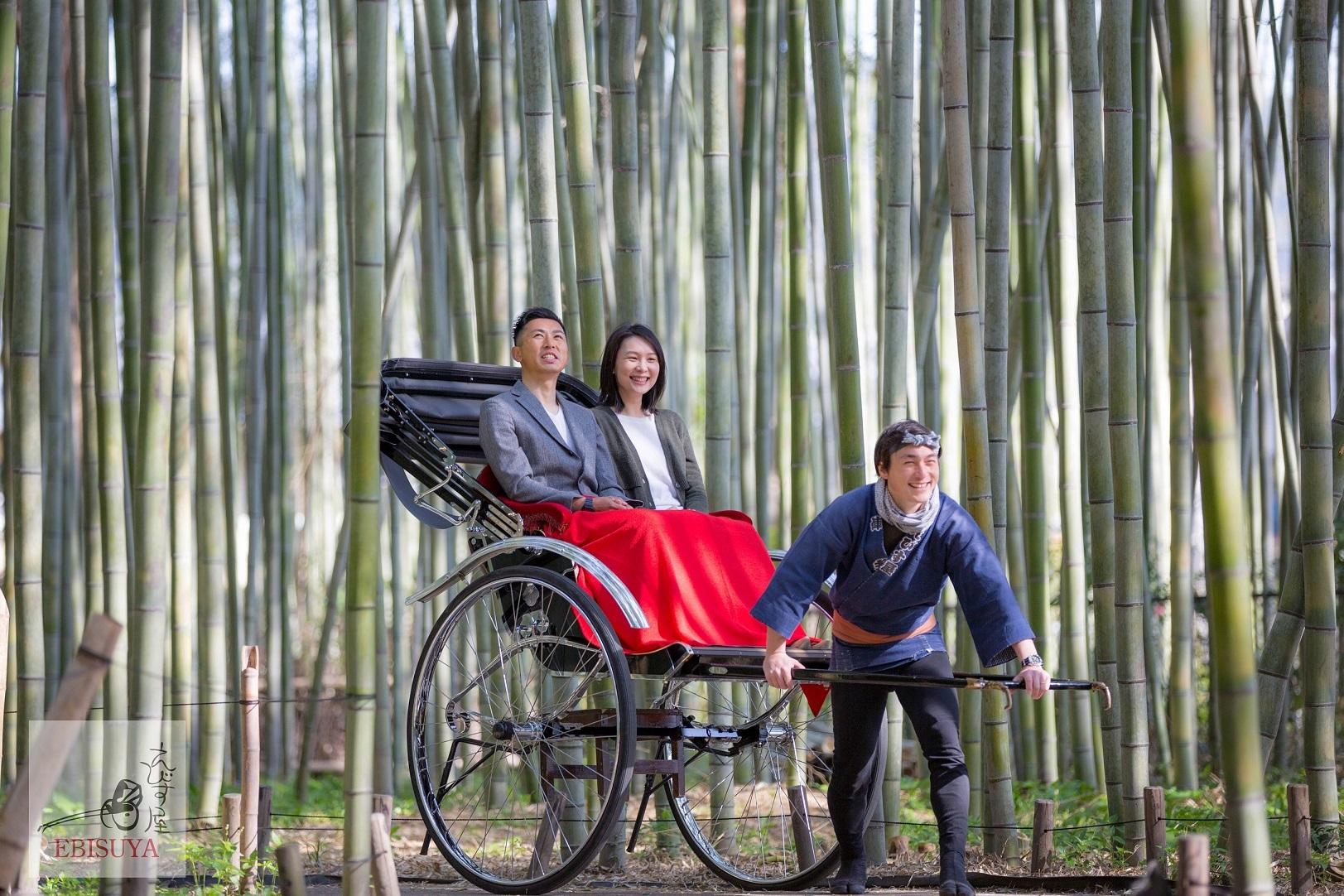
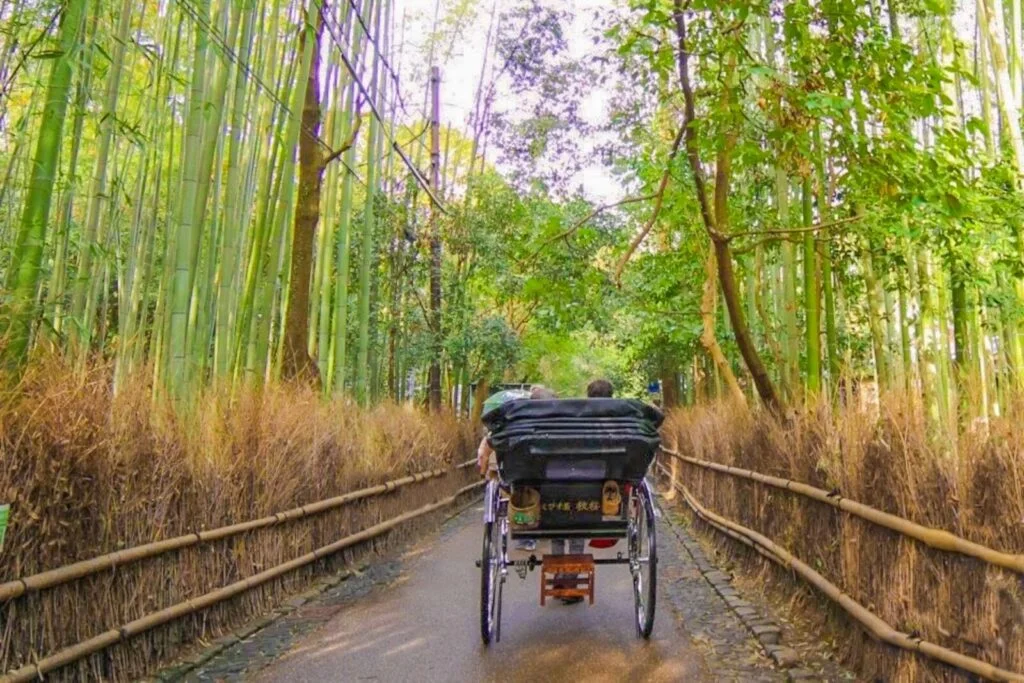
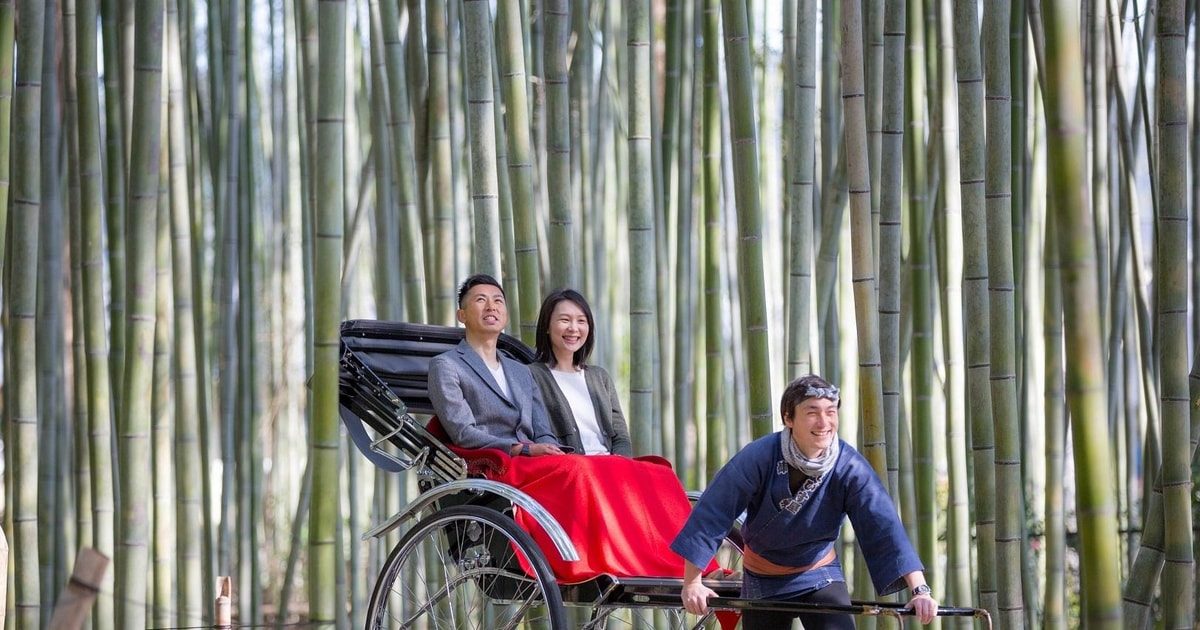
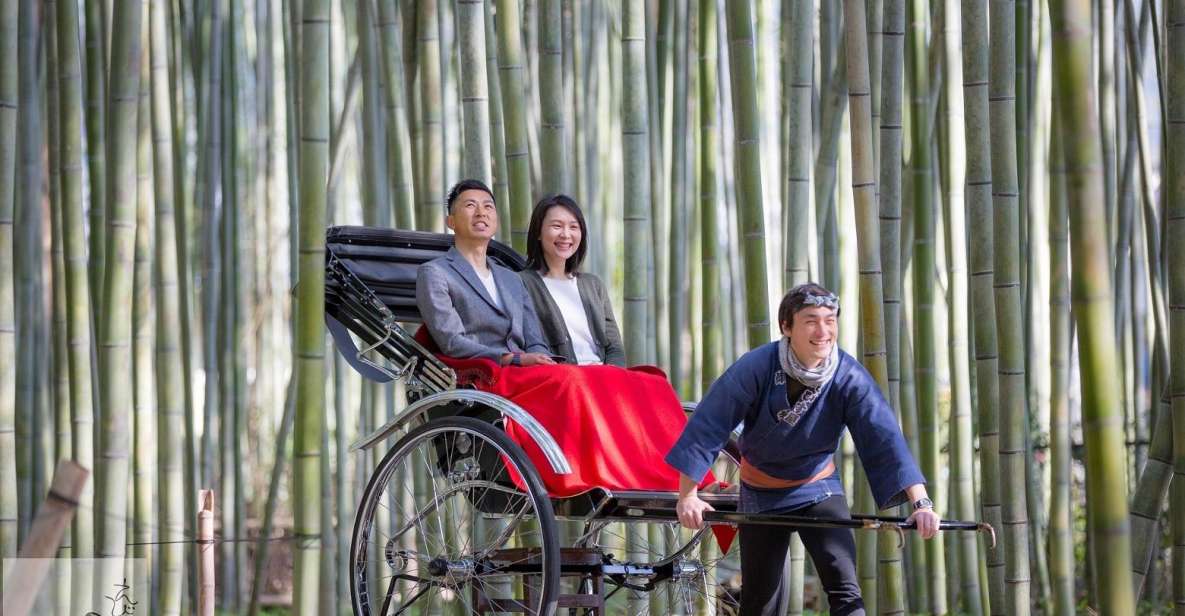
You meet your puller near the station approach. He crouches, tilts the shafts, and you step up into a seat set surprisingly high above the axle. A blanket goes across your knees even in August, because the grove holds cooler air than the streets. Then the wheels turn and the sound of the road changes — asphalt gives way to packed earth, and the creak of bamboo takes over.
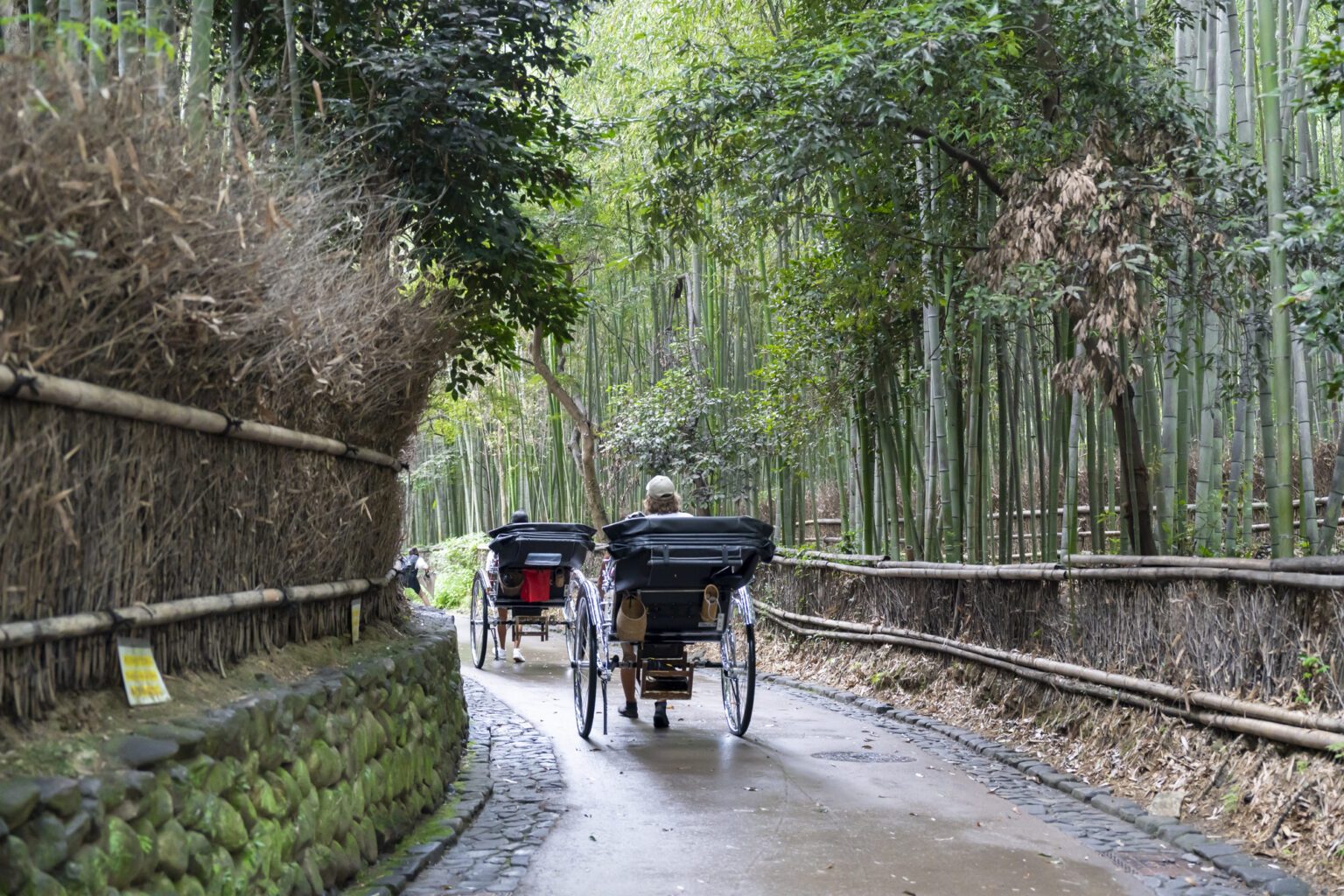
On an arashiyama bamboo forest rickshaw tour you stop where vehicles cannot follow: the hedge line at Nonomiya Shrine, the gated approach to Ōkōchi Sansō, a bend where the culms lean far enough to close overhead. Your puller turns and narrates, walking backward, pointing out which stems were cut this season.
You finish on foot. The Tenryū-ji garden gate is a short walk south, the Katsura riverbank a few minutes beyond that. If you booked the walking option, you continue toward the Monkey Park or the sake brewery; if you booked a full-day coach, the bus is already waiting.
All the details about your upcoming adventure in one place
The bamboo of Sagano is not a forest in any botanical sense. Each stem in the grove may belong to a single organism, a rhizome network spreading underground for decades, sending up culms that reach full height in a matter of months.
What visitors read as ancient woodland is, in structural terms, one plant behaving like many.
The grove sits in Ukyo Ward on the western edge of Kyoto, where the Hozu River leaves its gorge and becomes the Katsura. Sagano was aristocratic retreat country from the Heian period onward, a district of villas, temple gardens and moon-viewing pavilions rather than commerce. Tenryū-ji, founded in 1339 and now a UNESCO World Heritage listing, anchors the south end of the path; its Sōgen Pond garden by Musō Soseki survives largely as designed. That inheritance explains the geography an arashiyama bamboo forest rickshaw tour still traces today — the routes follow estate lanes, not tourist infrastructure.
What distinguishes the place acoustically matters as much as what distinguishes it visually. Wind moving through the culms produces a creak-and-rustle that Japan's Ministry of the Environment formally catalogued among its hundred soundscapes worth preserving. Bamboo is hollow and jointed; it knocks against itself. Stand still on the packed-earth path and the sound arrives in waves rather than continuously.
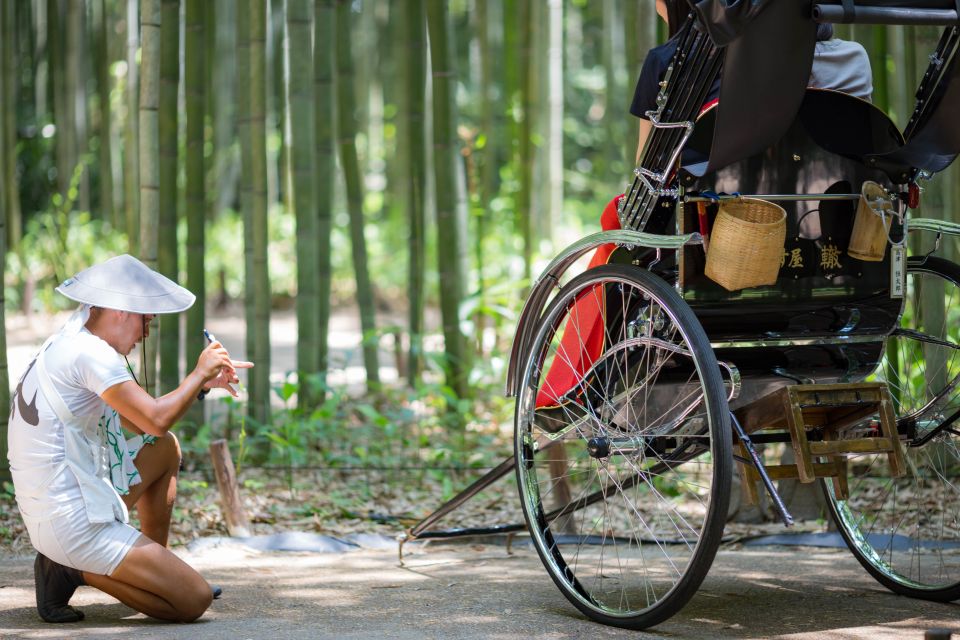
The jinrikisha — literally human-powered vehicle — is a Meiji-era invention, patented in Tokyo in 1870 and once the dominant urban transport of Japan before trams displaced it. Its survival in Arashiyama is deliberate rather than accidental. Pullers train for months, memorise the district's shrine histories, and hold access to narrow lanes near Ōkōchi Sansō and Nonomiya Shrine that coaches cannot enter. A rickshaw carriage rides high, which changes the sightline upward through the canopy in a way walking does not.
The bamboo paths themselves carry no gate and no charge: entrance is 0 JPY, free entry for the bamboo forest paths, and they remain open 00:00–23:59, seven days a week. Payment on this page buys guiding, transport and access to the surrounding temple circuit — not the grove. The available arashiyama bamboo forest rickshaw tour tickets range from a focused rickshaw run through the grove to a full-day coach itinerary linking Kyoto temples and shrines, or a wider bus route out to Nara and Fushimi Inari. Both the walking tour with its optional Monkey Park or sake brewery extension and the cultural discovery option treat the bamboo as one movement in a longer piece.

What visitors read as ancient woodland is, in structural terms, one plant behaving like many.
Wear comfortable walking shoes for your arashiyama bamboo forest rickshaw tour, as pathways consist of packed gravel. During summer, lightweight clothing is recommended due to high humidity in the Arashiyama valley.
There are no security checkpoints or bag inspections for the arashiyama bamboo forest rickshaw tour. Keep personal belongings secure while riding or walking.
Photography is permitted throughout the arashiyama bamboo forest rickshaw tour route. Respect the privacy of local residents and refrain from using tripods during peak daytime hours to avoid blocking paths.
The arashiyama bamboo forest rickshaw tour is family-friendly and popular for all ages. Ensure small children remain seated if opting for an arashiyama bamboo forest rickshaw tour vehicle.
The main paths for an arashiyama bamboo forest rickshaw tour are flat and accessible. Rickshaw operators in Arashiyama are experienced in navigating these routes with guests.
Carry water, especially during summer, as there are limited vendors inside the grove. Consumption of food while walking is discouraged during any arashiyama bamboo forest rickshaw tour.
Opening Hours
00:00–23:59 daily
Address
Sagaogurayama Tabuchiyamacho, Ukyo Ward, Kyoto, 616-8394, Japan
Accessibility
Flat paths suitable for walking and rickshaw tours
Best arrival window
06:00–08:00
Storage
No on-site luggage lockers; use station facilities
Navigation
Follow main walking paths from Nonomiya Shrine
Most independent operators for an Arashiyama bamboo forest rickshaw tour offer free cancellation up to 24 hours before the scheduled departure. Entrance to the forest paths themselves is 0 JPY, so no refund is required for site access.
Recommended time
2-3 hours
A typical arashiyama bamboo forest rickshaw tour offers an efficient way to navigate the winding paths and nearby Kyoto landmarks. You should allocate 2-3 hours to fully explore the area, as this duration includes ample time for your guide to maneuver through the narrow lanes. To ensure a peaceful visit, we recommend adhering to the best arrival window of 06:00–08:00, as the site becomes increasingly congested by mid-morning. Securing your arashiyama bamboo forest rickshaw tour tours in advance helps bypass logistical delays, while those seeking skip-the-line arashiyama bamboo forest rickshaw tour tickets may find it easier to coordinate schedules outside of peak midday heat. As you plan, keep in mind that the arashiyama bamboo forest rickshaw tour is subject to fluctuating visitor density, so arriving early is the most reliable strategy for a tranquil experience.
Crowd levels through the day
Arashiyama entered Japanese literature long before it entered guidebooks. In the Heian period, from 794 onward, court nobles rowed the Oi River beneath Mount Ogura and composed verse on its slopes. Fujiwara no Teika compiled the Ogura Hyakunin Isshu here in the early thirteenth century, reportedly at a villa on Ogurayama. Sagano's bamboo was working land as much as scenery. Groves supplied moso and madake culms for baskets, tea whisks, garden fences and construction scaffolding, and households harvested shoots each spring. The Tenryu-ji temple, founded in 1339 by the shogun Ashikaga Takauji to honour Emperor Go-Daigo, anchored the district; its Sogenchi garden survives as one of Japan's earliest designated Special Places of Scenic Beauty. Nonomiya Shrine, where imperial princesses purified themselves before service at Ise, stands at the grove's edge with its black-bark torii. The rickshaw arrived far later. The jinrikisha was devised in Tokyo around 1869 and licensed in 1870, spreading through Kyoto within the decade. By the 1890s tens of thousands worked the country's streets, only to be displaced by trams and taxis after the 1920s. The vehicle returned as heritage craft: Kyoto's modern pullers, or shafu, revived the trade in the 1990s, and today an arashiyama bamboo forest rickshaw tour follows lanes their predecessors once worked for wages rather than commentary. What survives is layered. The Sagano Romantic Train reopened the disused San'in freight line in 1991. In 1996 the Ministry of the Environment listed the grove's rustling culms among the hundred soundscapes of Japan. Storm damage and bamboo vandalism prompted restoration campaigns after 2017. Visitors booking arashiyama bamboo forest rickshaw tour tickets on Sagaogurayama Tabuchiyamacho enter a corridor that costs nothing to walk, since the paths remain free at 0 JPY, yet carry twelve centuries of Kyoto landmarks behind them. A guided rickshaw tour of Kyoto simply restores the older pace.
Heian court nobles begin retreating to Arashiyama for boating and poetry on the Oi River.
Fujiwara no Teika's Ogura Hyakunin Isshu is associated with a villa on Mount Ogura above Sagano.
Ashikaga Takauji founds Tenryu-ji, whose Sogenchi garden borders the bamboo grove.
Sagano households harvest madake and moso culms commercially for baskets, fences and tea whisks.
Japan licenses the newly invented jinrikisha, and rickshaw pulling spreads to Kyoto's streets.
Trams, buses and taxis push the rickshaw out of everyday Kyoto transport.
The Sagano Romantic Train reopens the disused San'in line, drawing new visitors to the district.
The Environment Agency names the grove's rustling bamboo one of the 100 Soundscapes of Japan.
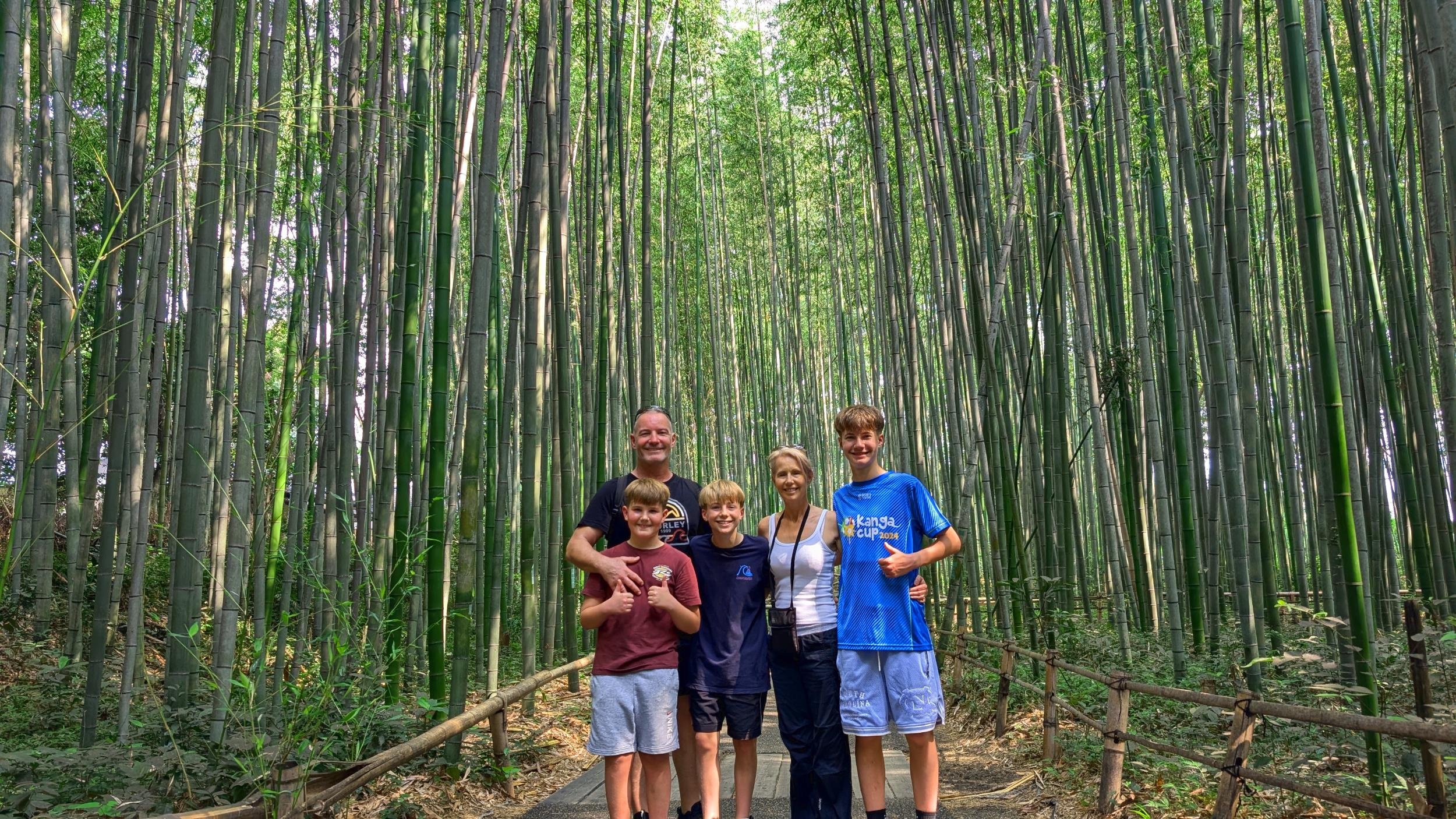
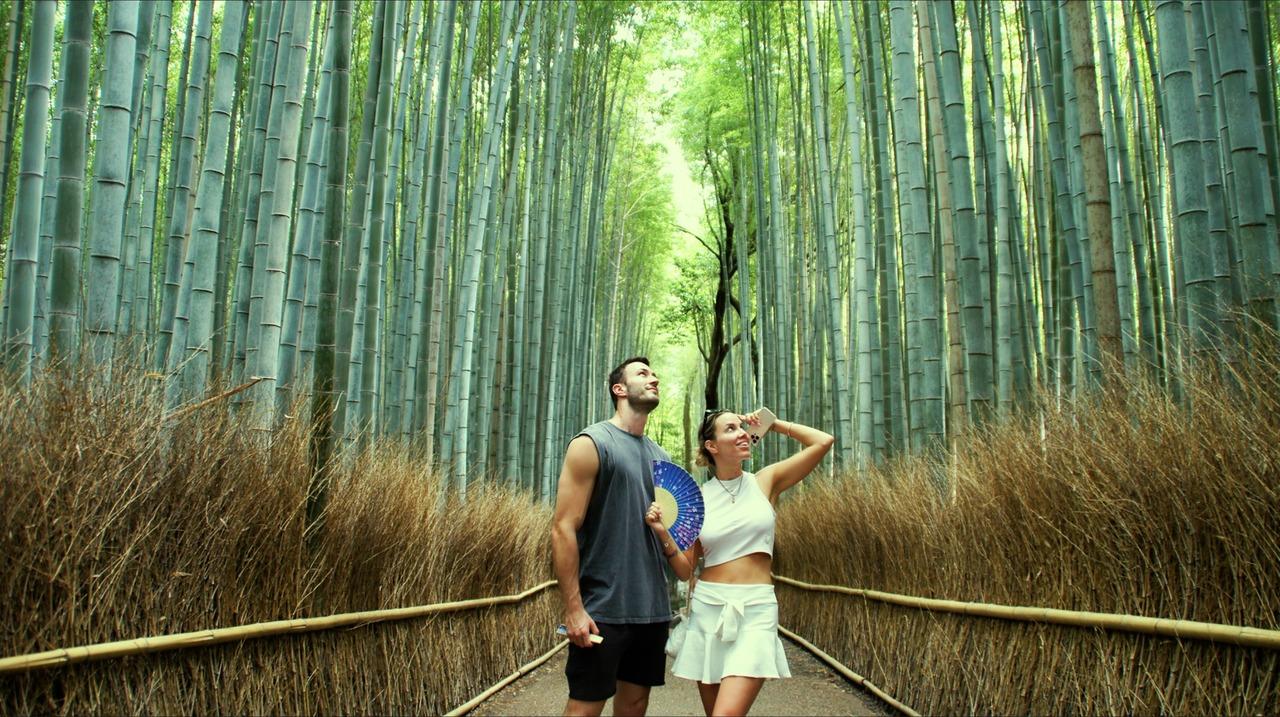
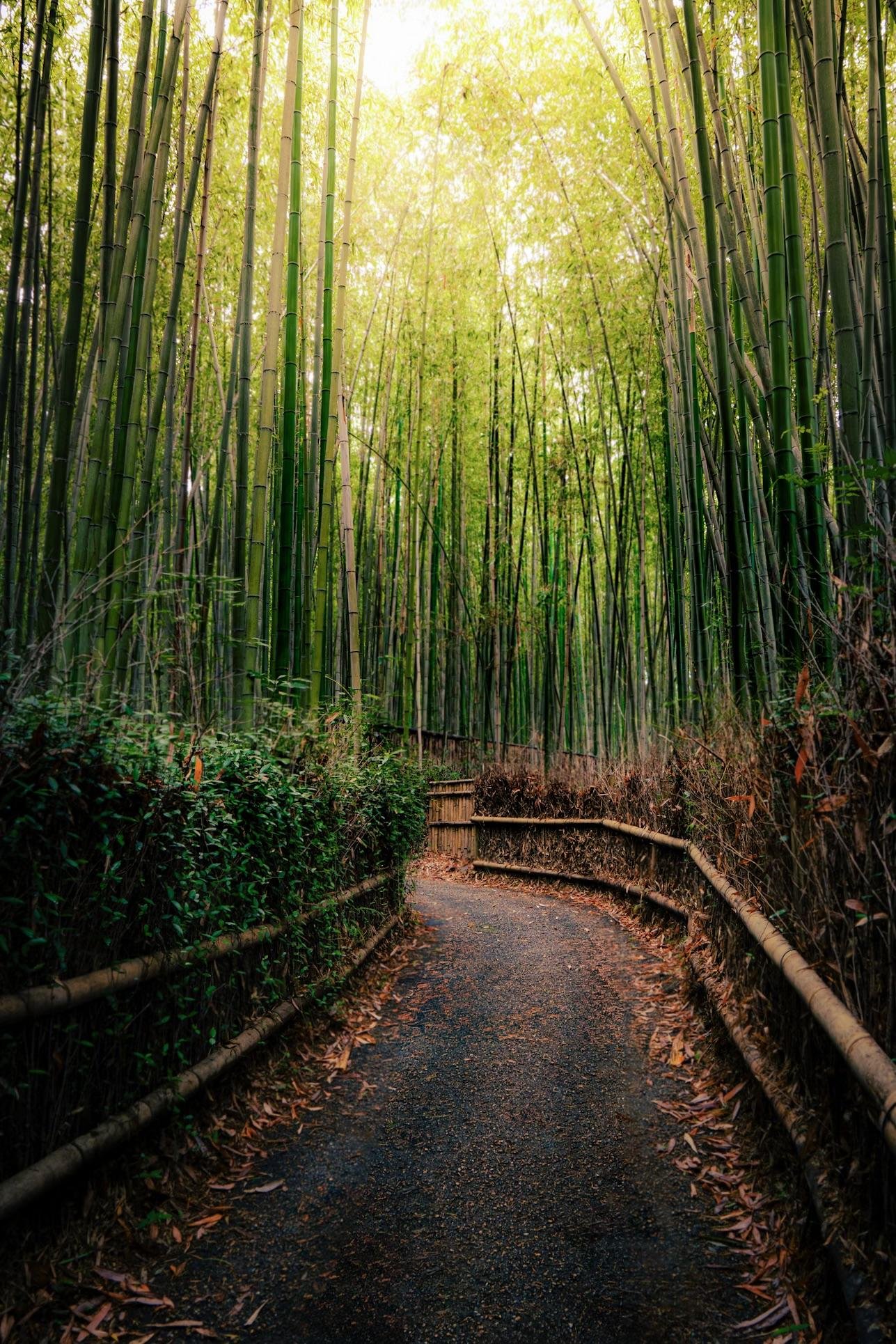
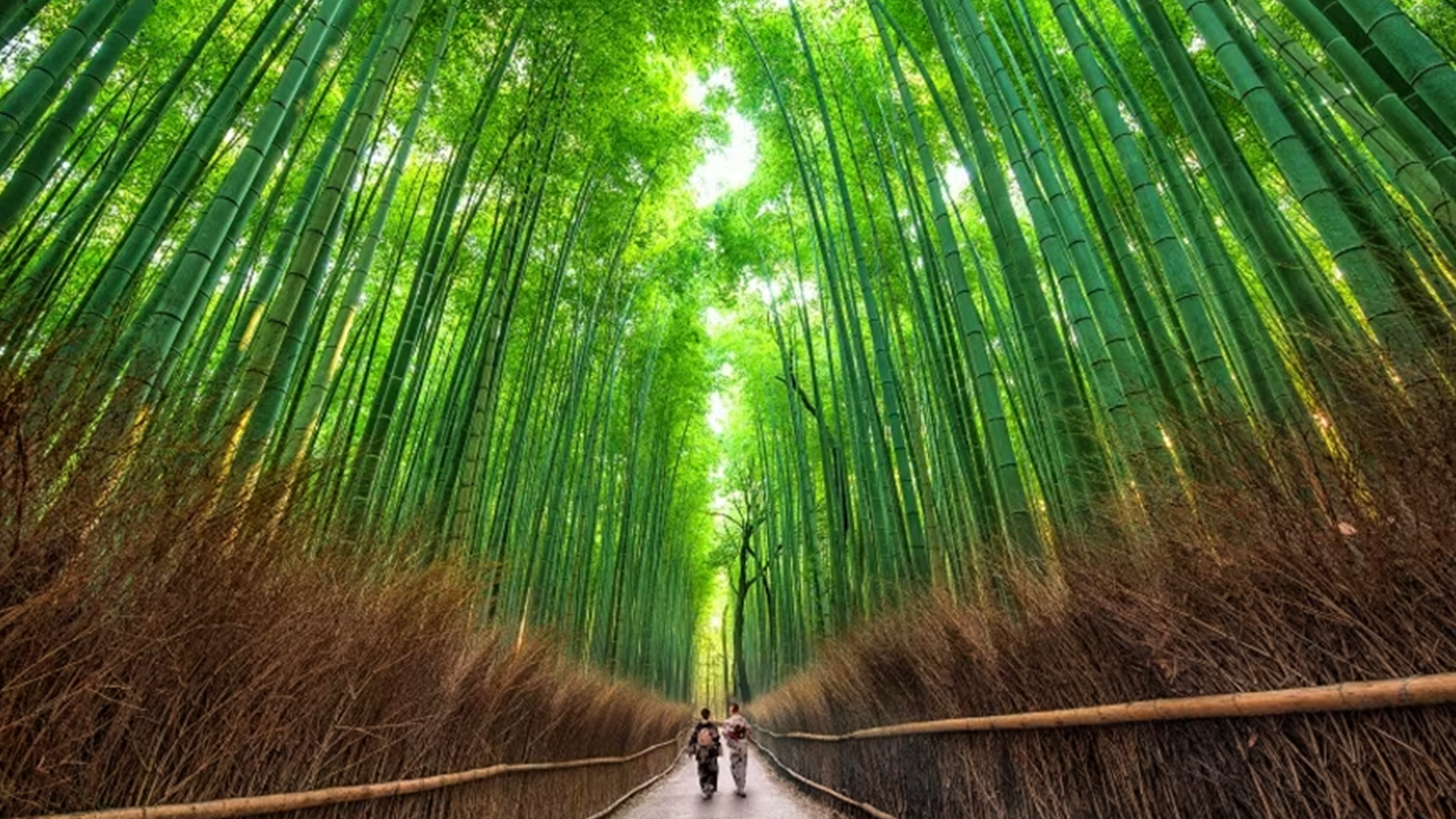
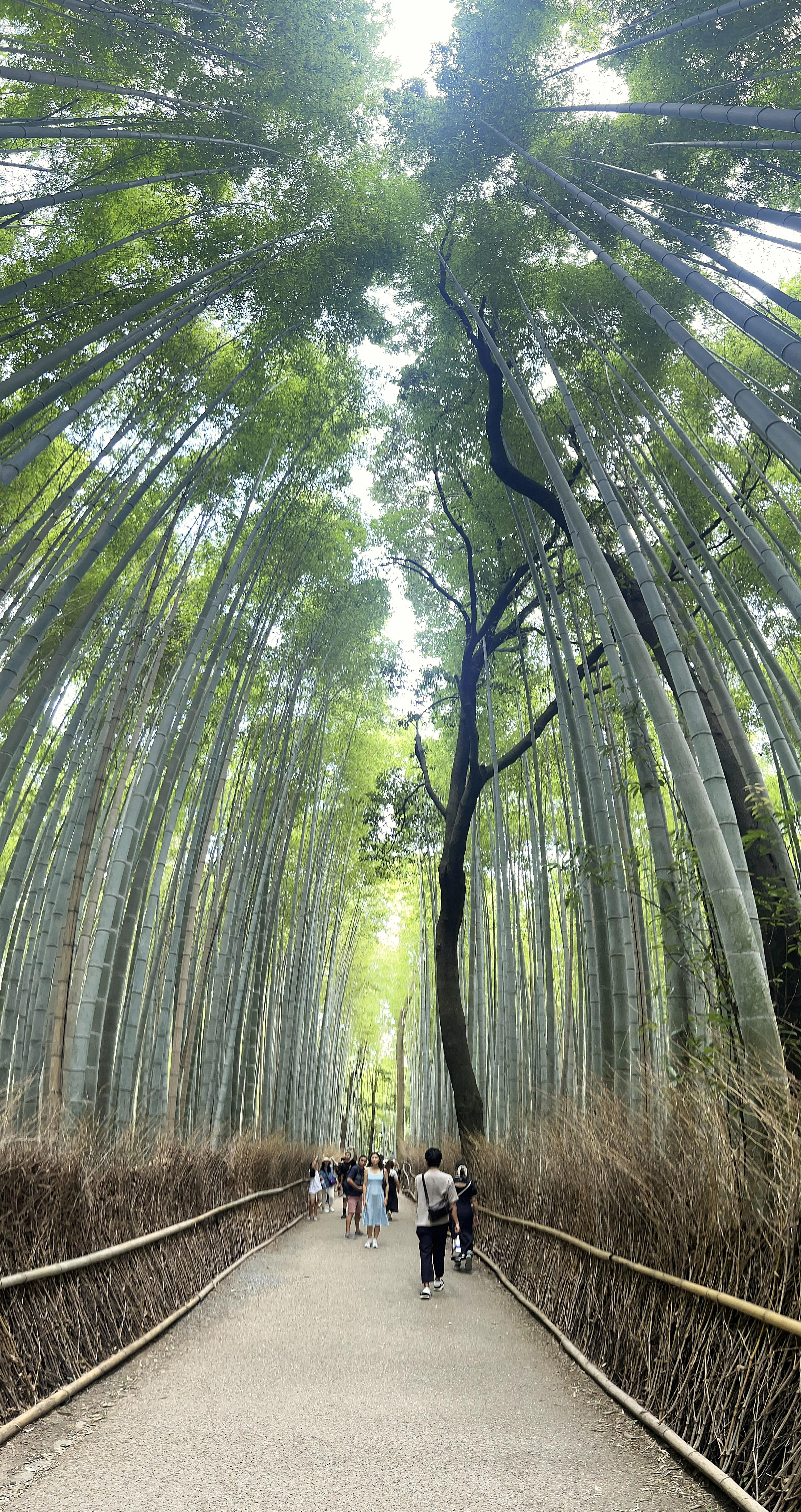
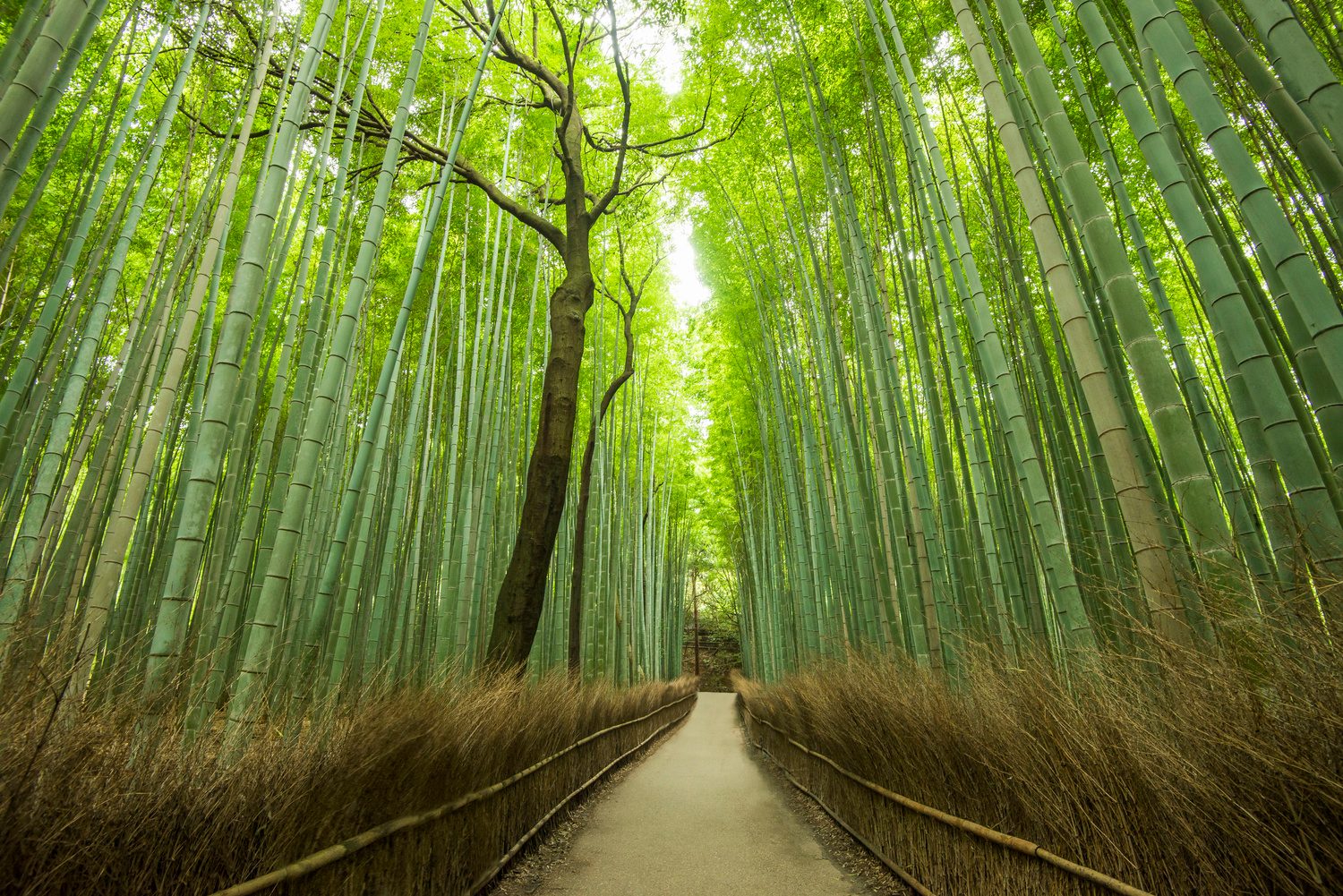
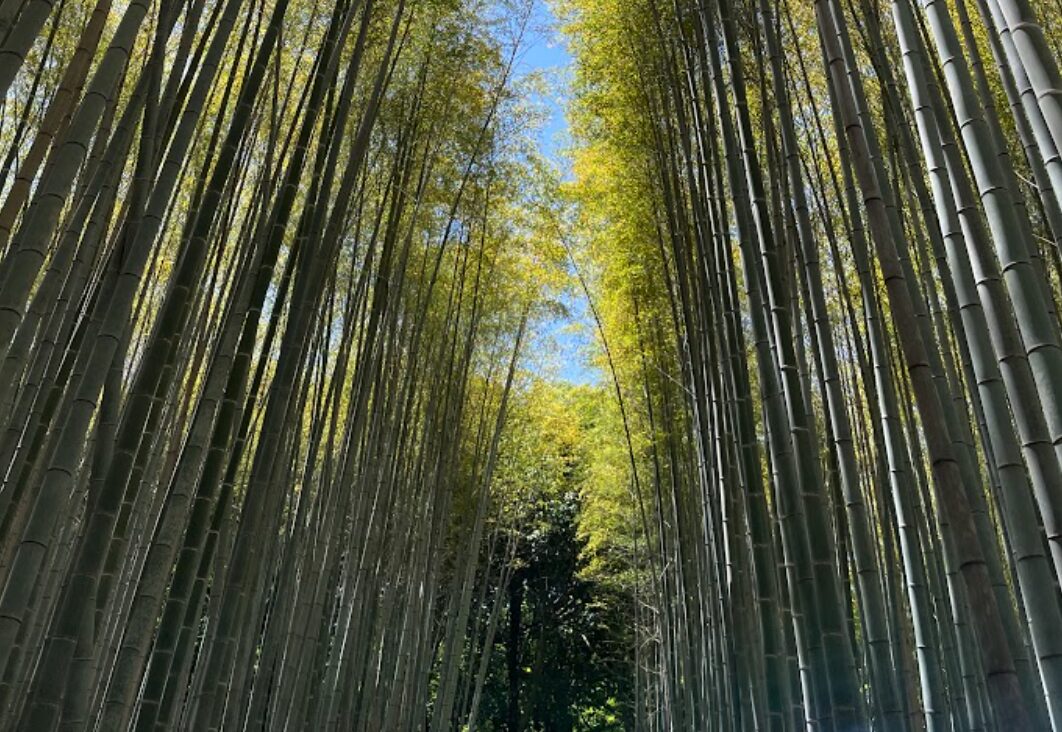
Position yourself at the center of the walkway to capture the towering green stalks stretching toward the sky. This is where your arashiyama bamboo forest rickshaw tour guide will often pause to allow for a clear shot of the path ahead.
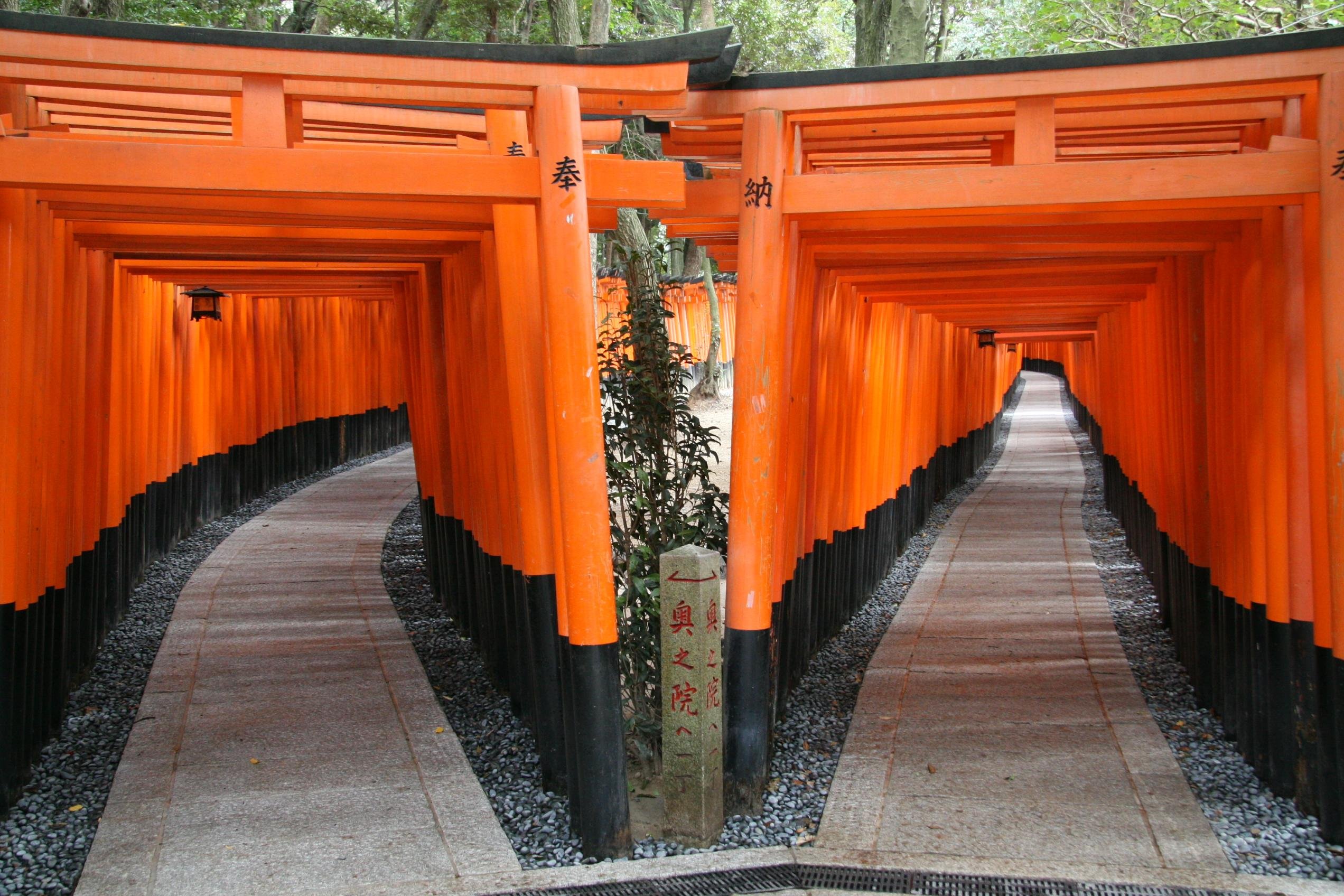
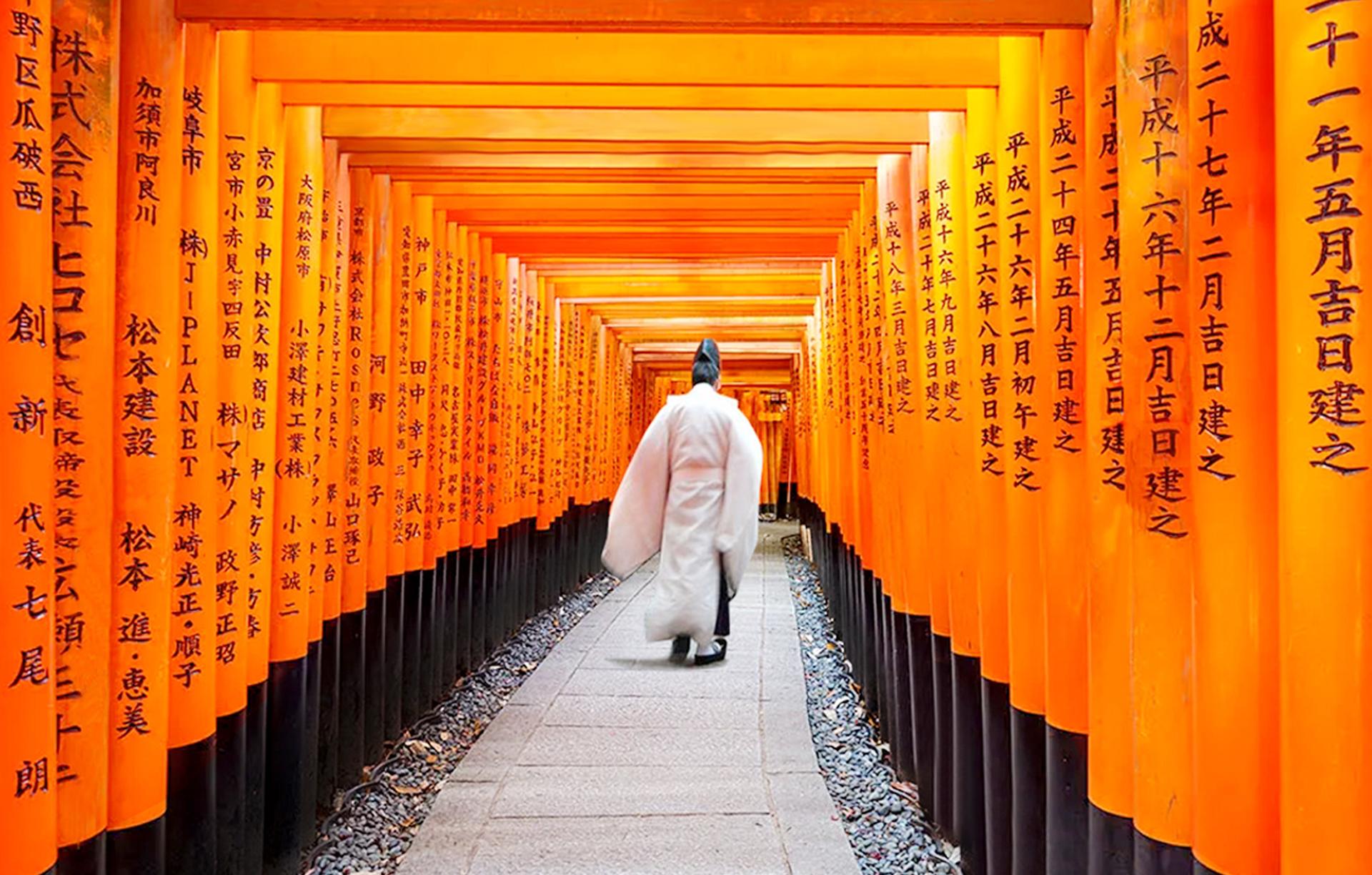
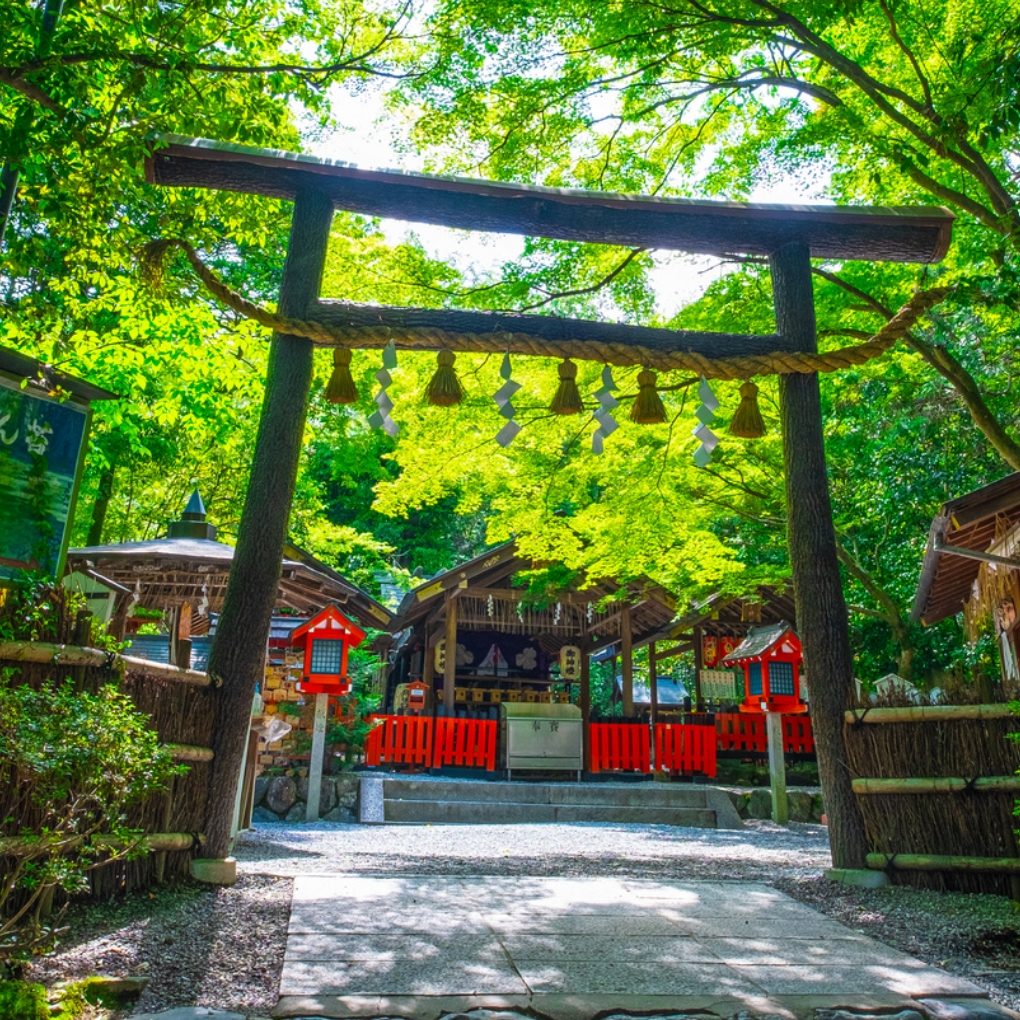
Frame the rustic wooden torii gate against the dense backdrop of stalks for a classic Kyoto aesthetic. This spot offers a sense of scale as visitors pass through the entrance of this Kyoto landmark.
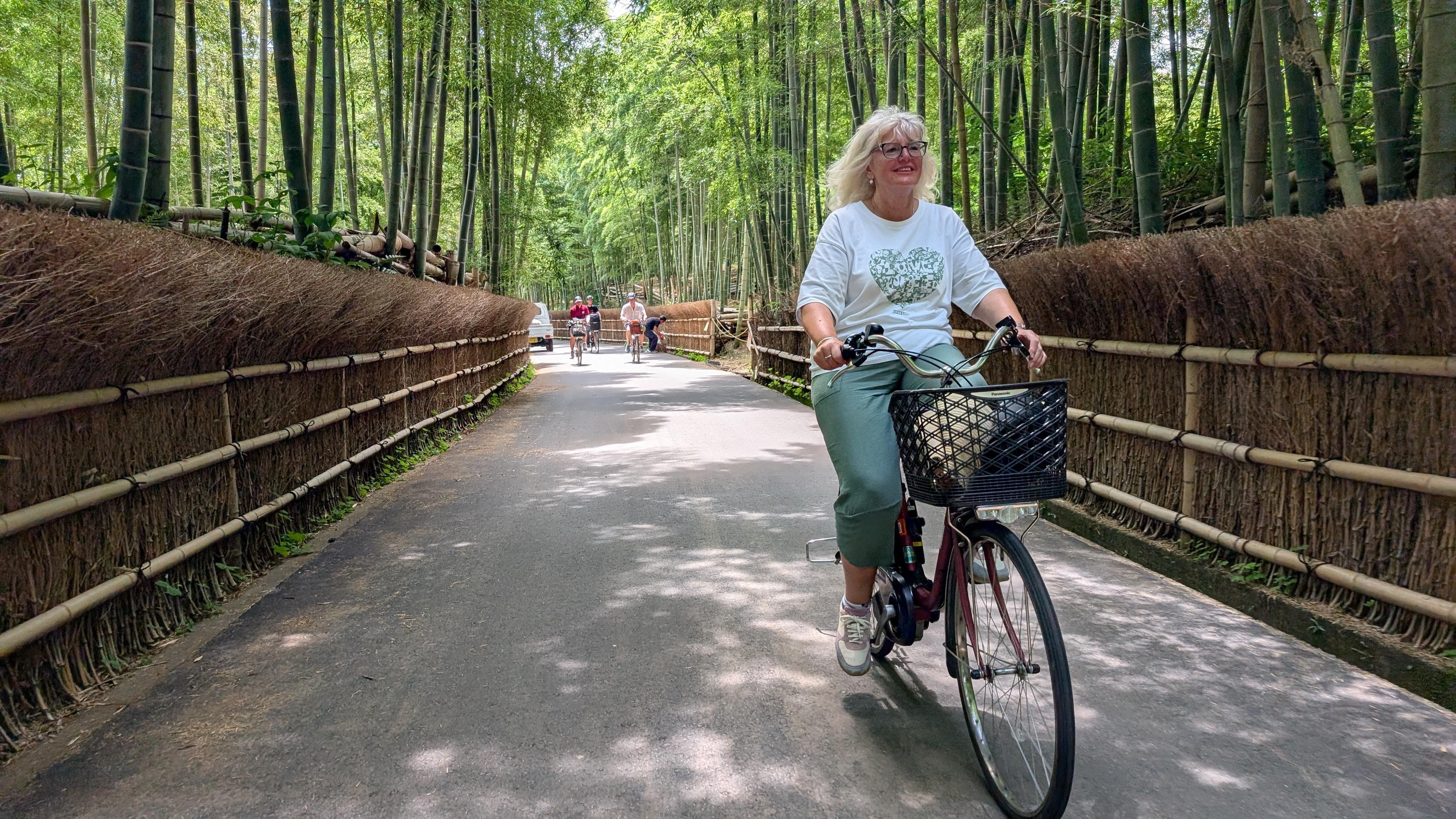
This passage provides a structured, rhythmic composition of bamboo fencing and light filtering through the canopy. It is a preferred stop for those looking for a skip-the-line attraction perspective of the managed groves.
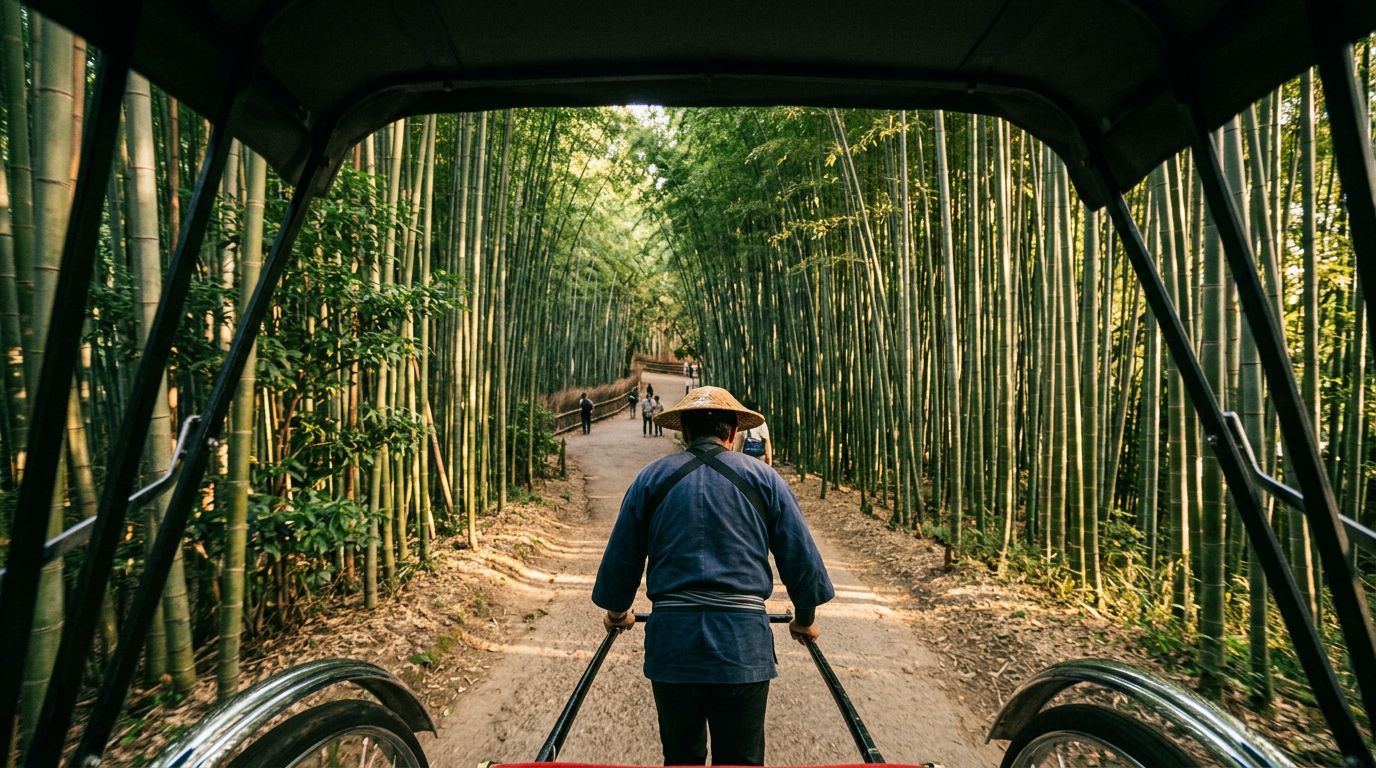
Capture the perspective from the passenger seat as the puller navigates the curves of the grove. These arashiyama bamboo forest rickshaw tour tours offer a unique eye-level vantage point of the swaying culms.
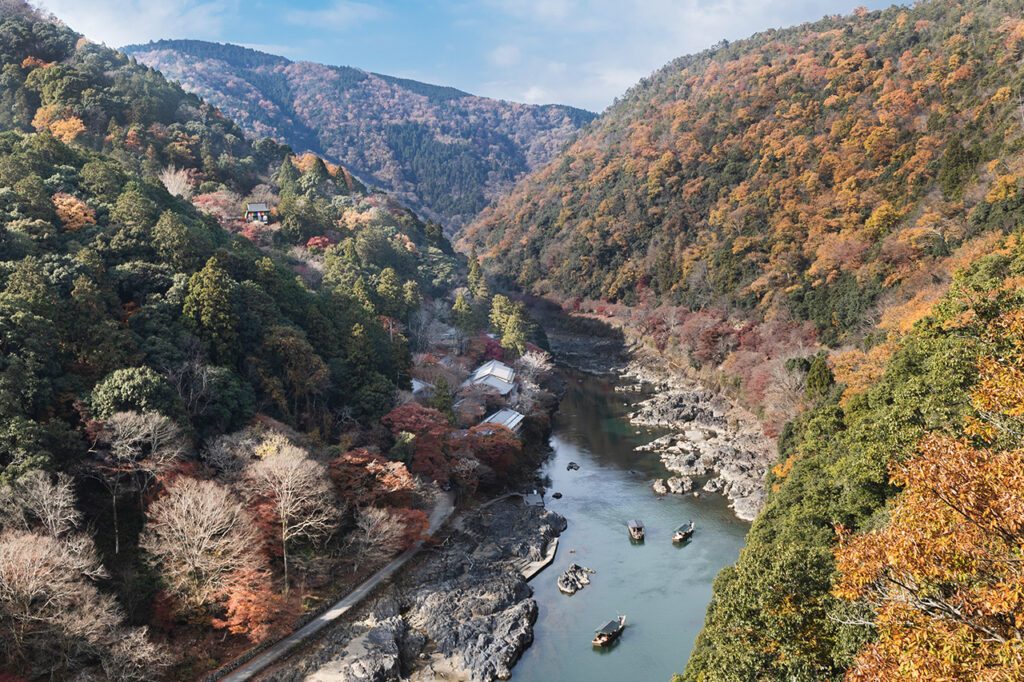
Look down upon the canopy from this elevated position to appreciate the dense coverage of the foliage. Many travelers booking arashiyama bamboo forest rickshaw tour tickets appreciate the panoramic green expanse visible from this trail.
Planning an arashiyama bamboo forest rickshaw tour requires careful consideration of the narrow, often crowded pathways. Navigating this Kyoto landmark with young children is manageable when you prioritize comfort and early start times.
The paved main paths are generally accessible for strollers, though the area gets very crowded, making a lightweight carrier a better choice for an arashiyama bamboo forest rickshaw tour tours experience.
This activity is suitable for children of all ages, as the gentle motion of the transport provides a relaxing way to view the scenery without excessive walking.
Public restrooms with baby-change tables are located near the park entrance, but private facilities are limited along the forest paths, so plan accordingly before boarding your arashiyama bamboo forest rickshaw tour tour.
The best arrival window is 06:00–08:00 to ensure your family avoids the peak daytime surge, allowing for a quieter pace during your arashiyama bamboo forest rickshaw tour tickets usage.
The address is Sagaogurayama Tabuchiyamacho, Ukyo Ward, Kyoto, 616-8394, Japan, and entry to the forest paths themselves is 0 JPY.
The site remains open daily from 00:00–08:00 and beyond, though contacting +81758610012 helps confirm specific operator schedules.
Finding a meal near your arashiyama bamboo forest rickshaw tour is simple, as the surrounding streets offer everything from quick snacks to traditional tea houses. While you might consider booking arashiyama bamboo forest rickshaw tour tours to maximize your morning, these venues remain perfect spots to rest after exploring the Kyoto landmarks.
Specializing in hand-made buckwheat noodles, this venue provides a serene view of the Katsura River. It is a popular choice for visitors seeking an authentic meal after securing their arashiyama bamboo forest rickshaw tour tickets.
Everything you need to know for your journey
The Arashiyama bamboo forest is open 24 hours, though most rickshaw operators function during standard daylight hours.
No, there is no entrance fee (0 JPY) for the forest, and your arashiyama bamboo forest rickshaw tour fee covers the service only.
The best arrival window is 06:00–08:00 to avoid peak crowds and ensure a tranquil experience.
Yes, items like drones and tripods are generally prohibited during an arashiyama bamboo forest rickshaw tour to maintain path safety.
You can reserve arashiyama bamboo forest rickshaw tour tickets through local operators to secure your preferred morning slot.
Yes, the arashiyama bamboo forest rickshaw tour is an excellent way for families to explore the area without extensive walking.
The location for your arashiyama bamboo forest rickshaw tour is Sagaogurayama Tabuchiyamacho, Ukyo Ward, Kyoto, 616-8394, Japan.
Yes, photography is highly encouraged during your arashiyama bamboo forest rickshaw tour, provided you stay within designated paths.
You can easily combine your arashiyama bamboo forest rickshaw tour with visits to the nearby Tenryu-ji Temple or Nonomiya Shrine.
Join thousands of happy travelers who have discovered this incredible experience
Book Your Experience Now