3 hr 45 min
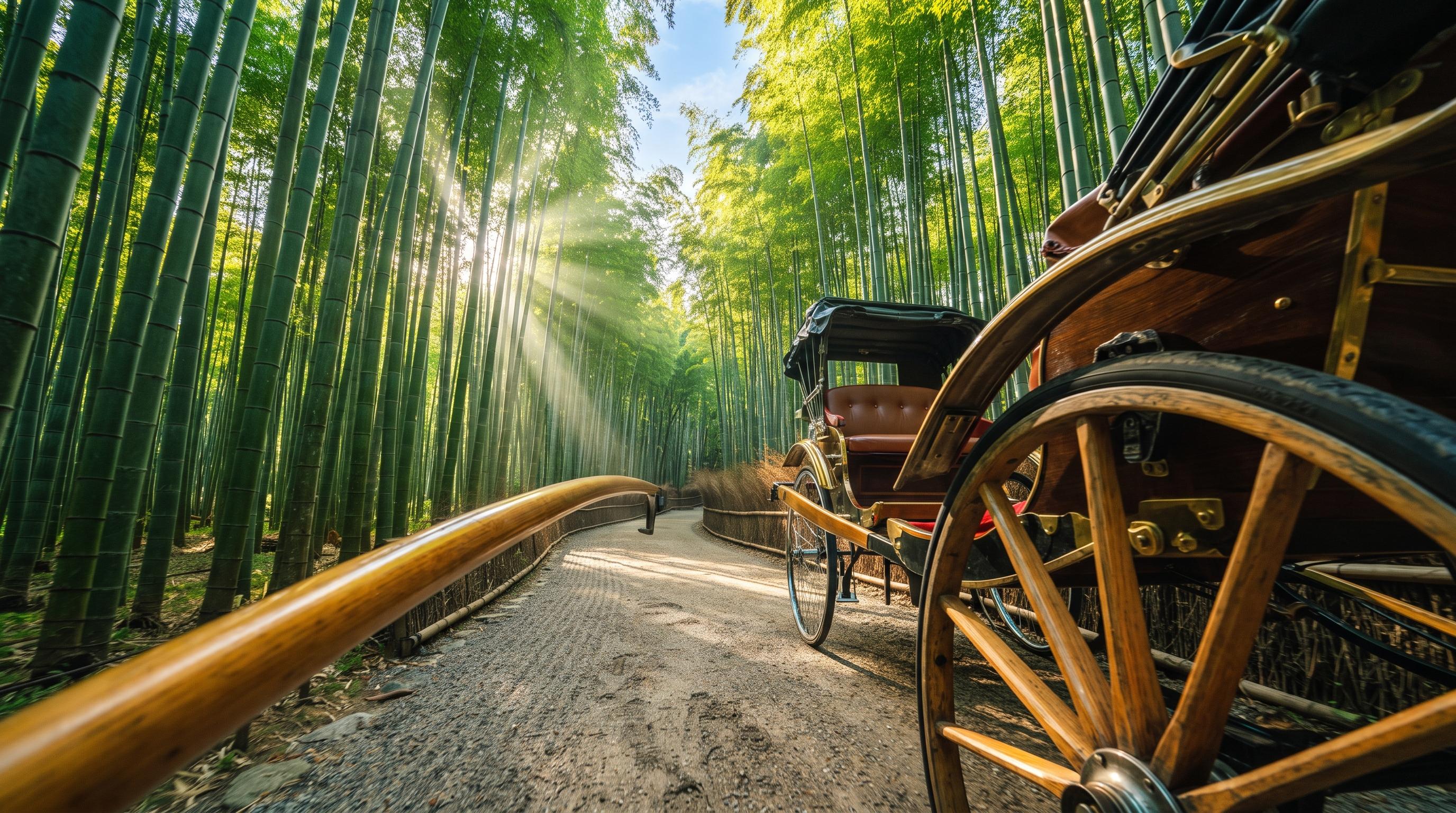
Arashiyama Rickshaw Adventure with Bamboo Grove
- Entry ticket
- Mobile voucher
- Valid same day
- Free cancellation
Arashiyama Rickshaw Tour Price — Routes, Rates & Reserved Departures
Two wheels through green corridors, one runner setting the pace.
Compare fares, pick the fit — all bookings are mobile-voucher and eligible for free cancellation where shown.
3 hr 45 min
10 hr
4 hr
Choosing the right arashiyama rickshaw tour price depends on your preferred duration and the specific landmarks you wish to explore within this historic Kyoto district. These private jinrikisha excursions offer a unique perspective on the bamboo forest and surrounding temples through flexible, personalized route options.
| Short Course 30-Minute Intro |
Top pick Standard Course 45-Minute Scenic |
Extended Course 70-Minute Deep Dive | |
|---|---|---|---|
| Duration | 30 minutes | 45 minutes | 70 minutes |
| Route Scope | Bamboo Grove focused | Bamboo Grove and Sagano | Comprehensive Arashiyama and temples |
| Access Method | Private rickshaw | Private rickshaw | Private rickshaw |
| Starting Price | 4,000 JPY | Variable | Variable |
| Best for | First-time visitors | Cultural exploration | Comprehensive sightseeing |
| See tickets & prices |
Verdict: For the best balance of time and scenery, most visitors find the 45-minute arashiyama rickshaw tour price option provides the ideal duration for their tickets.
Worth it for mobility-limited and first-time visitors
The arashiyama rickshaw tour price starts at 4,000 JPY, and what that buys is not distance — it is a trained ebisuya puller who doubles as a private guide and takes you down the closed-to-traffic lanes behind the Bamboo Grove that walkers cannot reach. Compared with a self-guided walk to Tenryu-ji and the Togetsukyo Bridge, which costs nothing, you are paying for commentary, shade, a seat, and access. That trade pays off for older travellers, families with tired children, couples wanting a private ride through the sagano grove, and anyone who wants photographs taken for them rather than queued for. Fit solo walkers on a tight budget will get most of the same UNESCO scenery on foot. Longer routes cost more than the entry figure, so confirm the rate before you climb in. Among arashiyama rickshaw tour price tours on this page, the Rickshaw Adventure with Bamboo Grove is the direct comparison.
Bottom line: If access, comfort or commentary matter to you, the arashiyama rickshaw tour price earns its keep; if you are fit, unhurried and counting yen, walk it and spend the money on lunch.
They complement each other; most visitors who do both call the rickshaw the more comfortable way to explore the area, while walking allows for deeper, unhurried immersion in the Bamboo Grove at your own pace.
|
Top pick Rickshaw Tour |
Walking Tour | |
|---|---|---|
| Primary transport | Human-pulled cart | On foot |
| Typical duration | 30–120 minutes (summer) | Flexible/Self-paced |
| Crowd access | Access to restricted paths | Public paths only |
| Comfort | Seated with padding | Standing/Walking |
| Photography | Guide assistance included | Self-managed |
| Booking | Required/Walk-up available | None required |
| See tickets & prices |
Verdict: The rickshaw experience provides a unique, elevated perspective and access to restricted paths, making it a compelling choice for those seeking comfort and local insights, whereas walking remains the preferred option for maximum freedom and zero cost.
Hand-picked experiences loved by thousands of travelers
4.5 - 5 hours
Free Cancellation
Journey through Kyoto's scenic countryside aboard the Sagano Train, glide down the Hozugawa River, and relax in natural hot springs
1.5 hours
Free Cancellation
Explore Kyoto's legendary bamboo forest and visit a 700-year-old Zen temple with stunning garden views
7 hours
Free Cancellation
Glide through bamboo forests by rickshaw, then master the art of whisking your own matcha tea
2 hours
Free Cancellation
Beat the crowds with a sunrise walk through bamboo forests, historic shrines, and UNESCO gardens
3 hours
Free Cancellation
Discover Kyoto's famous bamboo grove and vibrant fall foliage on a guided walk through scenic trails and historic sites
3 hours
Free Cancellation
Explore Kyoto's most beloved sights including bamboo groves, historic bridges, and a golden temple
4 hours
Free Cancellation
Journey from Osaka to Kyoto's scenic district for traditional dress, Zen gardens, and bamboo groves
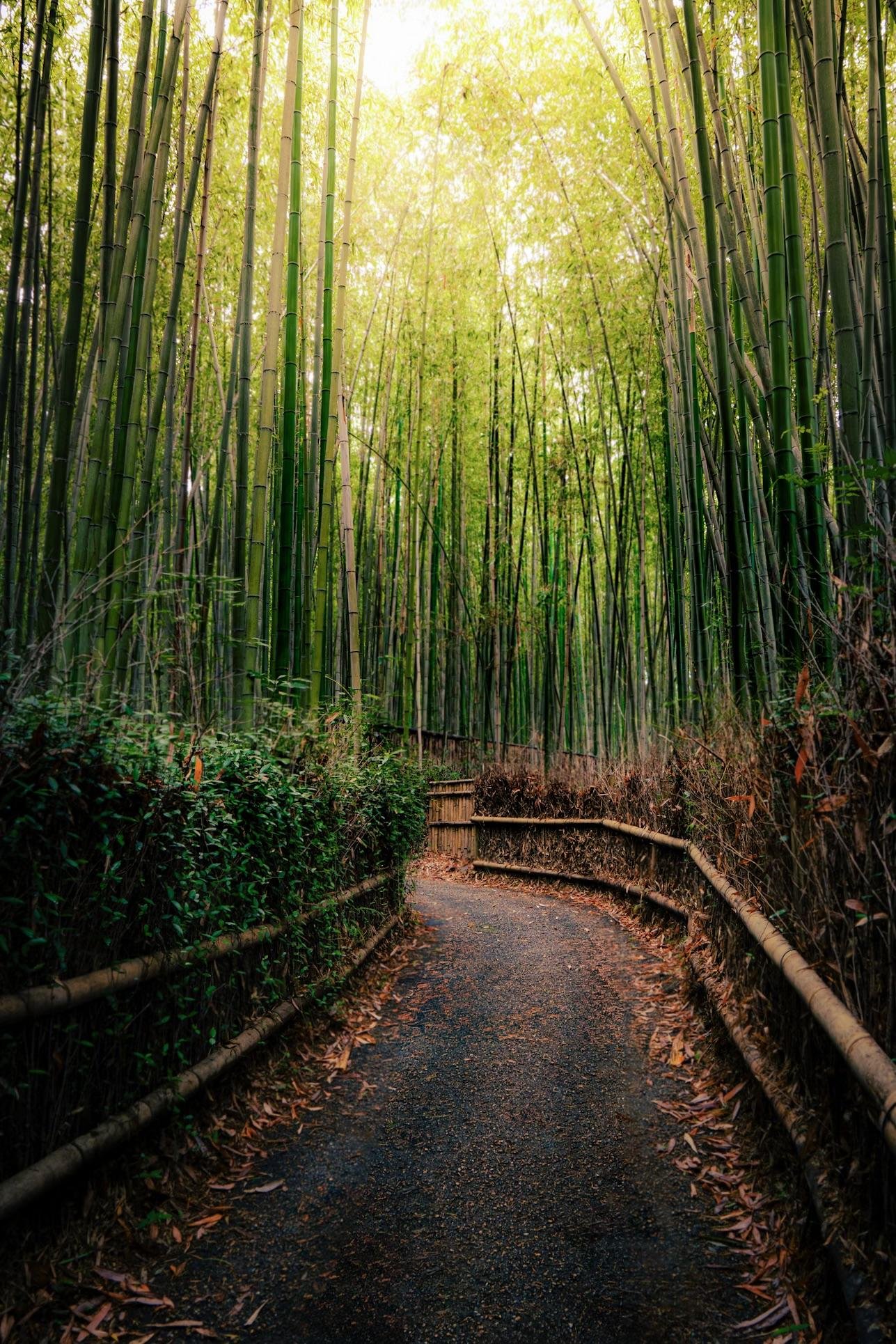
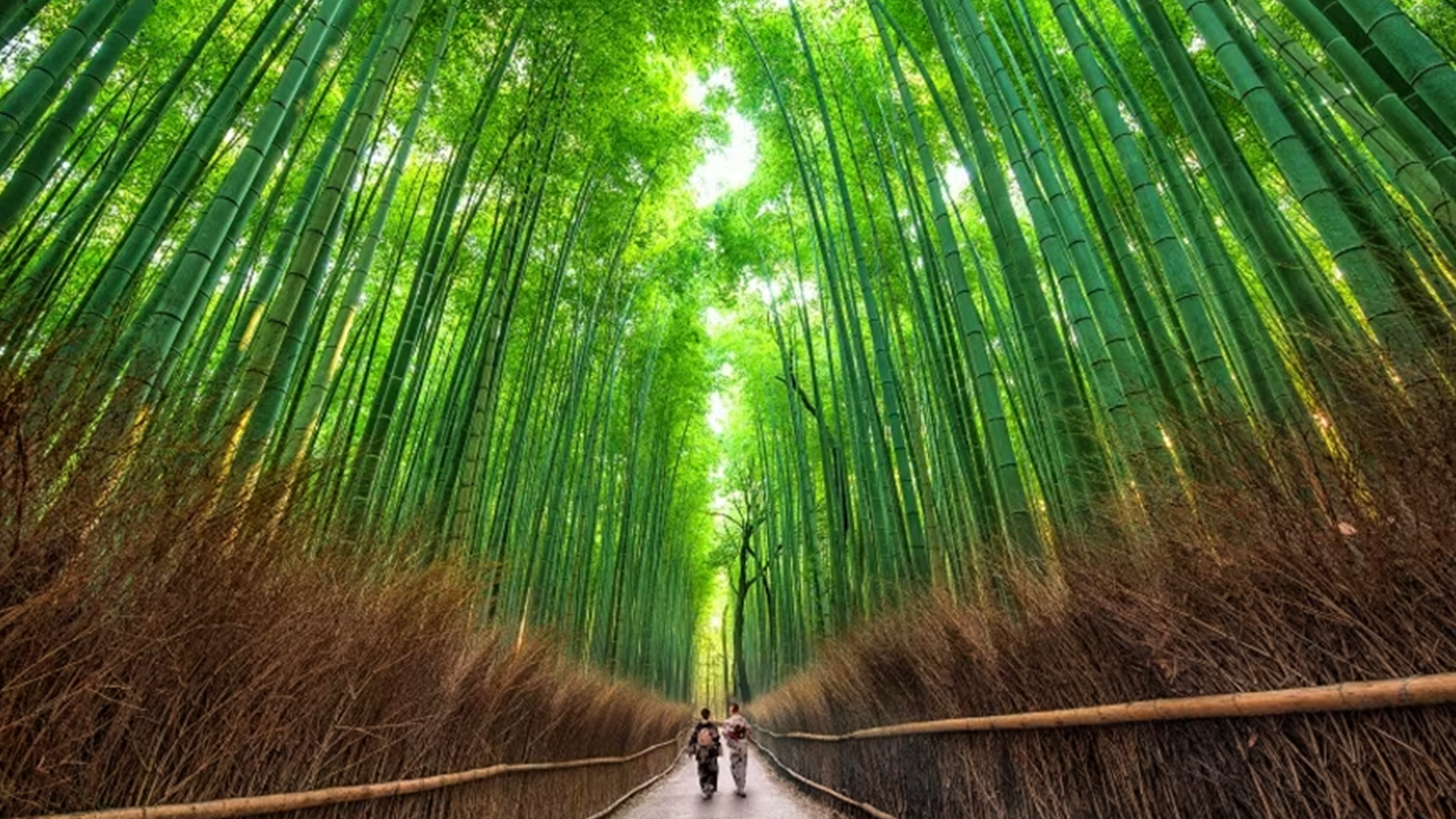
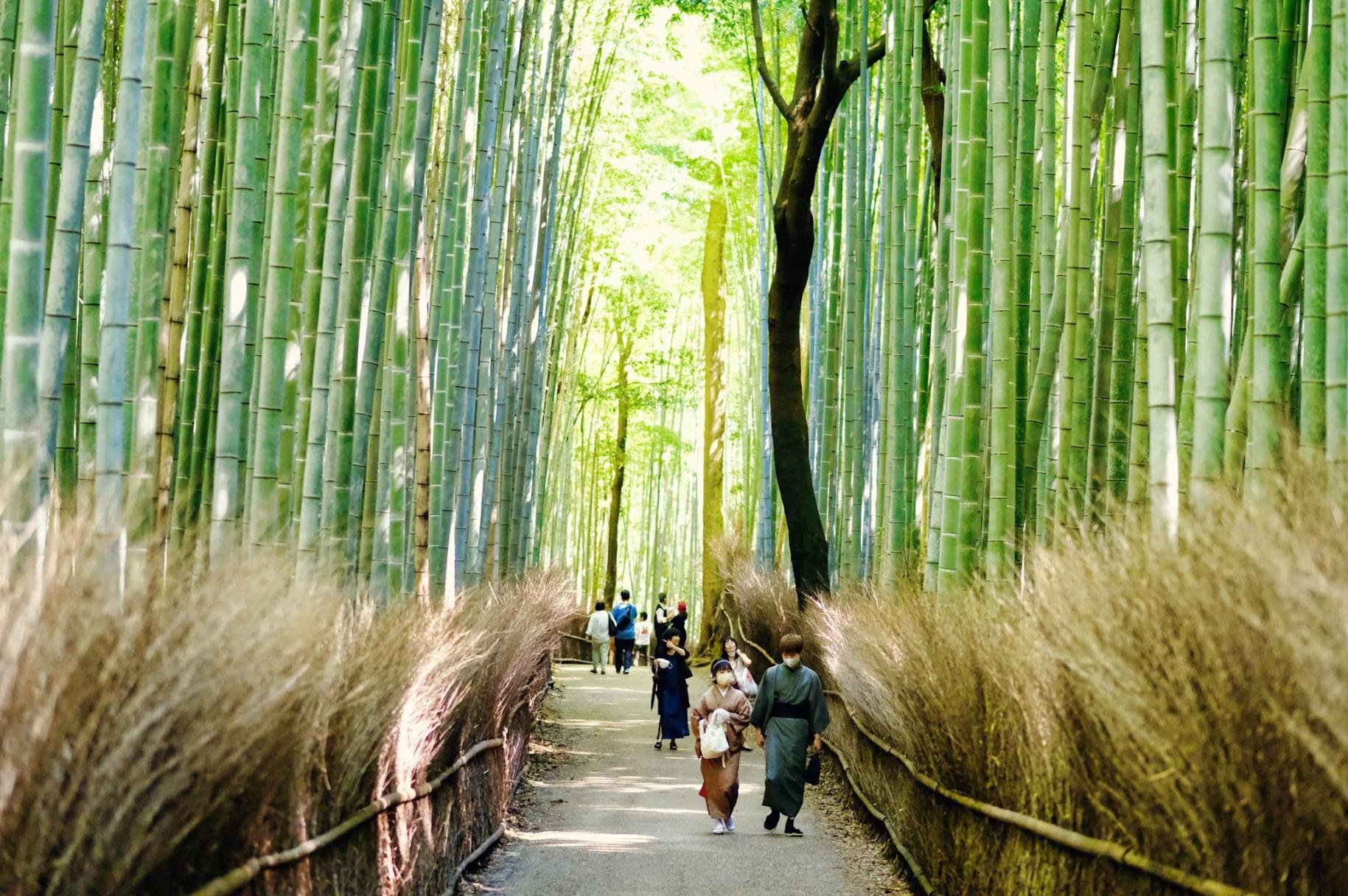
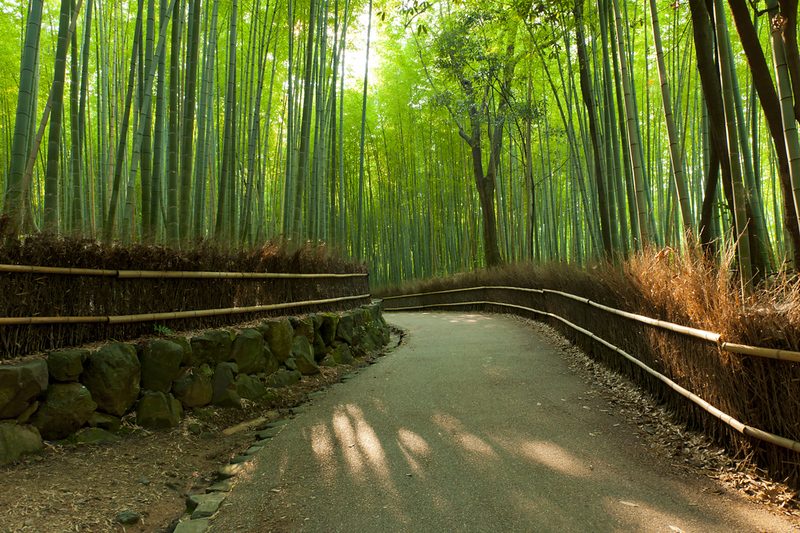
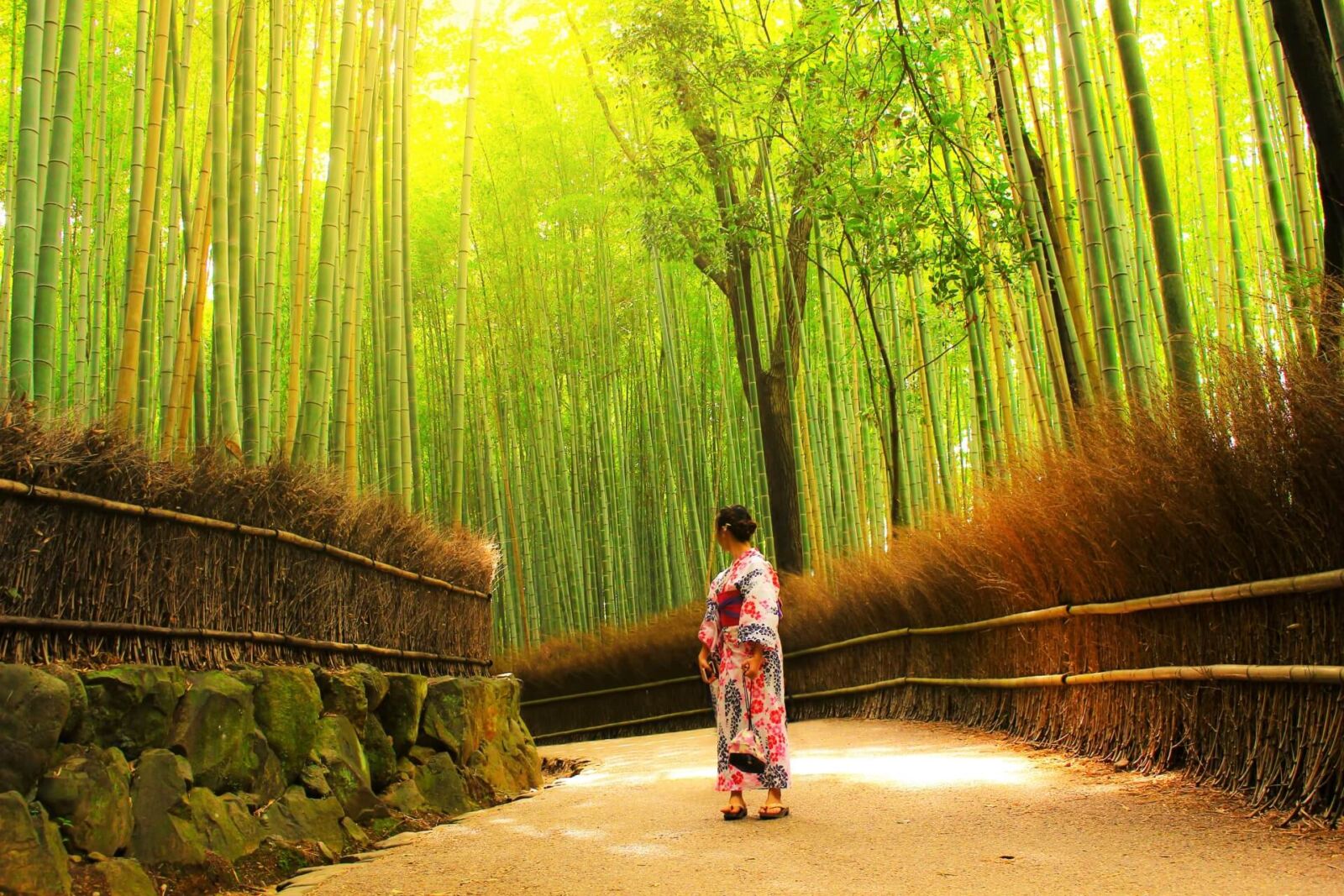
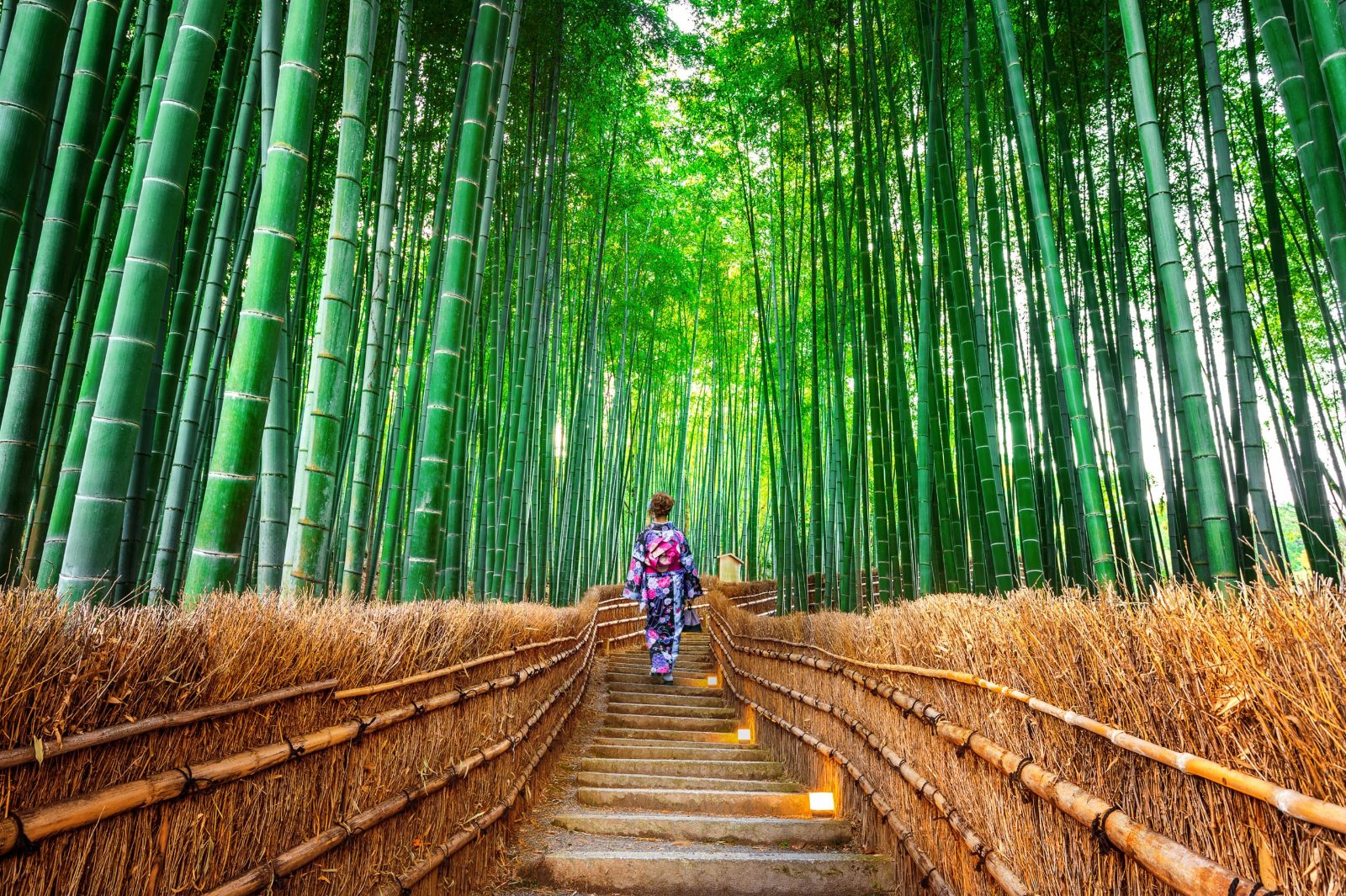
Experience the towering green stalks from a unique vantage point. The path stretches for several hundred meters through the forest.
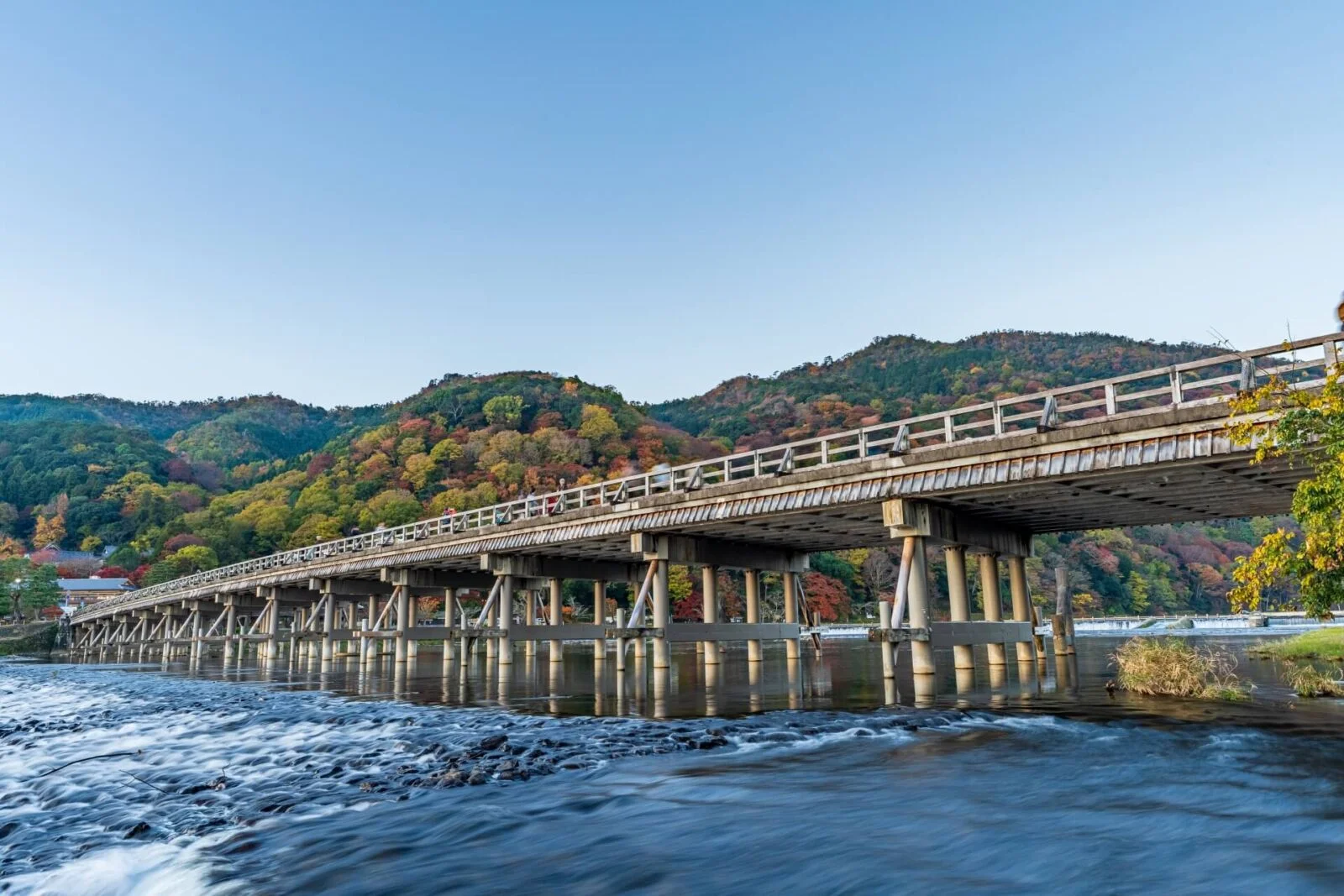
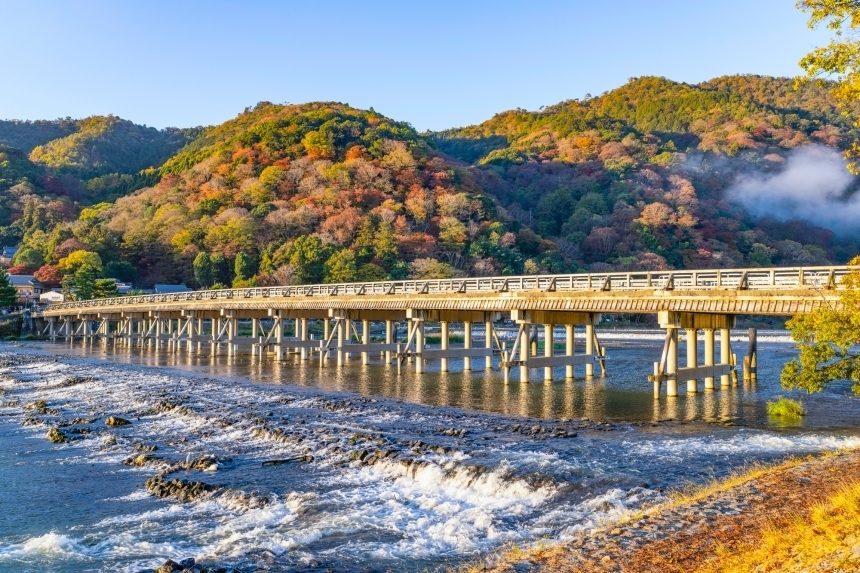
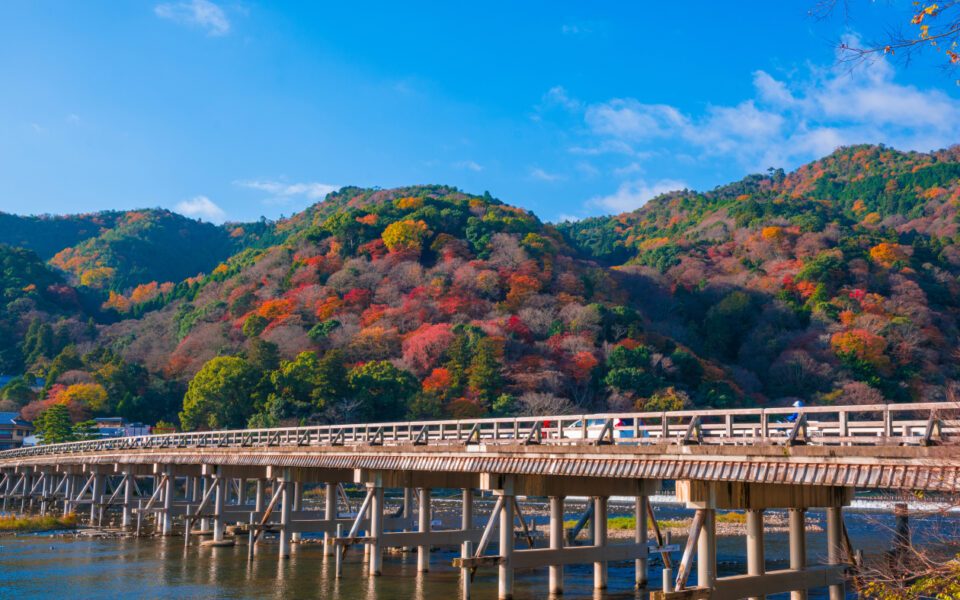
Cross this iconic wooden bridge spanning the Katsura River. It has served as a landmark for centuries.
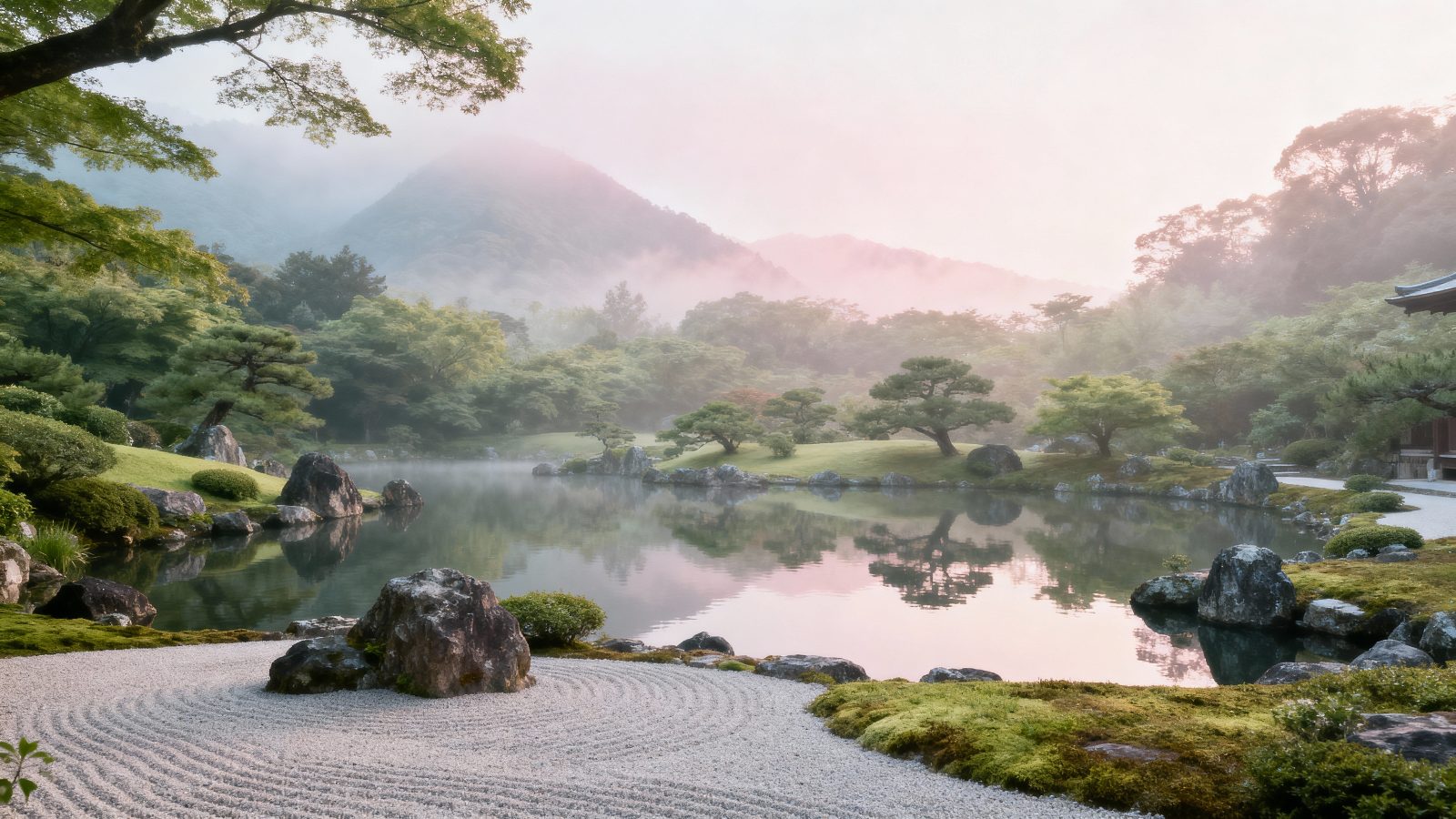
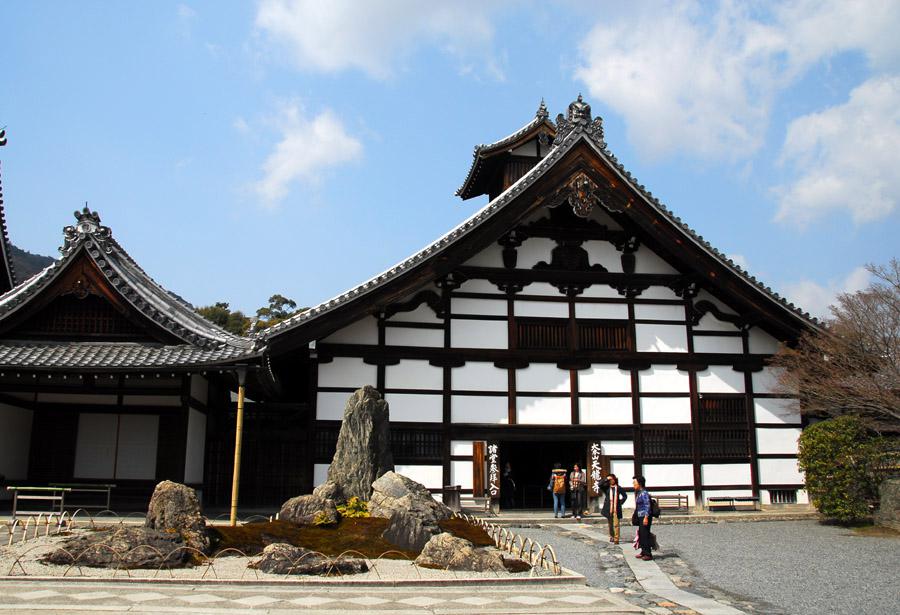
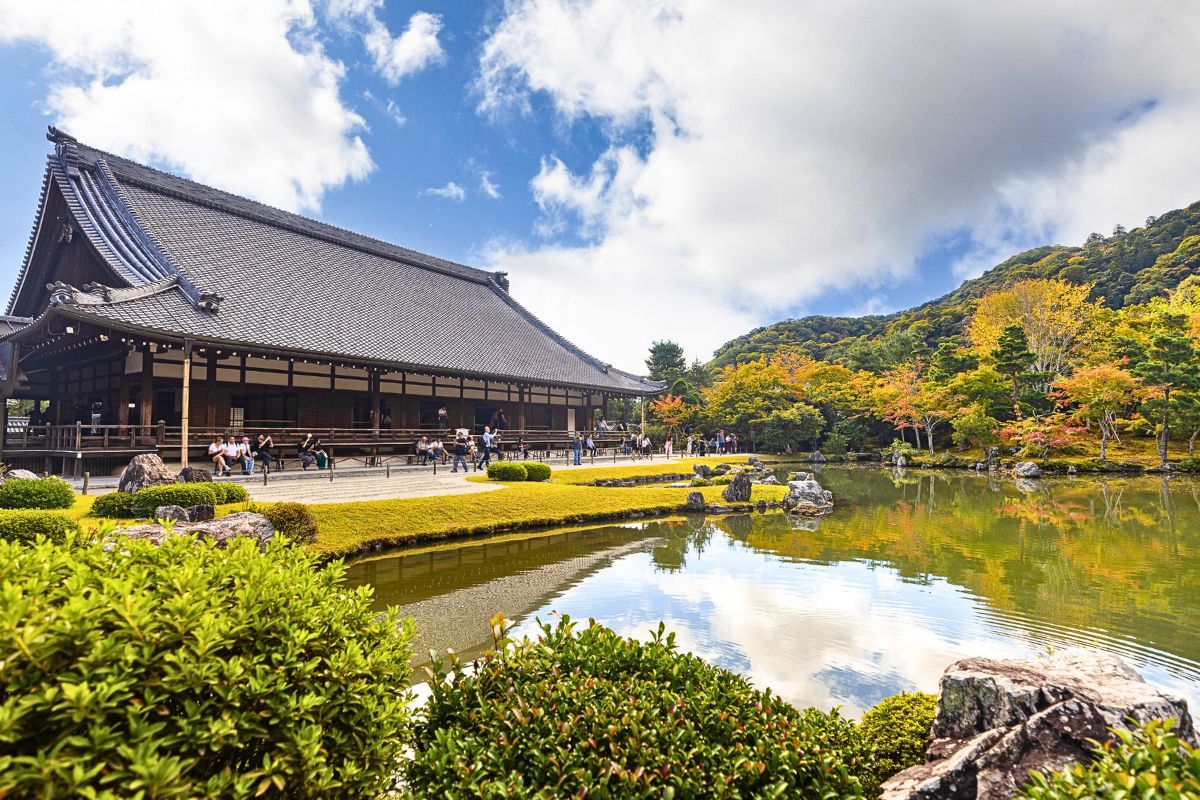
View the meticulously maintained landscape of this historic Zen temple. It includes a pond that reflects the surrounding hills.
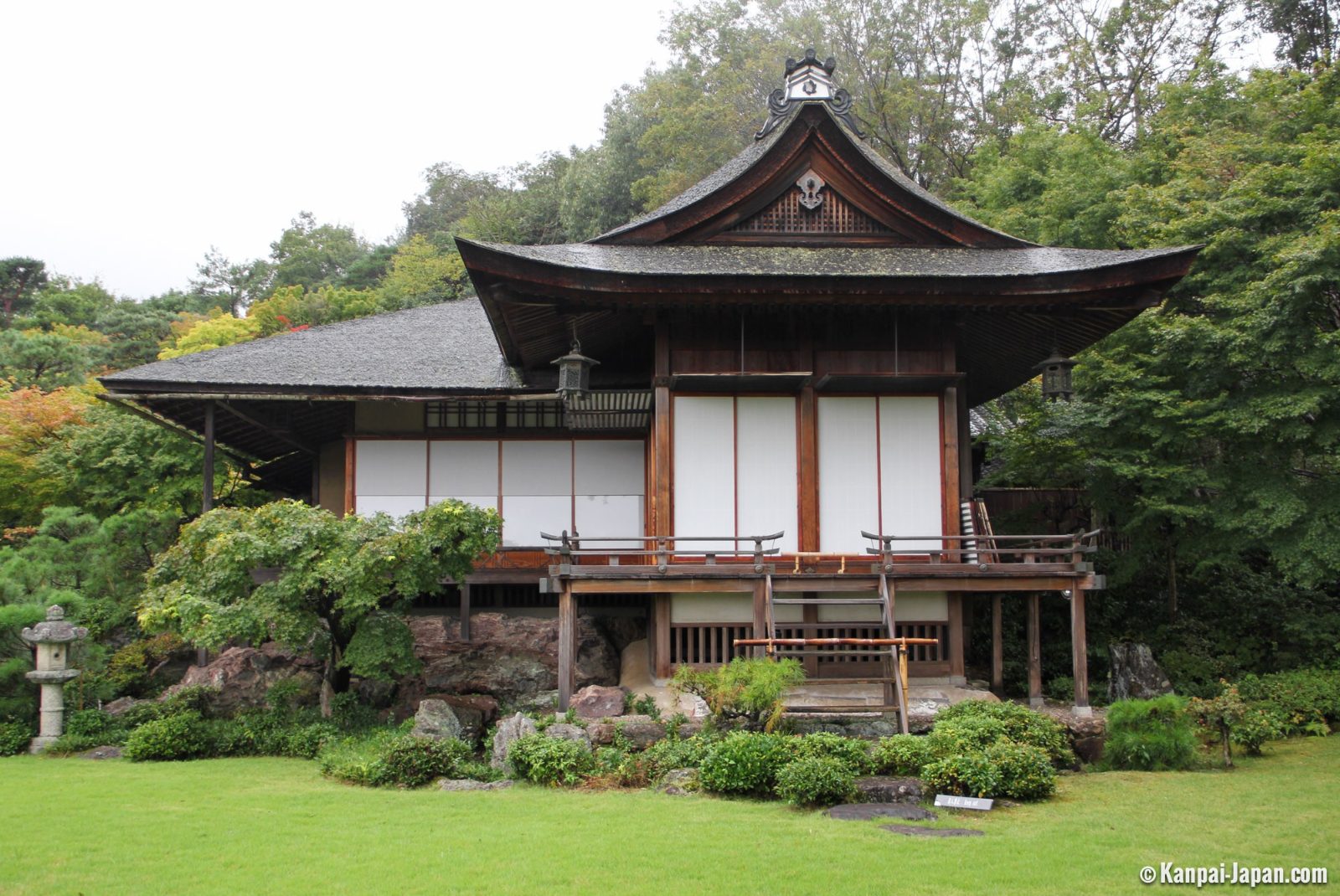
Explore the expansive former residence of a film actor. It offers panoramic views of the city.
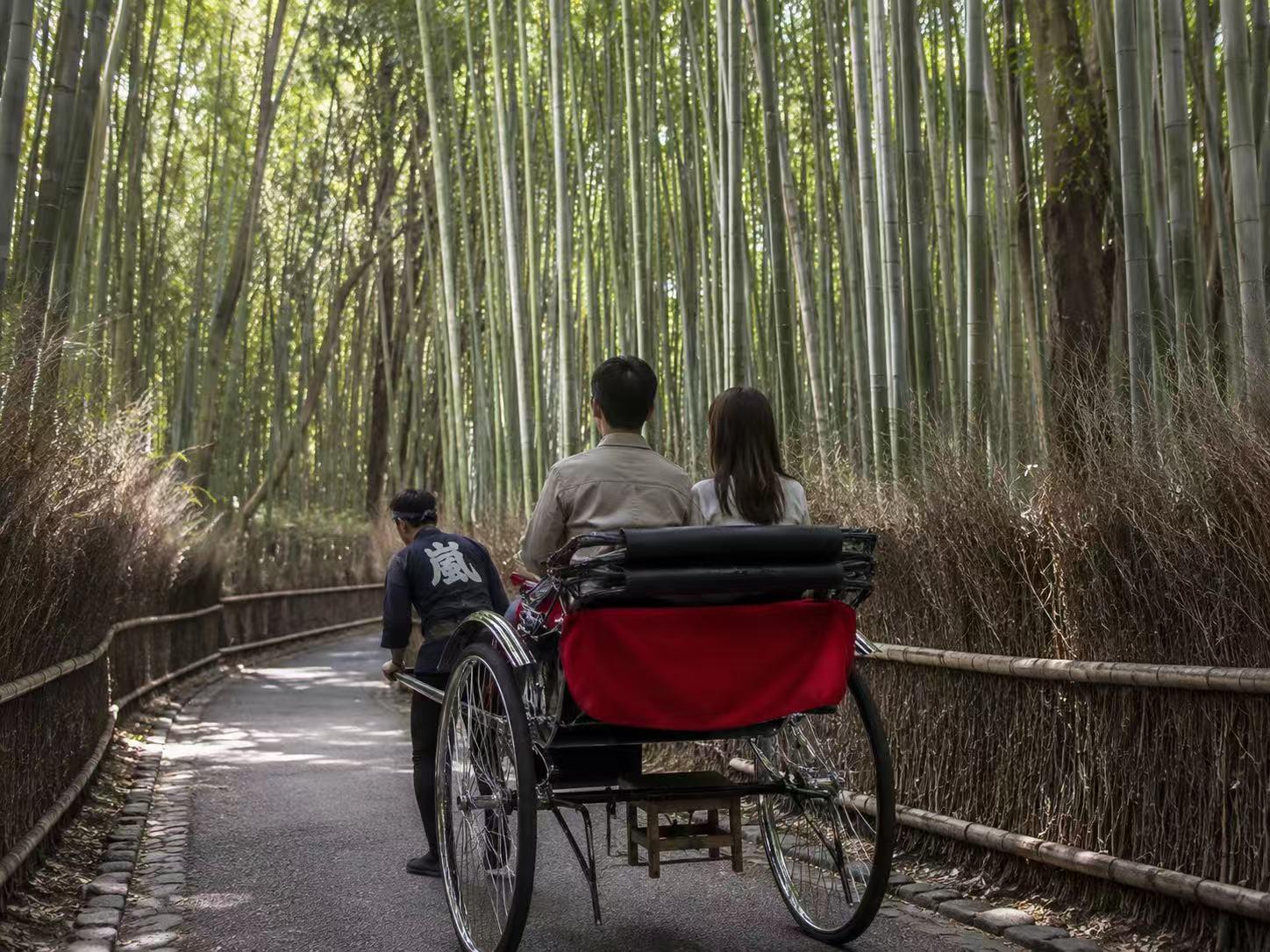
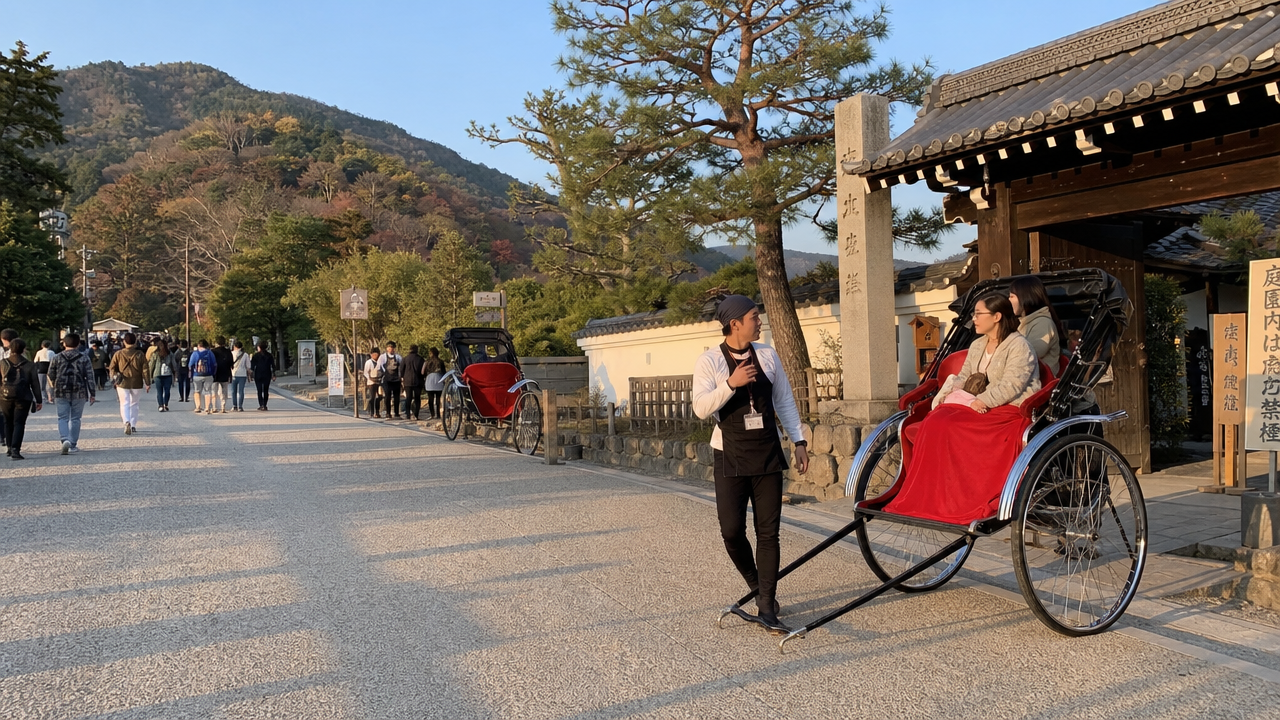
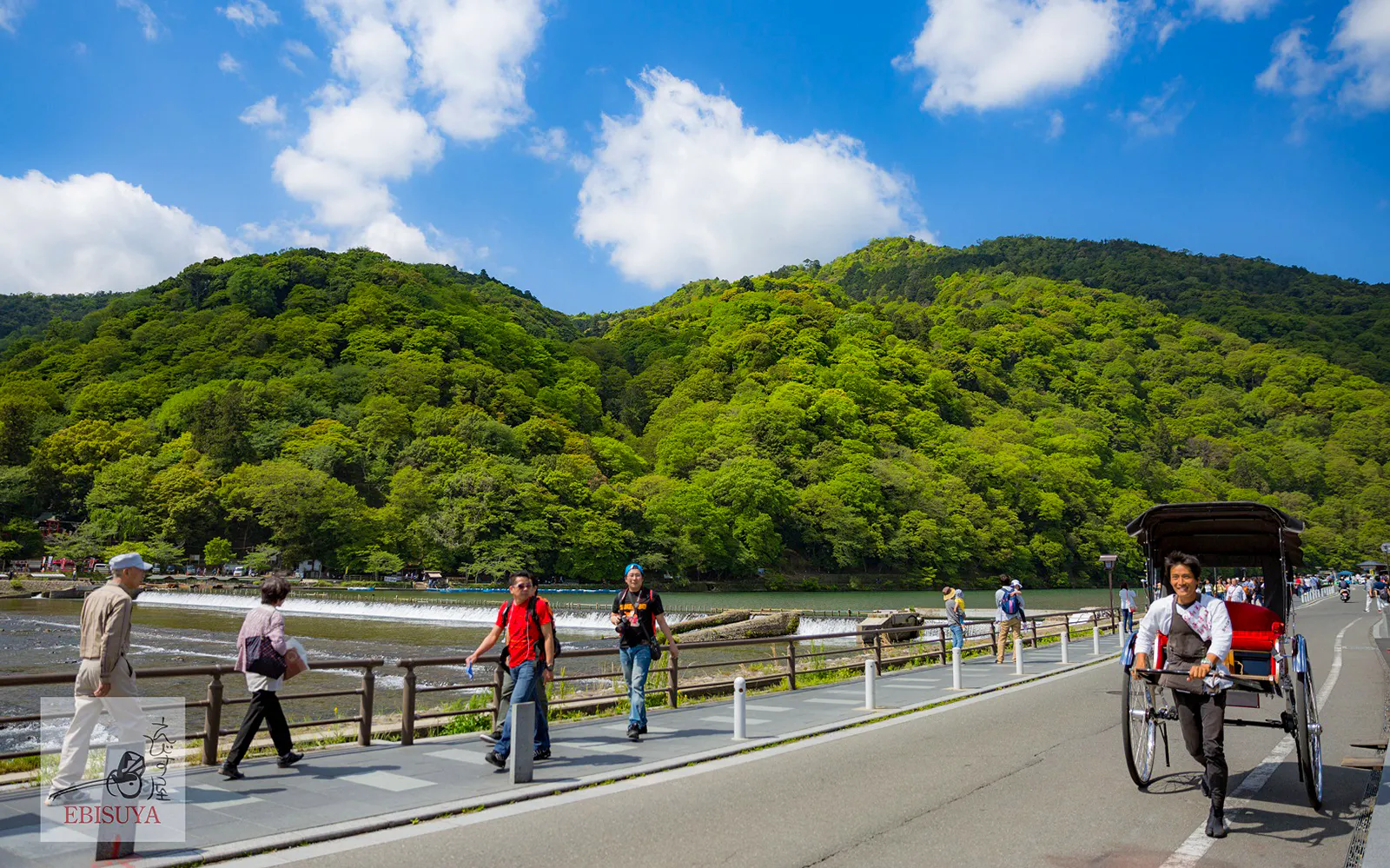
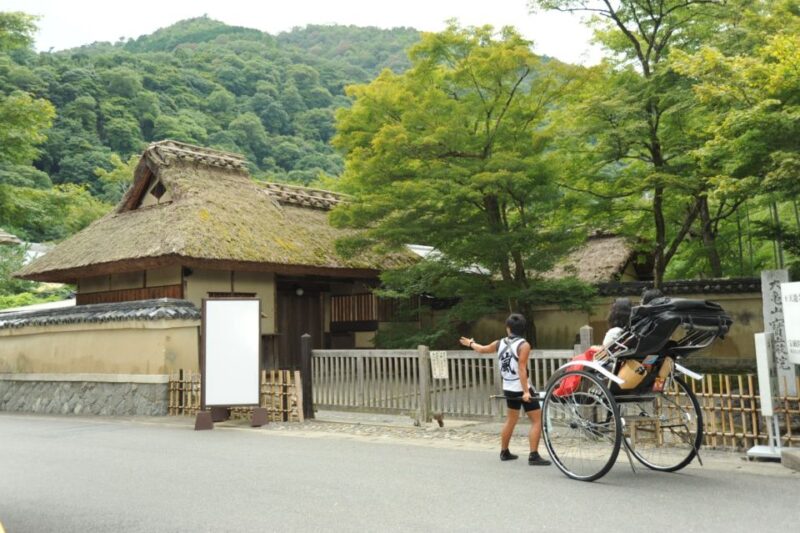
You step off the train at Saga-Arashiyama or Randen station and follow the crowd west toward the river. The rickshaw stands wait near the bridge approach and outside Tenryū-ji's east gate, black hoods folded back, pullers calling out route options.
You arrive by 09:30 if you want the bamboo path before the coaches unload; the recommended window runs to 11:00.
You choose a length first. A short ride starts at 4,000 JPY, and longer circuits climb from there — the puller shows you a laminated map and traces the line with a finger. You sit, you tuck your bag beside your knees, and a blanket goes across your lap even in summer, because the seat is high and the cart tips back slightly. Then the shafts lift and you are moving.
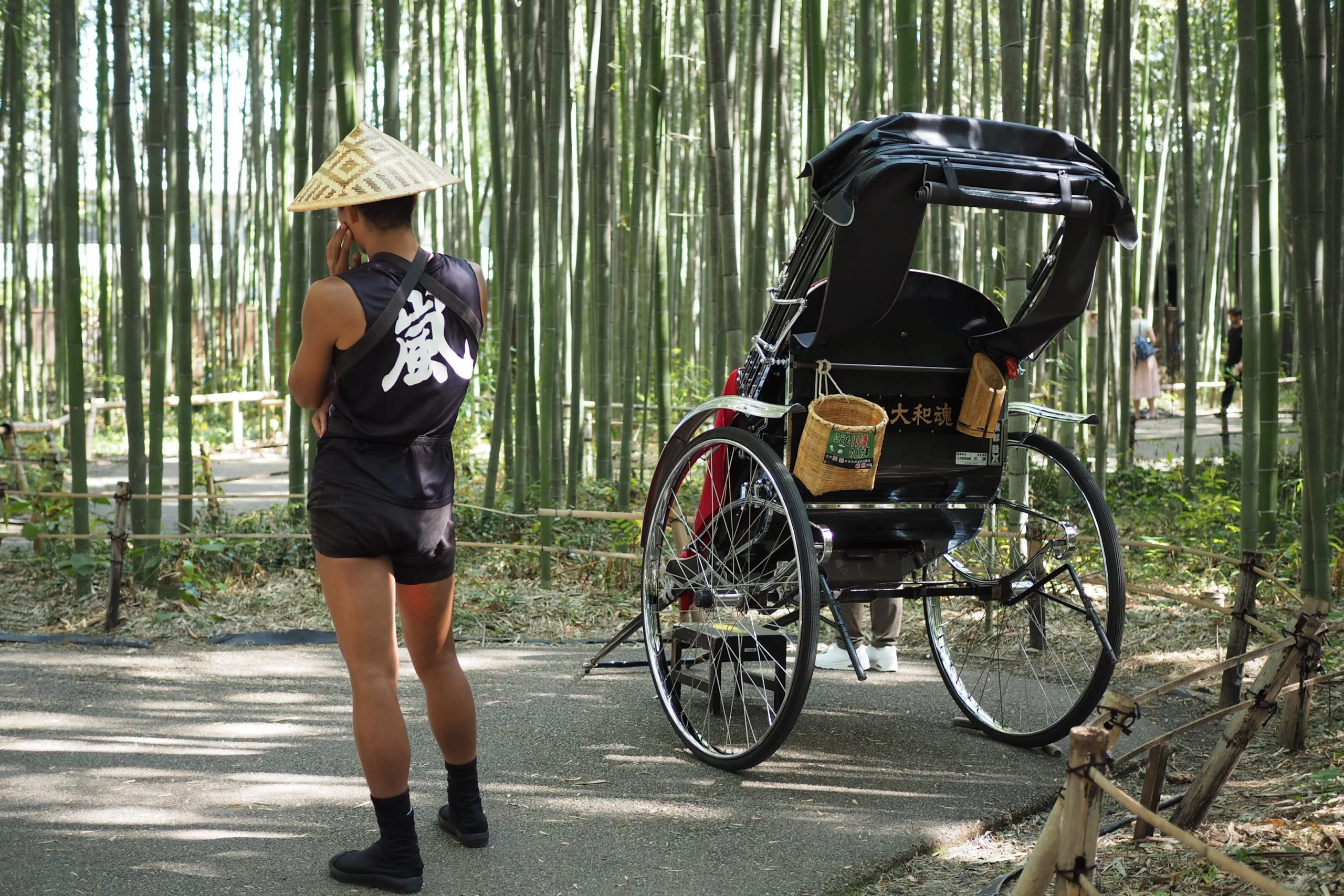
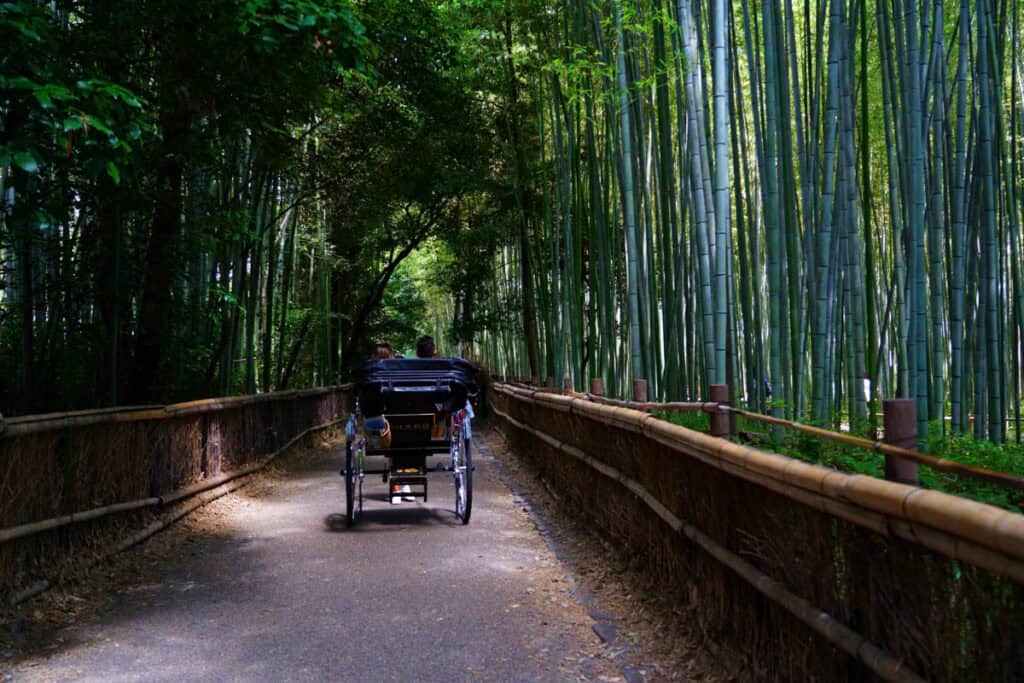
The pace is faster than walking and quieter than a bus. You pass Nonomiya Shrine's black torii on the left. The bamboo closes overhead and the light turns green; the puller stops twice, turns the cart to frame the corridor, and waits while you photograph. He talks the whole way — the age of the stalks, which house belonged to which film director. Booking an arashiyama rickshaw tour price tour means paying for that commentary as much as the ride. You climb down where you began, near the Ōi River, legs unused and ears full.
All the details about your upcoming adventure in one place
The jinrikisha was invented in Japan around 1869, and within a decade some 40,000 of them worked the streets of Tokyo alone. The vehicle was cheap, fast and human-powered. By the 1930s the motor taxi had erased it almost entirely.
In Arashiyama, on the western edge of Kyoto, the two-wheeled cart survived as something else: a slow, deliberate way of reading a landscape that resists cars.
That landscape is old. Aristocrats of the Heian court boated on the Ōi River here in the tenth century, composing verse about the maple slopes of Ogura-yama. Tenryū-ji was founded in 1339 by the shogun Ashikaga Takauji to placate the spirit of Emperor Go-Daigo; its Sōgen Pond garden, laid out by the monk Musō Soseki, is the oldest surviving designed landscape of its kind in Japan and part of the Historic Monuments of Ancient Kyoto UNESCO listing. The Sagano bamboo path runs north from the temple's back gate. Togetsukyō, the Moon Crossing Bridge, has spanned the river in some form since the ninth century. Anyone comparing an arashiyama rickshaw tour price is really buying passage through eight hundred years of accumulated intent.
What distinguishes rickshaw travel here is access. The runners — pullers trained for months in route knowledge and stamina — use narrow service lanes and residential margins closed to tour coaches, including sections of the bamboo grove and the lanes toward Nonomiya Shrine. The vantage point matters too. A rickshaw seat sits roughly a metre above the path, high enough to see over the low walls of Saga's machiya townhouses and into their gardens.
The craft itself is a small tradition. Frames are still built from laminated hardwood with lacquered fenders; the pullers work in tabi boots and happi coats, and the taller carts carry a folding hood against summer rain. Departures cluster around the station and the bridge approach, operating daily from 09:30 to 17:00 through the humid August afternoons and into the maple season. Arashiyama rickshaw tour price tickets are sold by route length rather than by attraction, which is why the same green corridor yields a ten-minute loop or an hour of Sagano backstreets. The keyword itself — arashiyama rickshaw tour price — reflects a practical question with a historical answer: the fare has always been measured in distance and human effort, as it was in 1869.

The fare has always been measured in distance and human effort, as it was in 1869.
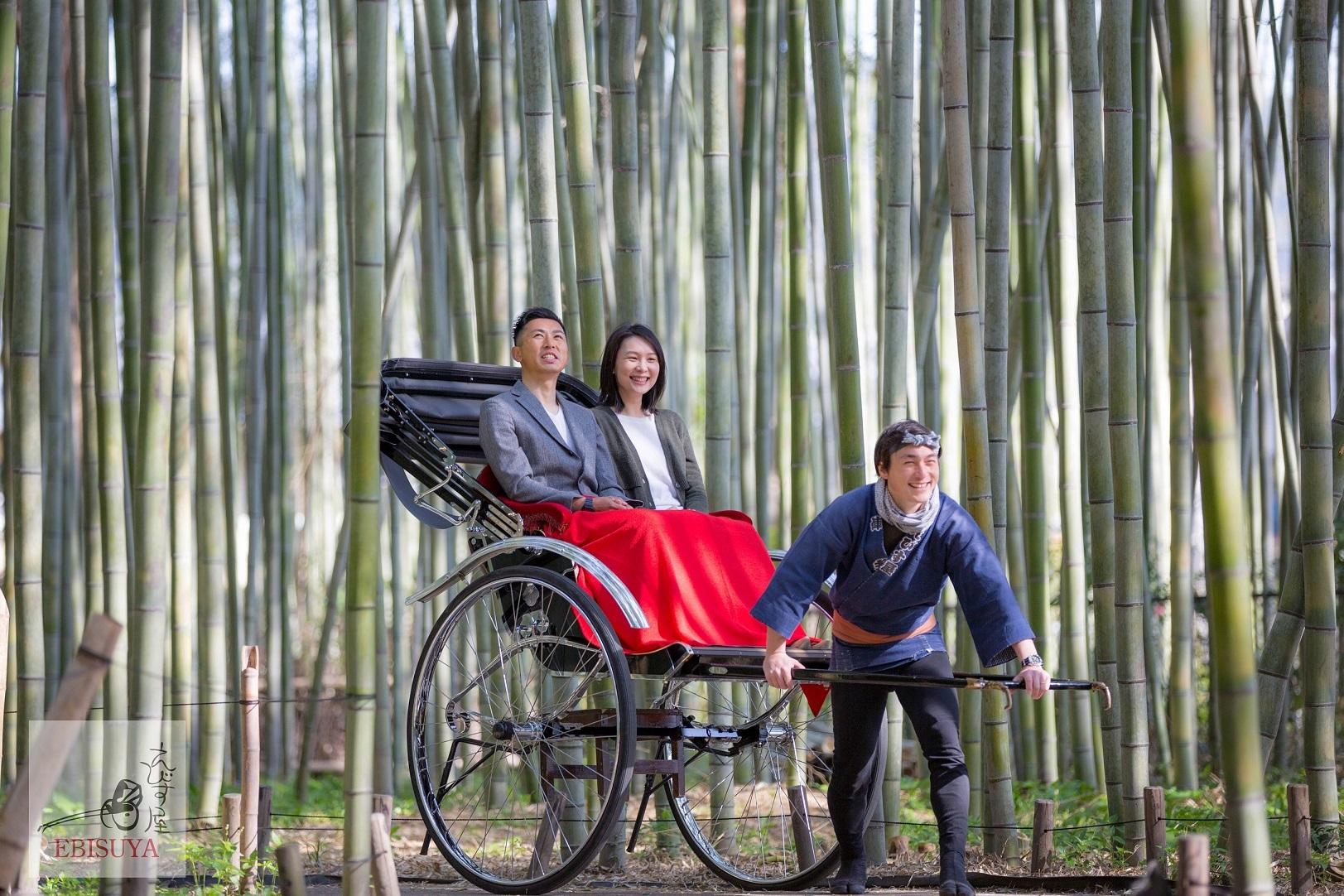
Casual clothing suitable for outdoor activity is recommended. Wear comfortable footwear as you will be stepping in and out of the rickshaw.
Small personal bags are permitted on the rickshaw. Larger luggage should be stored at the station prior to your tour.
Photography is permitted during the rickshaw ride. Please follow the instructions of your guide when stopping at historical sites.
Children are welcome on the ride. Ensure small children are accompanied by an adult at all times during the excursion.
Rickshaws have limited capacity for mobility devices. Contact the operator in advance to discuss specific assistance requirements.
Consumption of food and drink is restricted during the ride. Please enjoy refreshments at local cafes outside of tour hours.
Opening Hours
09:30–17:00
Address
3-24 Sagatenryuji Susukinobabacho, Ukyo-ku, Kyoto 616-8385, Japan
Wheelchair Access
Limited; inquire prior to booking
Best Arrival
09:30–11:00
Storage
Not available at meeting point
Navigation
Available via Ebisuya official site
Public transport · 15 min · Standard rail fare
Take the JR Sagano Line to Saga-Arashiyama Station. It is a 10-minute walk to the rickshaw meeting point.
Taxi · 20 min · Varies by distance
Taxis can drop passengers near the main street. Confirm with the driver to stop near the rickshaw station.
Cancellations must be made according to the operator terms. Refunds for the 4,000 JPY starting fee are subject to the specific booking policy.
Recommended time
1-2 hours
To experience the area effectively, consider the arashiyama rickshaw tour price as it scales with your preferred duration. Arriving during the best arrival window of 09:30–11:00 helps you bypass the densest pedestrian traffic near the Bamboo Grove. Booking these Kyoto rickshaw tours in advance ensures your selected slot is secured, while longer packages allow for deeper exploration of local landmarks. Check arashiyama rickshaw tour price tours to see if your itinerary requires extra time for temple visits.
Crowd levels through the day
Weather · crowds · average price — dots go green to amber to red as each metric rises.
Cherry blossoms bloom in early April with mild temperatures. This is a popular season for the arashiyama rickshaw tour price tours.
Expect humid weather in August. Early morning rides are recommended to avoid peak heat.
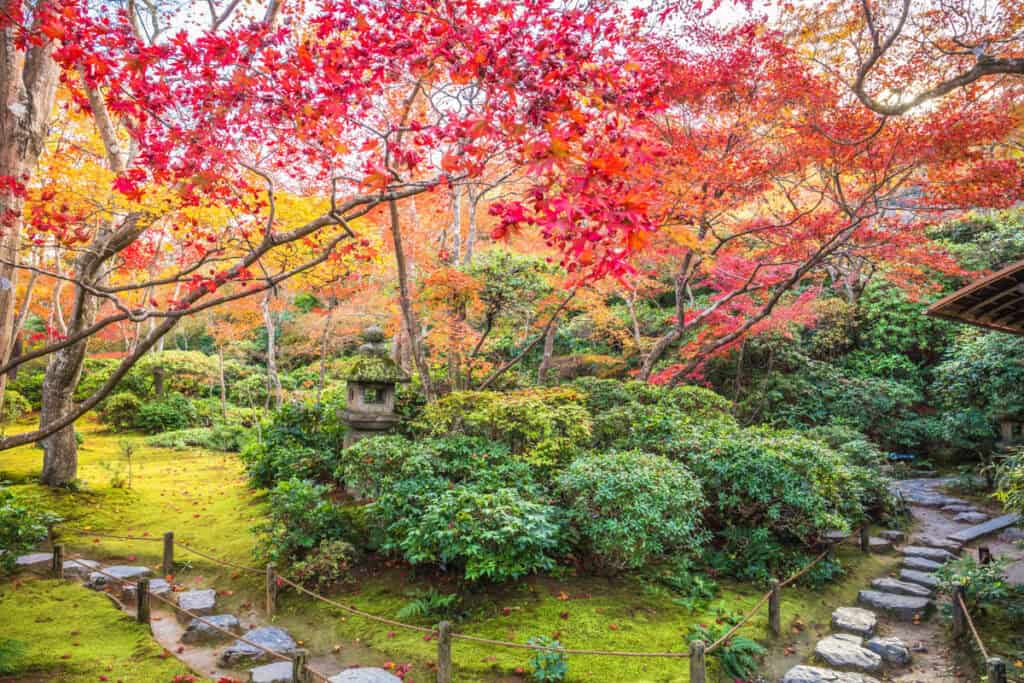
Maples turn vibrant red in November. The arashiyama rickshaw tour price is at its highest demand.
Crisp air and fewer crowds. January to February offers a quiet experience.
Reserve your arashiyama rickshaw tour price tickets in advance to secure availability. Weekend slots often sell out quickly.
Use the 09:30–11:00 window to start your arashiyama rickshaw tour price tour. This avoids the heaviest afternoon crowds in the grove.
Wear layers for the arashiyama rickshaw tour price experience. Kyoto weather can change rapidly throughout the day.
Verify the arashiyama rickshaw tour price on the official site before travel. Prices reflect duration and route choices.
Guides are knowledgeable about local history. Feel free to ask about the landmarks visited during your arashiyama rickshaw tour price trip.
3-24 Sagatenryuji Susukinobabacho, Ukyo-ku, Kyoto
Look for the red banners
Get directionsThe rickshaw — jinrikisha, literally "human-powered vehicle" — was invented in Tokyo around 1869. Credit is contested. Izumi Yosuke, Takayama Kosuke and Suzuki Tokujiro petitioned the city government for a licence to build and operate them in March 1870. The design spread fast. By 1872 roughly 40,000 were registered in Tokyo alone, and within two decades the vehicle had displaced the palanquin across Kyoto's narrow lanes. Arashiyama, already a scenic retreat since Heian courtiers boated the Oi River, absorbed the new trade quickly. Decline followed just as fast. Electric trams reached Kyoto in 1895, the first in Japan, and the motor taxi arrived in the 1910s. Rickshaws survived into the Showa era as a curiosity, then largely vanished after 1945. The craft was nearly lost. Its revival is recent and traceable: Ebisuya, the operator at 3-24 Sagatenryuji Susukinobabacho, began running sightseeing rickshaws in Kyoto in 1992, reconstructing the pulling technique from surviving veterans and period carriages. Today's arashiyama rickshaw tour price structure descends directly from that revival, starting at 4,000 JPY for a short course. What survives is narrower than the original trade but more deliberate. The lacquered black hood, the leaf-spring axle, the shafts balanced so a single runner carries two passengers — these are period-faithful. The routes are not. Modern arashiyama rickshaw tour price tours trace the Bamboo Grove path, Tenryu-ji's outer wall, Togetsukyo Bridge and the Okochi Sanso approach, corridors closed to cars precisely because the rickshaw can pass. Ebisuya's runners train as guides, a role the Meiji porter never held. Daily operation runs 09:30–17:00. The 09:30–11:00 window matches the historic pattern of morning travel, before heat and crowds. Booking a Kyoto Arashiyama rickshaw tour today means buying into a 150-year lineage; arashiyama rickshaw tour price tickets vary by duration, and any single arashiyama rickshaw tour price tour is best confirmed on +81-75-864-4444 or ebisuya.com.
The jinrikisha is developed in Tokyo as a two-wheeled, human-pulled passenger vehicle.
Izumi Yosuke and two partners secure a municipal licence to build and operate rickshaws.
Around 40,000 rickshaws are registered in Tokyo, and the trade spreads to Kyoto.
Kyoto opens Japan's first electric tramway, beginning the rickshaw's commercial decline.
Motor taxis enter Kyoto, pushing rickshaws toward novelty and ceremonial use.
Rickshaw transport all but disappears from Japanese cities.
Ebisuya begins operating sightseeing rickshaws in Kyoto, reviving the pulling craft.
Rides depart daily 09:30–17:00 from Sagatenryuji, starting at 4,000 JPY.
Stand at the northern entrance to capture the towering stalks framing your rickshaw puller. This iconic Kyoto landmark offers vertical composition potential from the main walkway.
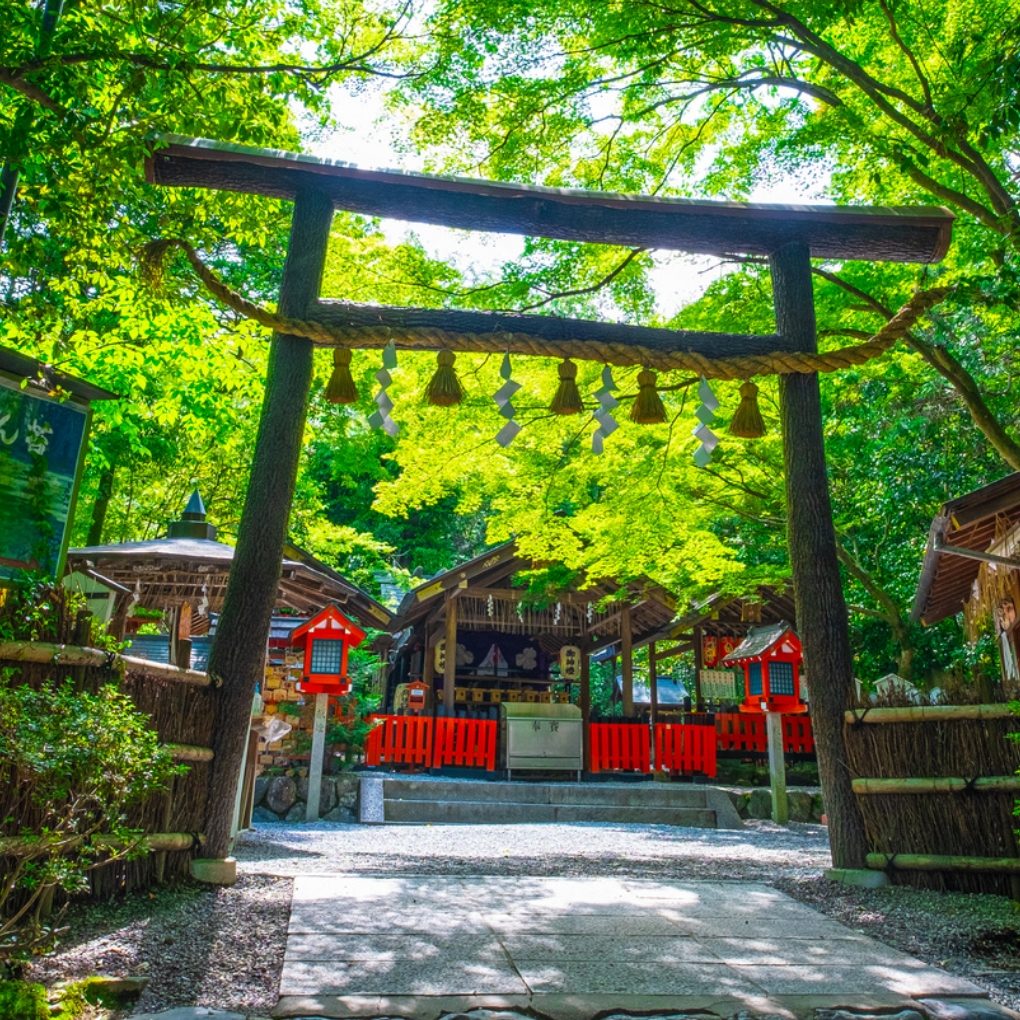
Position your camera to include the weathered black wooden torii gate and the surrounding lush forest foliage. This traditional Shinto site serves as a perfect backdrop for assessing your arashiyama rickshaw tour price tours experience.
Capture the Hozugawa River flowing beneath the bridge with the mountains as a backdrop from the eastern riverbank. This broad landscape shot provides context for your Kyoto landmarks excursion.
Focus on the intricate temple gate details while your driver waits, providing a cultural anchor for your arashiyama rickshaw tour price tour photos.
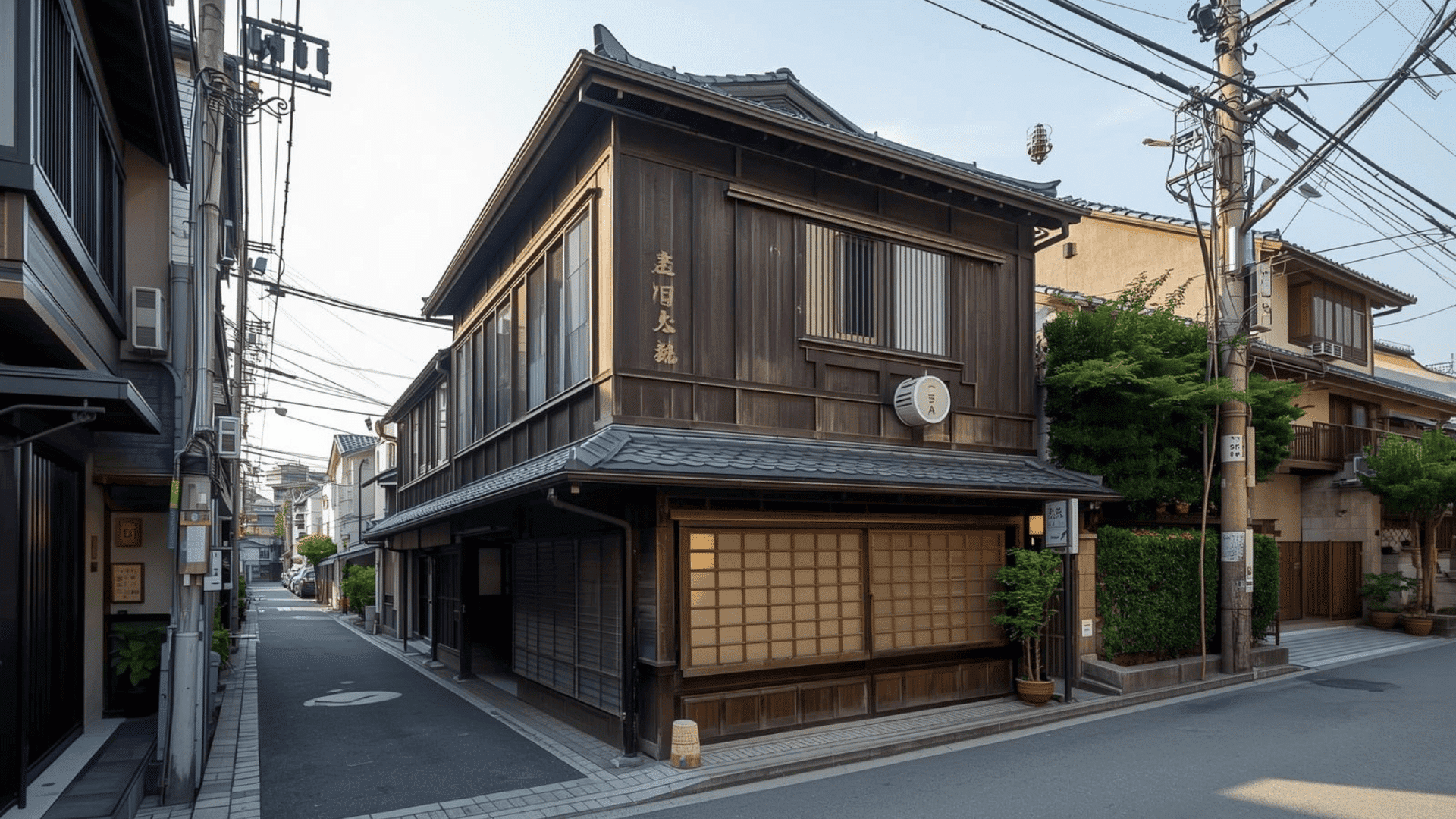
Request a stop along these quiet paths to photograph traditional wooden machiya houses that define the character of these arashiyama rickshaw tour price tickets routes.
Exploring the Bamboo Grove by rickshaw offers a comfortable way for families to navigate the area, though understanding the arashiyama rickshaw tour price is key for budget planning. These traditional Kyoto sightseeing transport options provide a relaxed pace for both children and adults.
Rickshaws cannot accommodate strollers, but staff can often help store them at the office before your arashiyama rickshaw tour price tours begin.
While there is no strict age limit, children must be able to sit upright independently, making this activity best for toddlers and older children needing arashiyama rickshaw tour price tickets.
There are no onboard baby-change facilities, so please utilize public restrooms in the vicinity before starting your selected arashiyama rickshaw tour price tour.
The experience allows you to see the district landmarks without exhausting little legs, providing a smooth ride through narrow paths that might be crowded for pedestrians.
Young children should be seated securely between adults, and operators provide blankets or seat cushions to ensure comfort during the journey.
Exploring the historic district is convenient when you plan your meal near the arashiyama rickshaw tour price meeting point. You will find various dining options along the main street that accommodate travelers between their Kyoto rickshaw sightseeing tours.
Specializes in handmade buckwheat noodles with views of the Togetsukyo Bridge. It is a popular spot for lunch, so consider arriving outside of peak dining hours to avoid long waits for your arashiyama rickshaw tour price tours.
Everything you need to know for your journey
The starting arashiyama rickshaw tour price is 4,000 JPY for a short tour. Prices vary based on the duration you select with the operator.
You can purchase arashiyama rickshaw tour price tickets directly through the official Ebisuya website or at the station.
Children's pricing for the arashiyama rickshaw tour price depends on their age and seat requirements. Contact the operator for specific family rates.
Contact the operator directly to modify your arashiyama rickshaw tour price booking. Changes are subject to their availability and policy.
Bring water, sunscreen, and a camera for your arashiyama rickshaw tour price outing. Wear comfortable shoes for walking between sites.
The arashiyama rickshaw tour price tours generally continue in light rain, as rickshaws have covers. Safety is the priority in extreme weather.
Yes, photography is highly encouraged during your arashiyama rickshaw tour price visit. Just be mindful of other pedestrians and traffic.
The arashiyama rickshaw tour price tour duration varies by package. Options range from short discovery loops to extended historical tours.
Arrive between 09:30–11:00 for your arashiyama rickshaw tour price adventure to enjoy the best atmosphere.
A UNESCO World Heritage site known for its garden design. It features a historic pond garden.
Tall bamboo stalks creating a shaded pathway. It is a signature location for photos.
Former villa of a silent film star. Includes tea service and mountain views.
Wooden bridge over the Katsura River. Ideal for scenic river views.
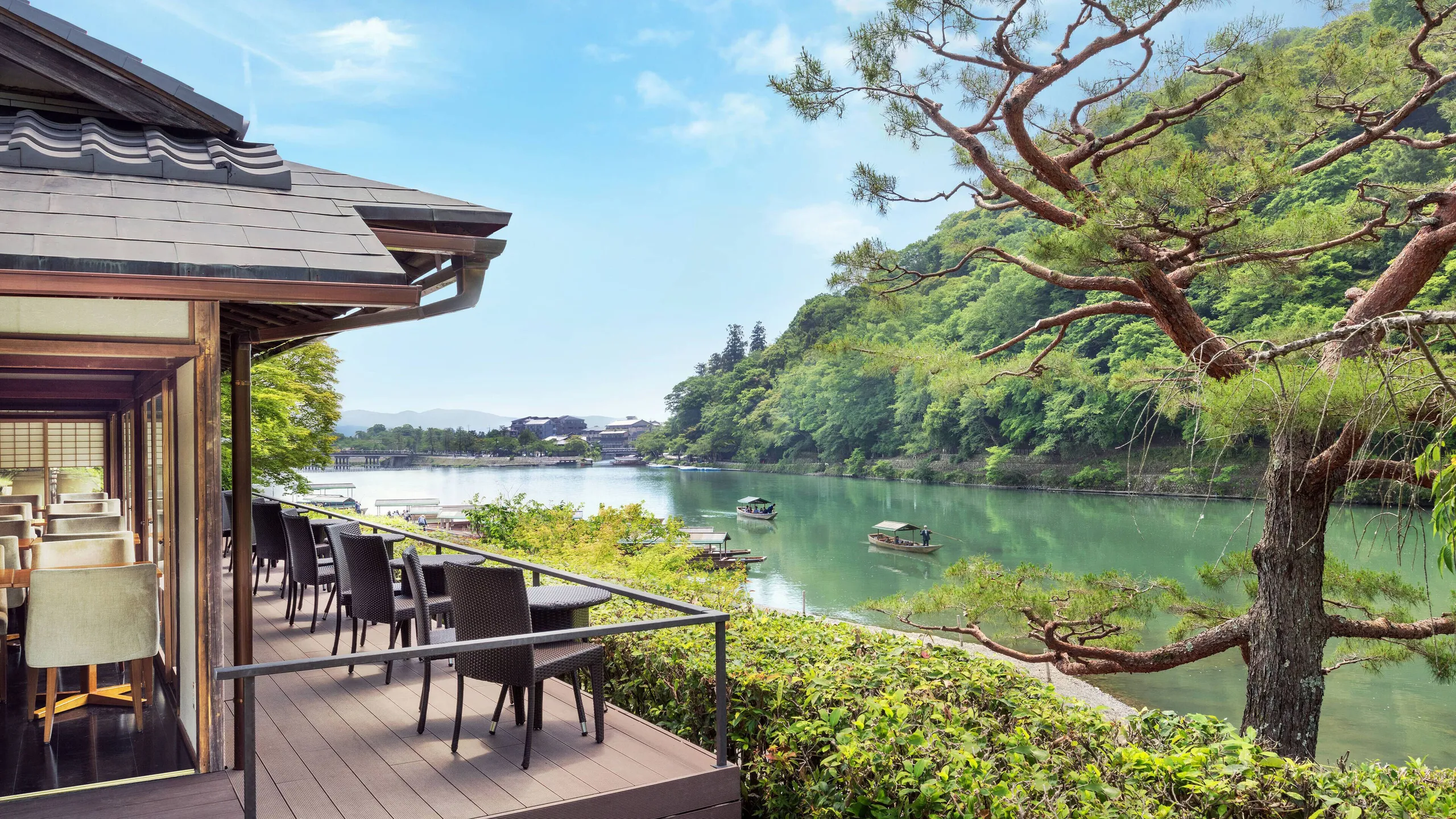
Riverside hotel near the bamboo area.
Traditional ryokan with hot spring access.
Convenient location for visitors.
Join thousands of happy travelers who have discovered this incredible experience
Book Your Experience Now