3 hr 45 min
Arashiyama Private Rickshaw Experience with Bamboo Grove
- Private experience
- Personal attention
- Premium amenities
- Free cancellation
Arashiyama Bamboo Grove Rickshaw Tour — Sagano Routes & Reserved Seats
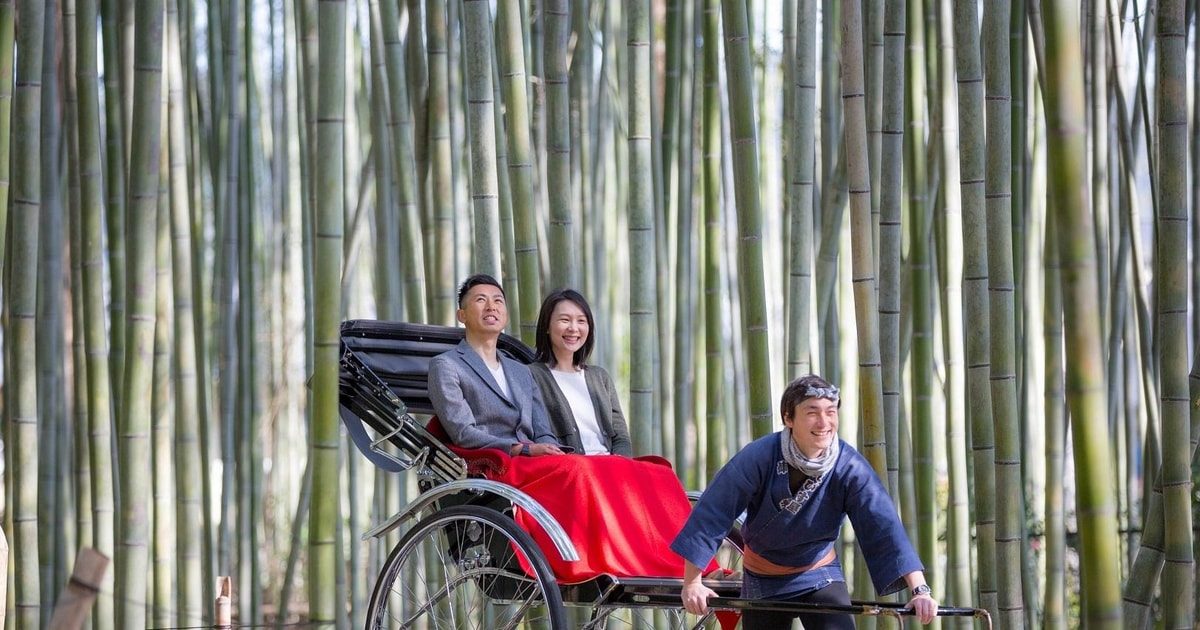
Green light falls in columns, two wheels carry you through it.
Compare fares, pick the fit — all bookings are mobile-voucher and eligible for free cancellation where shown.
3 hr 45 min
9 hr
5 hr 30 min
Exploring the serene paths of the district is best achieved with a traditional arashiyama bamboo grove rickshaw tour, offering a unique perspective on Kyoto landmarks. Visitors can select from various durations to customize their local rickshaw experience based on their time and itinerary.
| Short Course 30–45 Mins |
Top pick Standard Tour 70–90 Mins |
Extended Experience 2–3 Hours | |
|---|---|---|---|
| Bamboo Forest Access | |||
| Historic District Sites | — | ||
| Rickshaw Guide Included | |||
| Best for | Quick photo stops | First-time visitors | In-depth exploration |
| See tickets & prices |
Verdict: For the most balanced arashiyama bamboo grove rickshaw tour tickets, we recommend the 70-minute standard tour as it covers essential forest paths and nearby cultural heritage sites.
Worth it for mobility-limited and photo-focused visitors
The grove itself costs 0 JPY (Free entry) and never closes, so an arashiyama bamboo grove rickshaw tour is not buying access — it is buying a route. What you actually get is a licensed ebisuya-style puller who runs private lanes behind Tenryu-ji and Nonomiya Shrine that walkers rarely find, plus a driver who stops, frames and shoots you against the sasa stalks. That trade pays off if you have knees, a stroller or a limited window; the private rickshaw run through the Sagano bamboo path condenses what would otherwise be a scattered wander past Togetsukyo Bridge and the Okochi Sanso hedges. It pays off less for confident walkers, who can cover the same corridor for nothing. Walking and coach alternatives on this page reach the Iwatayama monkeys or Fushimi-level Kyoto landmarks instead; rickshaw tickets buy intimacy and access, not breadth.
Bottom line: Book the arashiyama bamboo grove rickshaw tour if you want the hidden Sagano lanes and a driver's camera eye; walk it free if you are fit and unhurried.
They complement each other; most visitors who do both call the rickshaw the more immersive way to learn local heritage, while walking offers complete freedom. This Kyoto landmarks comparison weighs the guided narrative against self-paced discovery.
|
Top pick Rickshaw Tour |
Walking Tour | |
|---|---|---|
| Narrative depth | Guided historical storytelling | Self-guided observation |
| Physical effort | Passive sightseeing | Moderate walking |
| Access to narrow paths | High maneuverability | Variable accessibility |
| Crowd interaction | Separated by vehicle | Direct immersion |
| Exclusive perspectives | Elevated viewpoint | Ground-level perspective |
| Transit convenience | Door-to-door service | Requires public transport |
| See tickets & prices |
Verdict: Choose an arashiyama bamboo grove rickshaw tour if you prefer curated storytelling, or select a walking tour to acquire your own arashiyama bamboo grove rickshaw tour tickets for flexibility and solo exploration.
Hand-picked experiences loved by thousands of travelers
4 hours
Free Cancellation
Half-day journey through Kyoto's scenic district: temple gardens, bamboo forest, matcha tasting, and mountain monkeys
6 hours
Free Cancellation
Start your day before the crowds at three iconic sites: Fushimi Inari, Arashiyama, and the Golden Pavilion
3.5 hours
Free Cancellation
Pedal through Kyoto's iconic bamboo groves at dawn before the crowds arrive on this guided bicycle tour
4.5 to 5 hours
Free Cancellation
Discover Kyoto's natural beauty through mountain railways, riverside journeys, and bamboo forests
2.5 hours
Free Cancellation
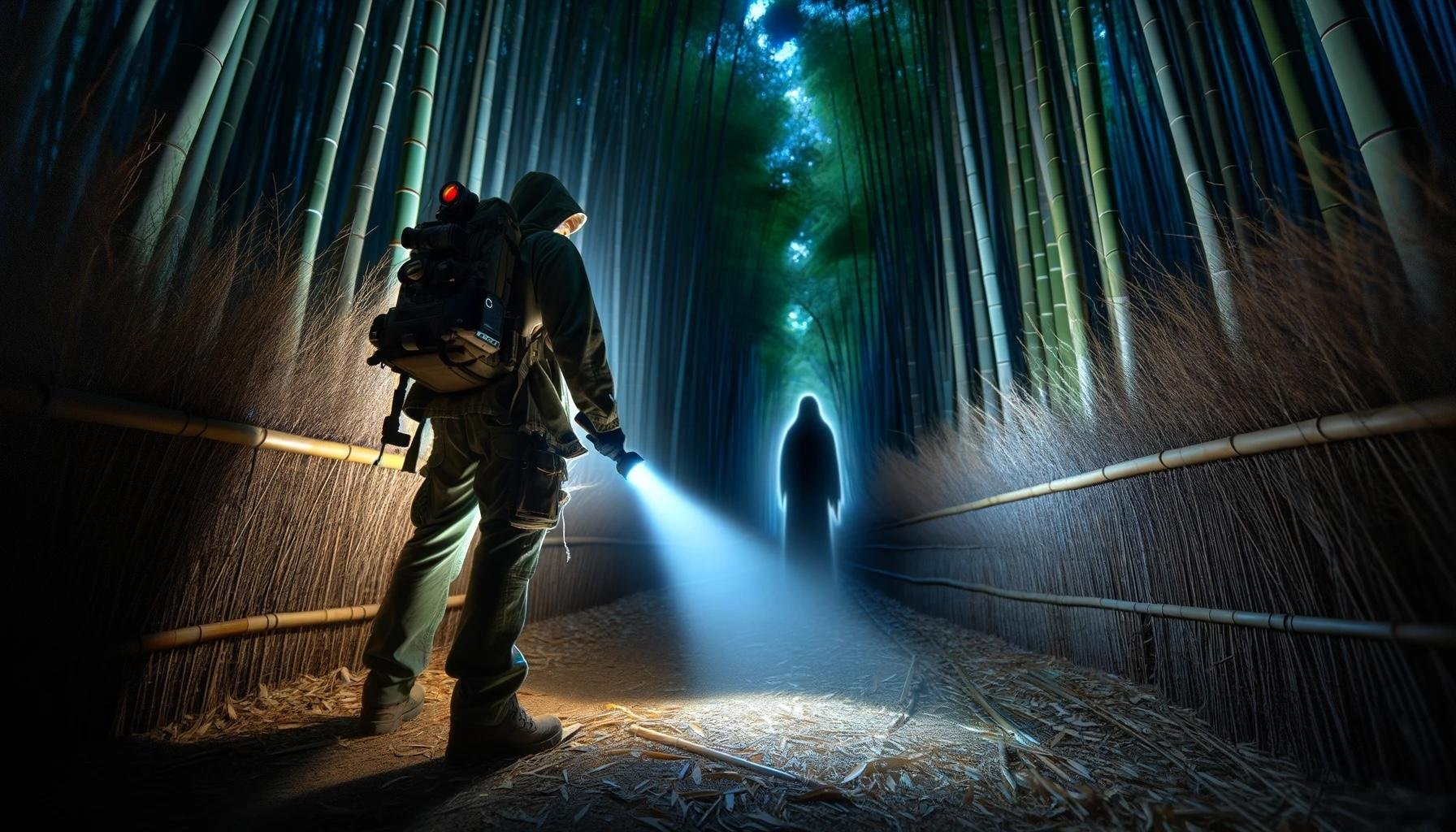
Explore Arashiyama's bamboo groves after dark with chilling folklore, solo forest walks, and eerie tales
1.5 hours
Free Cancellation
Explore Kyoto's stunning bamboo forest and historic Zen temple with entry and guide included
2.5 hours
Free Cancellation
Beat the crowds at Kyoto's most photographed landmarks with an early start at the bamboo forest and gardens
Meet your puller at the designated point
Discuss the bamboo forest path and stops
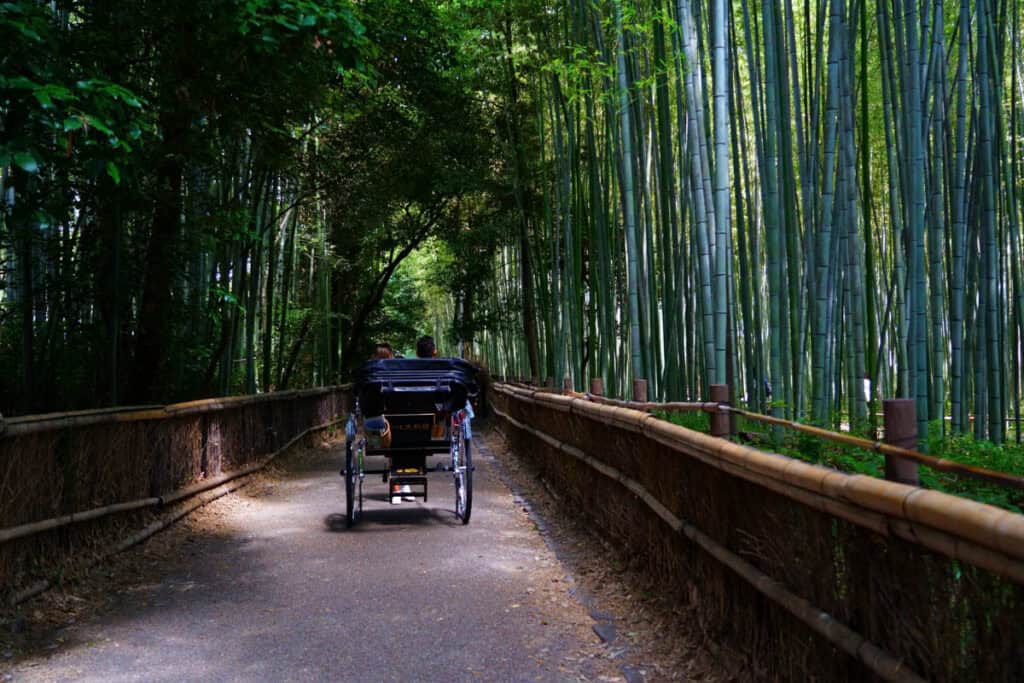
Travel through the towering stalks
Arrive at the destination near the temple
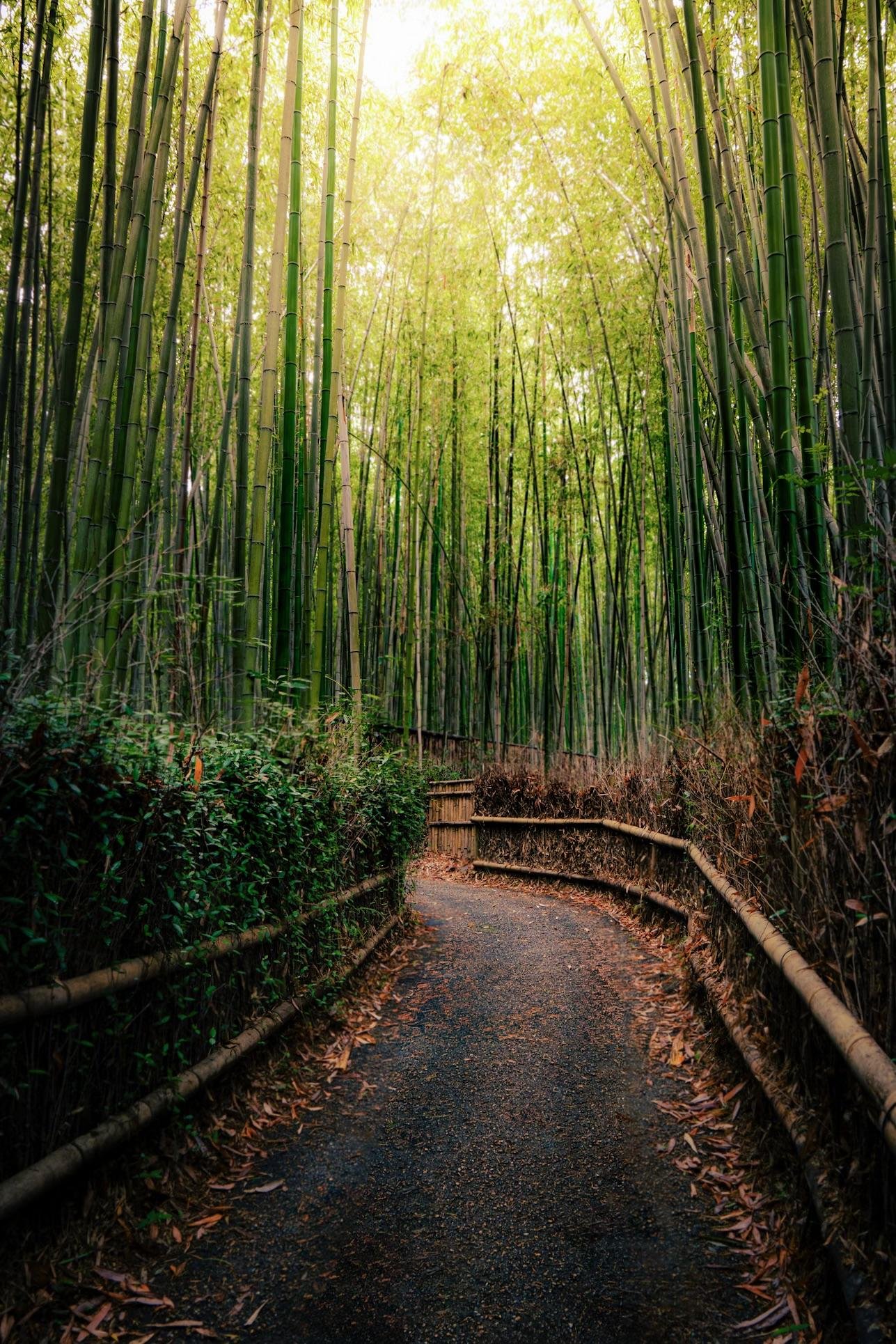
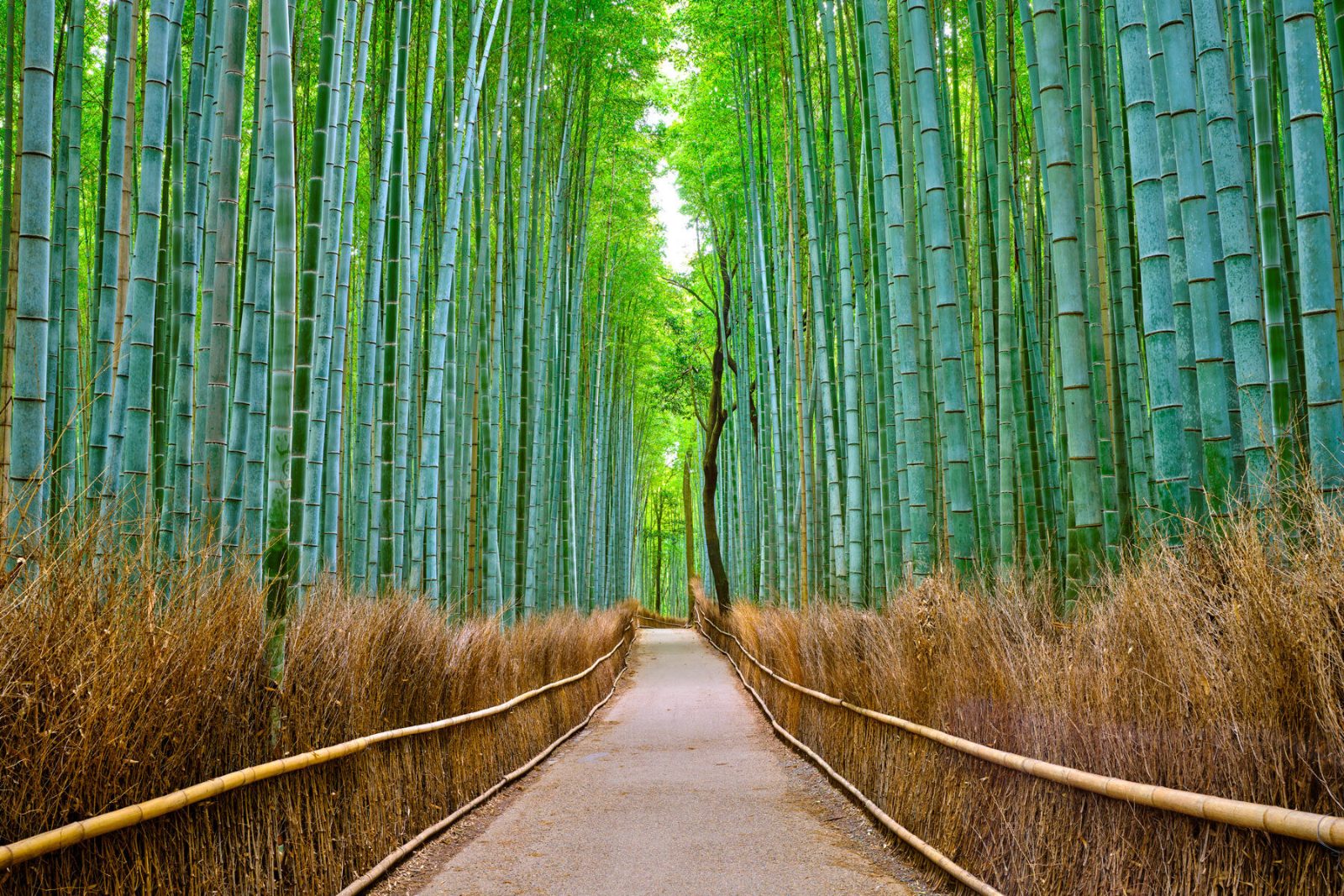
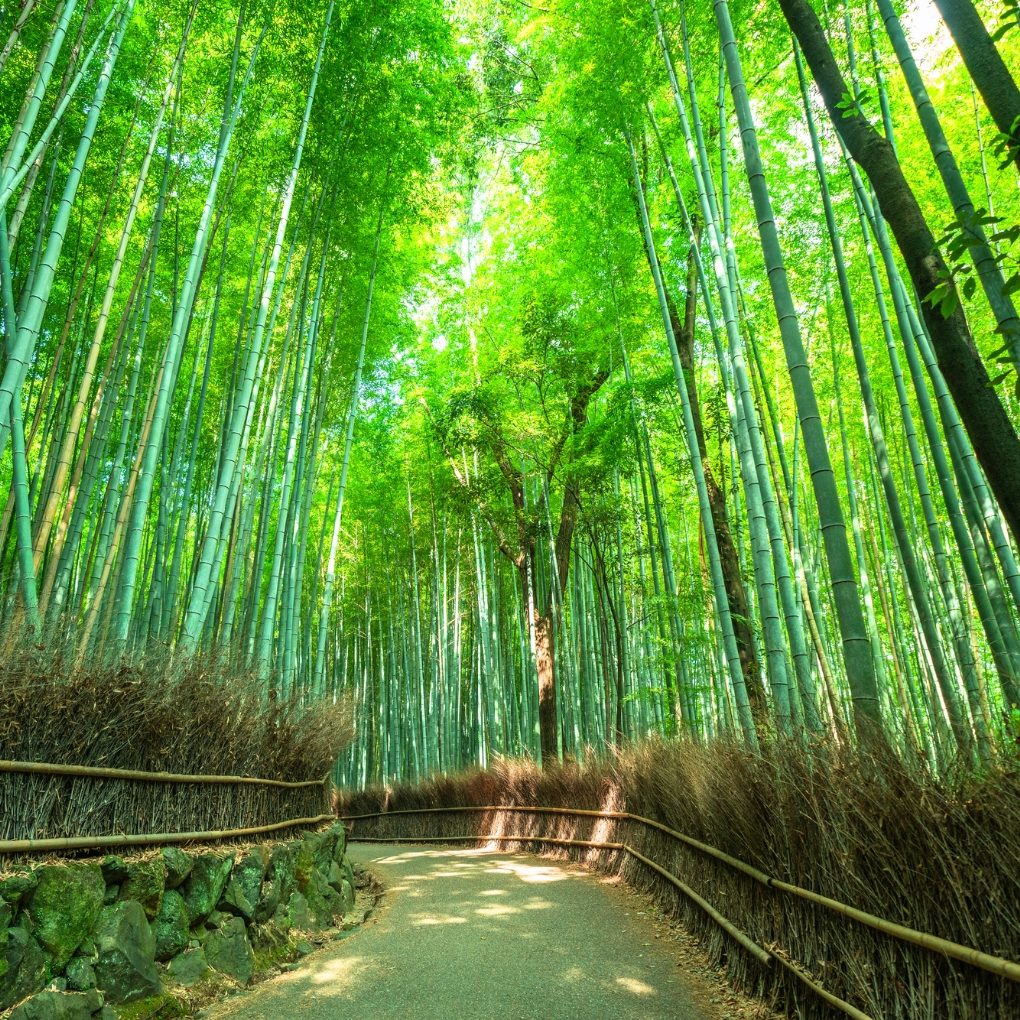
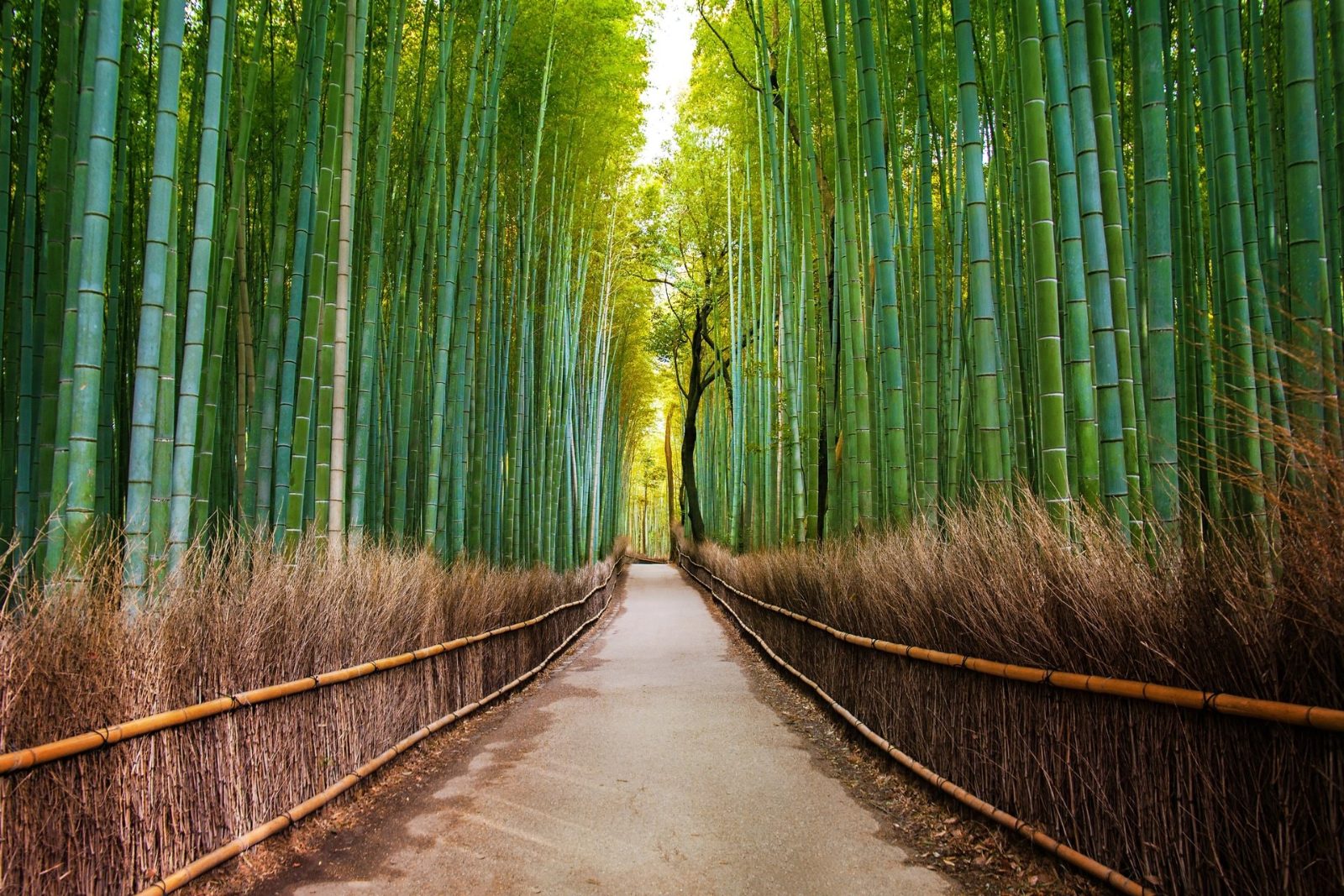
The main trail stretches several hundred meters with stalks reaching up to 30 meters high. It is the core of any arashiyama bamboo grove rickshaw tour experience.
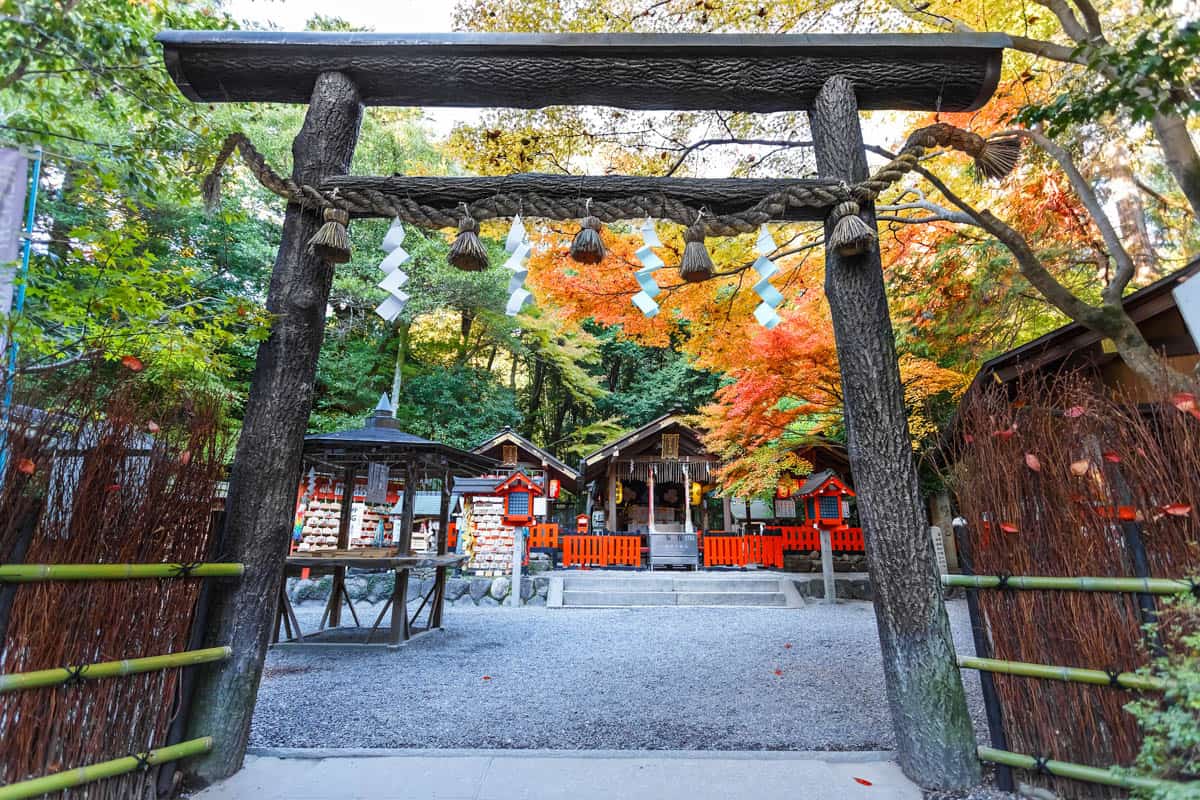
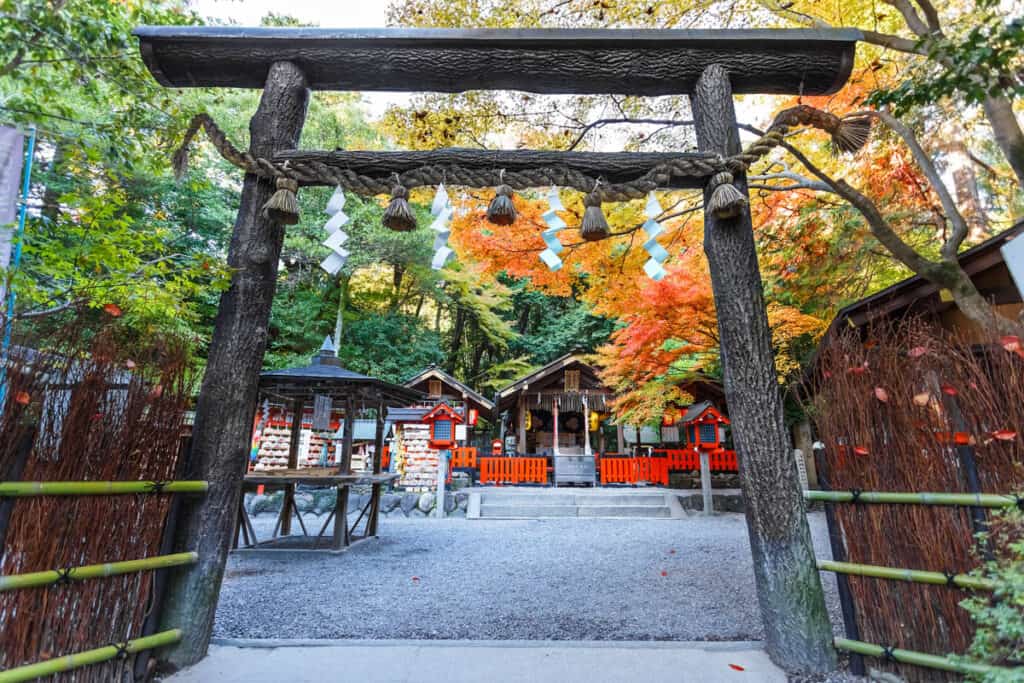
This historic site features unique black torii gates made from unpeeled logs. It is a common stop on the rickshaw route.
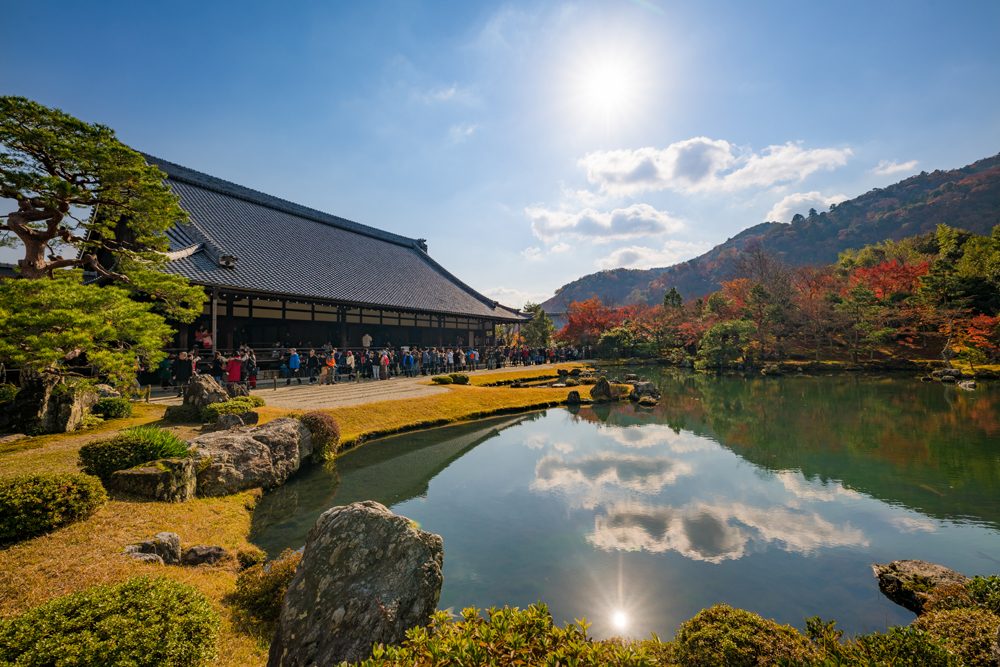
The garden features a 14th-century landscape design that remains largely intact. It is located right at the edge of the bamboo forest.
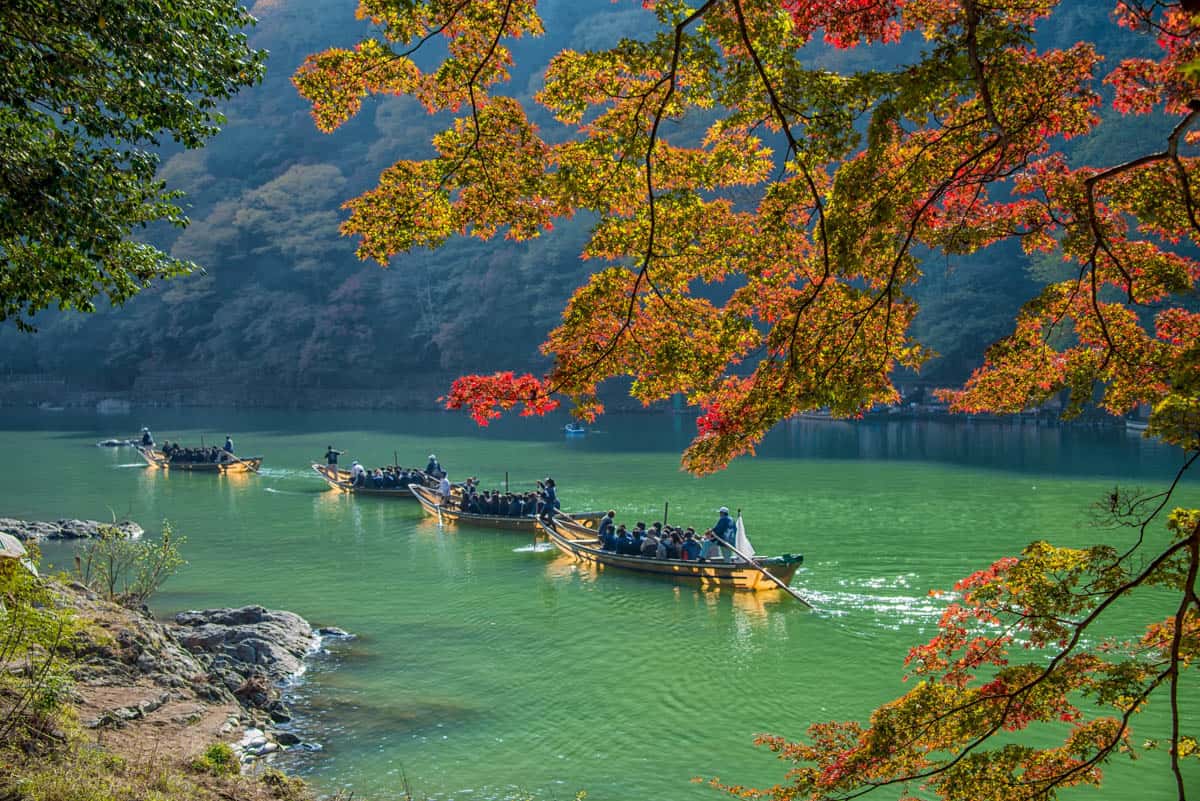
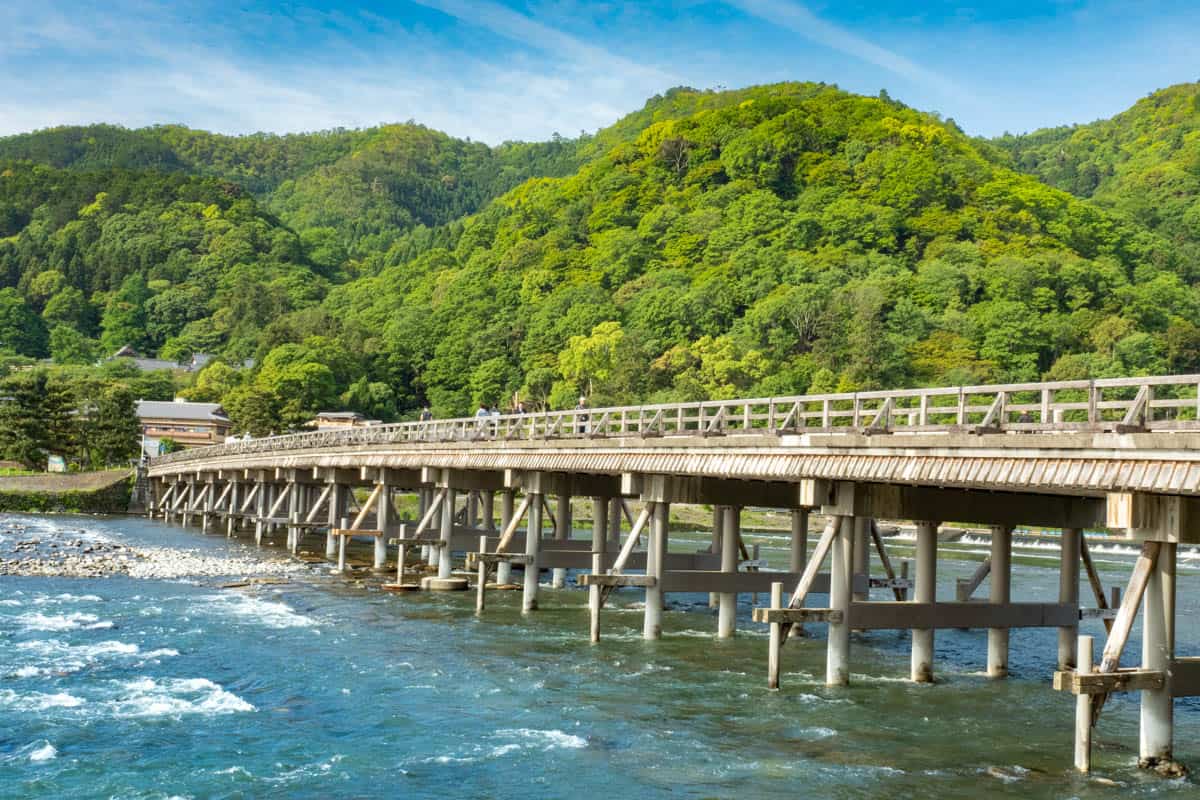
Some routes offer views overlooking the river where boats navigate the rapids. It provides a different perspective of the Arashiyama landscape.
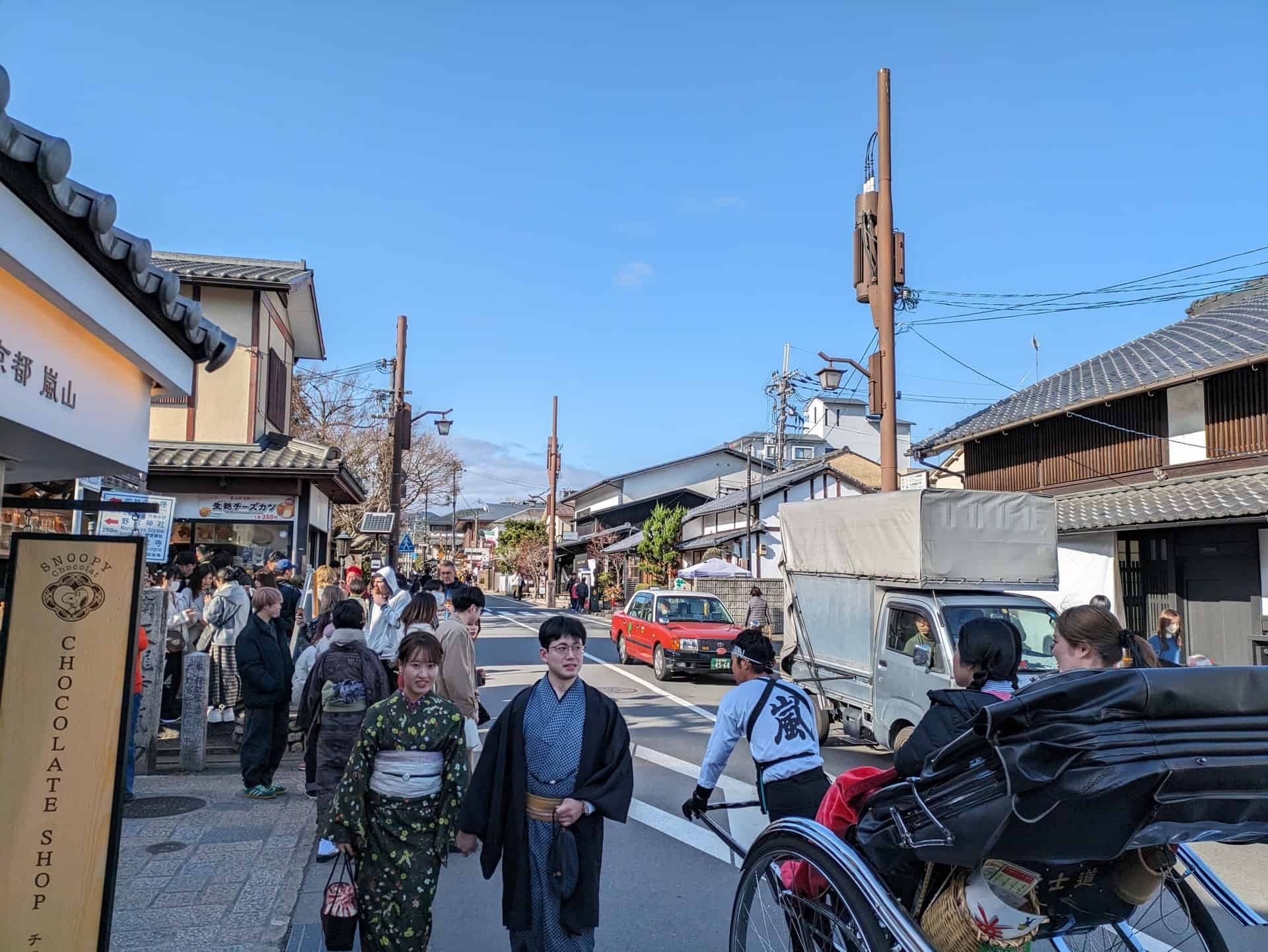
The bustling area nearby contains shops and traditional architecture. It serves as the gateway for your journey.
You arrive at Sagatenryujisusukinobabacho with the light still low — the 06:00–08:00 window is the one the grove rewards — and the rickshaw stands are already lined up near the Tenryū-ji north gate, lacquered black, shafts resting on the ground.
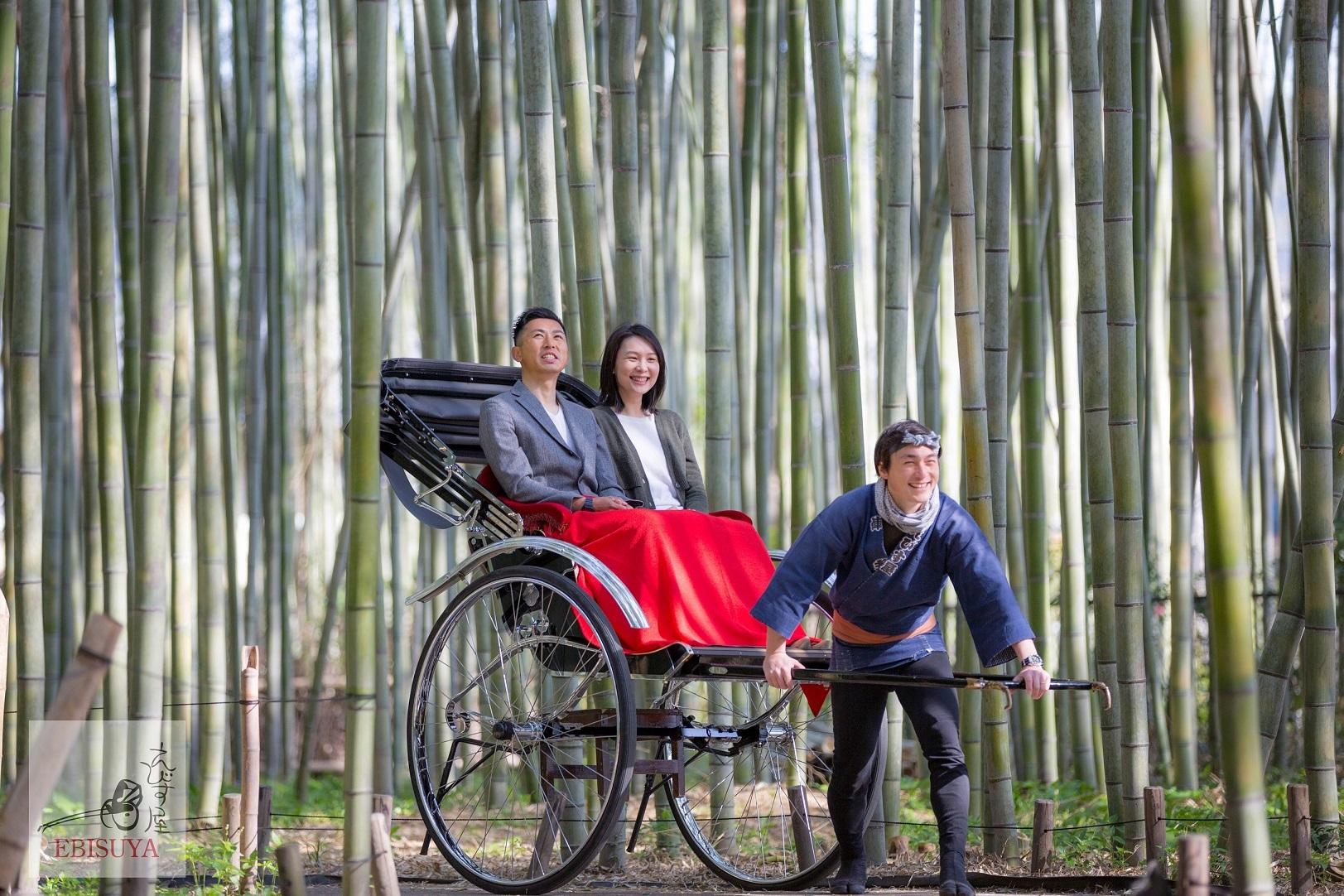
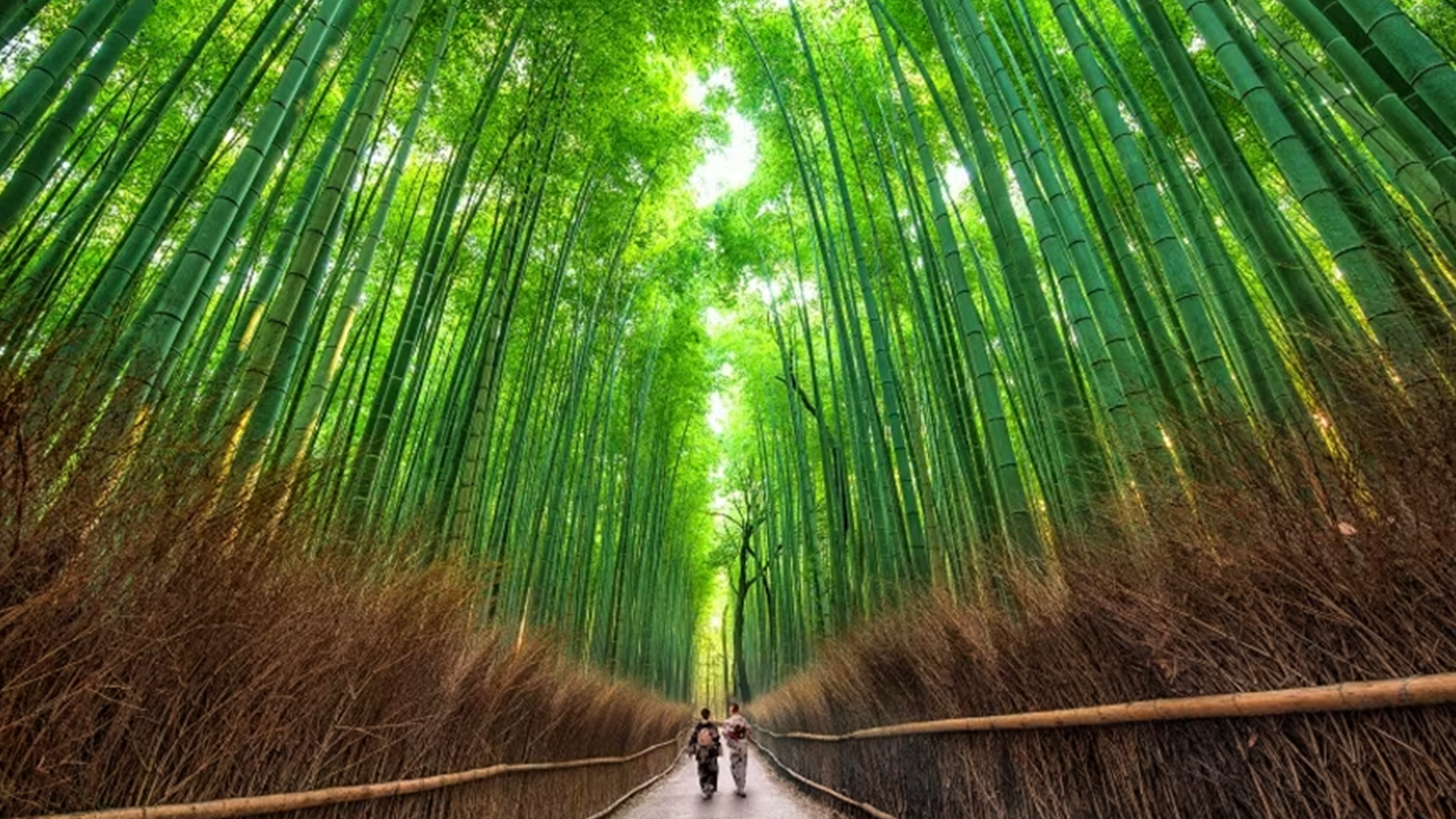
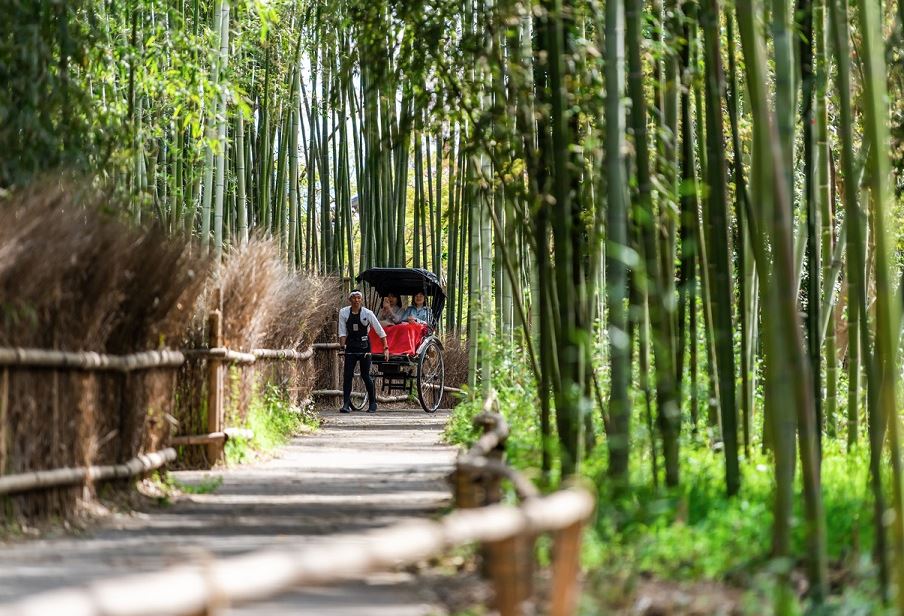
You step up backwards onto the footplate, sit, and feel the cart tip level as the puller lifts. A blanket goes across your knees. Then the pace: quick, even, faster than you expect. The lane narrows. Culms rise on both sides and the noise of the street drops away in about twenty seconds. Your puller stops three or four times, angles the cart so the path runs straight behind you, and takes the photograph. A private Arashiyama Bamboo Grove Rickshaw Tour tour goes further in than the walking route allows, past the bamboo fence line toward the quieter western lanes below Ōkōchi Sansō.
You climb down at Togetsukyō Bridge, or at Nonomiya Shrine, or back where you started. From there the day forks: a temple walk that adds the Monkey Park or a sake brewery, a small-group route toward the Katsura riverbank, or a full-day coach itinerary that carries you on to shrines across the city.
All the details about your upcoming adventure in one place
The rickshaw is younger than the steam locomotive. Japan's jinrikisha appeared around 1869, a two-wheeled cart drawn at walking pace, and within a century it had all but disappeared from working streets. In Sagano it came back as something else.
Arashiyama Bamboo Grove Rickshaw Tour tours now trace the lanes of western Kyoto beneath moso bamboo, and their pullers, known as shafu, may enter a narrow stretch of path that ordinary vehicles cannot.
That access explains the format's persistence. The grove is public ground, unfenced and unticketed — entrance is 0 JPY, free entry, and the paths at Sagatenryujisusukinobabacho, Ukyo-ku, Kyoto City, remain open every day from 00:00 to 23:59. Anyone may walk in. What the seat offers instead is elevation, a running commentary from the puller, and a moving frame: the culms slide past at roughly the speed of a brisk conversation. Kyoto rickshaw rides are, in that sense, less transport than viewfinder.
The bamboo is Phyllostachys edulis, the giant moso species introduced to Japan from China in the eighteenth century; individual culms can add more than a metre in a single summer day. The stand is managed, not wild — thinned, staked, and bound with woven fencing that is itself replaced in sections each year. It frames a compact cluster of Sagano landmarks: Tenryū-ji, founded in 1339 and inscribed on the UNESCO World Heritage list in 1994; Nonomiya Shrine, a fixture in the Heian-era imaginary of the Tale of Genji; the villa gardens of Ōkōchi Sansō above the western slope; and Togetsukyō Bridge across the Katsura, where the Hozu gorge opens out. In 1996 Japan's Environment Agency named the grove's rustle one of the country's 100 Soundscapes.
Demand has reshaped the district. Sagano now absorbs several million visitors a year, and Kyoto City has responded with one-way walking flows, multilingual signage, and restrictions on where wheeled traffic may pass. The rickshaw's licence to use the inner lane is a residue of an older arrangement, and it is what most Arashiyama Bamboo Grove Rickshaw Tour tickets are actually purchasing: a corridor, briefly, with fewer people in it. The Sagano bamboo path tour is therefore less a sightseeing loop than a negotiated piece of access — a two-wheeled cart, a licensed puller, and a strip of green that Kyoto has spent generations deciding how to share.

The rickshaw here is less transport than viewfinder: the culms slide past at the speed of a brisk conversation.
Wear comfortable walking shoes and light, breathable clothing suitable for summer temperatures in Kyoto. Consider wearing layers if your arashiyama bamboo grove rickshaw tour occurs in the cooler early morning hours.
Rickshaws have limited storage capacity, so please bring only small handbags or cross-body packs. Large suitcases are not permitted on any arashiyama bamboo grove rickshaw tour.
Photography is permitted throughout the area, though passengers must remain seated for safety while the rickshaw is in motion. Respect the privacy of others when capturing your arashiyama bamboo grove rickshaw tour experience.
Children are welcome on an arashiyama bamboo grove rickshaw tour, provided they can sit safely on the seat. Infants must be held by a parent or guardian throughout the journey.
The rickshaw operators provide assistance for boarding and alighting. While the path has some inclines, the arashiyama bamboo grove rickshaw tour is designed to be accessible for many visitors with limited mobility.
Consumption of food and drinks is prohibited inside the rickshaw. Please dispose of any trash in designated bins to help maintain the cleanliness of the Kyoto landmark.
Opening Hours
00:00–23:59
Address
Sagatenryujisusukinobabacho, Ukyo-ku, Kyoto City, Kyoto, 616-8385, Japan
Entry Fee
0 JPY (Free entry)
Best Arrival
06:00–08:00
Storage
Not available on rickshaws
Navigation
Follow Arashiyama main path signage
Public transport · 15 min · Low cost
Take the JR Sagano Line to Saga-Arashiyama Station. From there it is a 10-minute walk to the entrance.
Taxi · 20 min · High cost
Request a drop-off at the Arashiyama bamboo forest entrance near Tenryu-ji Temple.
Tours booked for an arashiyama bamboo grove rickshaw tour must be canceled at least 24 hours prior to the scheduled time for a full refund. Cancellations made within the 24-hour window are subject to the full price of the ticket.
Recommended time
1-2 hours
An arashiyama bamboo grove rickshaw tour typically requires one to two hours to fully navigate the winding paths and surrounding Kyoto landmarks. While foot traffic intensifies by midday, these guided excursions utilize specialized routes that bypass the densest pedestrian congestion. Booking arashiyama bamboo grove rickshaw tour tours allows you to experience the soaring stalks efficiently, though you should secure arashiyama bamboo grove rickshaw tour tickets in advance to ensure availability during peak periods. Those seeking a more comprehensive Kyoto bamboo forest tour may prefer longer packages that include nearby temple visits.
Crowd levels through the day
Weather · crowds · average price — dots go green to amber to red as each metric rises.
March to May features mild temperatures and cherry blossoms. Early morning is vital for a peaceful arashiyama bamboo grove rickshaw tour before school groups arrive.
June to August is hot and humid with lush green stalks. A Kyoto sightseeing tour during this time should start at 06:00 to avoid the midday sun.
September to November offers comfortable weather and foliage. Booking your arashiyama bamboo grove rickshaw tour tickets in advance is recommended due to peak leaf-peeping crowds.
December to February is crisp and quiet. It is the best time for a serene experience if you dress warmly for the open-air ride.
Start your arashiyama bamboo grove rickshaw tour at 06:00. This is the best arrival window to enjoy the forest before the main crowds arrive.
Secure your arashiyama bamboo grove rickshaw tour tickets online to guarantee availability. Many slots fill up quickly during peak seasons.
Rickshaw pullers are often skilled photographers. Ask them to take your photo at the most scenic spots during the arashiyama bamboo grove rickshaw tour.
Summers in Kyoto are intense. Wear breathable fabrics during your arashiyama bamboo grove rickshaw tour to stay comfortable.
Discuss your preferred route with the puller. Many operators can include additional temples or shrines in the longer arashiyama bamboo grove rickshaw tour tours.
Sagatenryujisusukinobabacho, Ukyo-ku
Look for the rickshaw queue signs
Get directionsArashiyama entered written history as an aristocratic retreat. In 794 the court moved to Heian-kyo, and nobles soon sought the Oi River's western banks for moon-viewing and poetry. Emperor Saga, who reigned from 809 to 823, built a detached palace at the foot of the hills. That villa became Daikaku-ji in 876. The cherry trees credited to Emperor Go-Saga, who ordered transplants from Yoshino around 1250, fixed the district's reputation as scenery worth governing. The grove itself grew from utility rather than design. Moso and madake bamboo supplied the capital with baskets, tea whisks, screens and scaffolding, and Kyoto's craftsmen harvested Sagano stands for centuries. In 1339 Ashikaga Takauji founded Tenryu-ji to placate the spirit of Emperor Go-Daigo; its Sogen Pond garden, laid out by Muso Soseki, borrowed the Arashiyama hills as shakkei, or captured scenery. Any visitor booking an arashiyama bamboo grove rickshaw tour passes through that inherited frame. The bamboo carried meaning beyond material: upright, hollow, bending without breaking, it stood in Zen and Shinto practice for resilience and purification, and sakaki-like bamboo fences still mark sacred ground at nearby Nonomiya Shrine. Preservation followed near-loss. Meiji-era land reform and the 1877 arrival of rail service pushed development toward Sagano, and the working groves shrank. In 1956 the government designated the Arashiyama district a Place of Scenic Beauty, and in 1994 the wider Kyoto monuments, Tenryu-ji included, joined the UNESCO World Heritage list. The Ministry of the Environment added the grove's creaking canopy to its 1996 list of 100 Soundscapes of Japan. Jinrikisha, invented in Tokyo around 1869, returned to Sagano as a tourism revival in the 1990s, and rickshaw tours through the bamboo path have run since. Free public access, protected since designation, is what survives; an arashiyama bamboo grove rickshaw tour tour simply follows the older lanes, and modern arashiyama bamboo grove rickshaw tour tickets buy the guide, not the grove. Kyoto landmarks rarely keep their meaning this intact, yet Sagano rickshaw tours still trade on it.
The imperial court relocates to Heian-kyo, and nobles begin using the Oi River banks at Arashiyama for seasonal excursions.
Emperor Saga reigns and establishes a detached palace in Sagano, the site later converted into Daikaku-ji temple in 876.
Emperor Go-Saga is credited with transplanting Yoshino cherry trees to the Arashiyama slopes, cementing the district's scenic status.
Ashikaga Takauji founds Tenryu-ji, whose Muso Soseki garden borrows the Arashiyama hills as shakkei, or captured scenery.
The jinrikisha is invented in Tokyo, the vehicle that would later carry visitors along the Sagano lanes.
Rail service reaches the Sagano area, accelerating development pressure on the working bamboo groves.
The Japanese government designates the Arashiyama district a national Place of Scenic Beauty, restricting further development.
Kyoto's historic monuments, including Tenryu-ji, are inscribed on the UNESCO World Heritage list.
Stand in the middle of the paved trail to capture the perspective of stalks towering on both sides. This is the classic vantage point for an arashiyama bamboo grove rickshaw tour where drivers often pause for photos.
Position your camera near the torii gate where the forest trail begins to include the contrast of weathered wood against green stalks. This Kyoto landmarks spot offers a refined composition.
Focus on the slight bend in the path to frame the movement of transport vehicles as they navigate the canopy-covered route. These arashiyama bamboo grove rickshaw tour tours require careful timing to avoid other pedestrians.
Capture the scene looking back toward the river and mountain backdrop to provide context for the local excursion. This angle is essential for those seeking arashiyama bamboo grove rickshaw tour tickets to document their travel route.
Exploring the Arashiyama bamboo grove rickshaw tour offers families a comfortable way to navigate the historic district without tiring out little legs. This traditional transport allows you to experience the famous forest and nearby landmarks from a unique perspective.
The paved paths in the grove are stroller-friendly, though opting for a carrier can be more convenient if you also plan to explore uneven temple grounds nearby.
Infants and small children may ride for free when seated on an adult's lap, while children aged 7 and older can typically occupy their own seat.
To ensure availability and skip potential wait times during busy periods, we recommend securing your arashiyama bamboo grove rickshaw tour tickets online in advance.
Since this Kyoto landmark tour covers a 30 to 70-minute duration, it is an efficient way to see the scenery while keeping energy levels high for other area activities.
Your guide can share local insights and help capture photos, providing a stress-free experience that avoids the physical demands of long-distance walking in the Arashiyama bamboo grove rickshaw tour tours.
While the area is accessible year-round, booking your arashiyama bamboo grove rickshaw tour tour during the early morning hours provides the most tranquil atmosphere for families.
Dining options near the arashiyama bamboo grove rickshaw tour are concentrated along the main Sagano street, featuring traditional Kyoto cuisine perfect after your Kyoto rickshaw tour. Visitors often find that booking arashiyama bamboo grove rickshaw tour tours provides convenient drop-offs near these popular local establishments.
Specializes in refined tofu dishes served in a peaceful garden setting that offers a respite from the main thoroughfare. It is a popular choice for groups completing their arashiyama bamboo grove rickshaw tour tour before the afternoon rush.;Otsuka
Everything you need to know for your journey
The grove is open 00:00–23:59 daily, though your specific arashiyama bamboo grove rickshaw tour will follow the operator's scheduled booking time. Always aim for the early arrival window to avoid crowds.
You can book through our online platform to secure your arashiyama bamboo grove rickshaw tour tickets in advance.
Due to limited space, only small bags are allowed on the rickshaw during your arashiyama bamboo grove rickshaw tour.
Yes, children are welcome on any arashiyama bamboo grove rickshaw tour, provided they can sit safely on the seat.
Cancellations for an arashiyama bamboo grove rickshaw tour must be made at least 24 hours in advance for a full refund.
Most rickshaw tours range from 30 to 60 minutes depending on the chosen route.
Entry to the bamboo grove path is 0 JPY (Free entry) for all visitors.
Yes, you are encouraged to take photos during your arashiyama bamboo grove rickshaw tour, keeping in mind the safety of yourself and the puller.
For the best experience, schedule your arrival between 06:00–08:00 to ensure a peaceful ride.
A major Zen temple featuring extensive gardens and a pond. It is a UNESCO World Heritage site located right next to the forest.
A historic shrine known for its black torii gates and connection to ancient literature. It sits directly along the bamboo pathway.
A hillside park offering views of the Hozugawa River. It provides a quieter alternative for walking after your rickshaw ride.
Area featuring various traditional ryokans and modern hotels near the river.
Primary district for high-end hospitality options within the city.
Join thousands of happy travelers who have discovered this incredible experience
Book Your Experience Now